11 hr
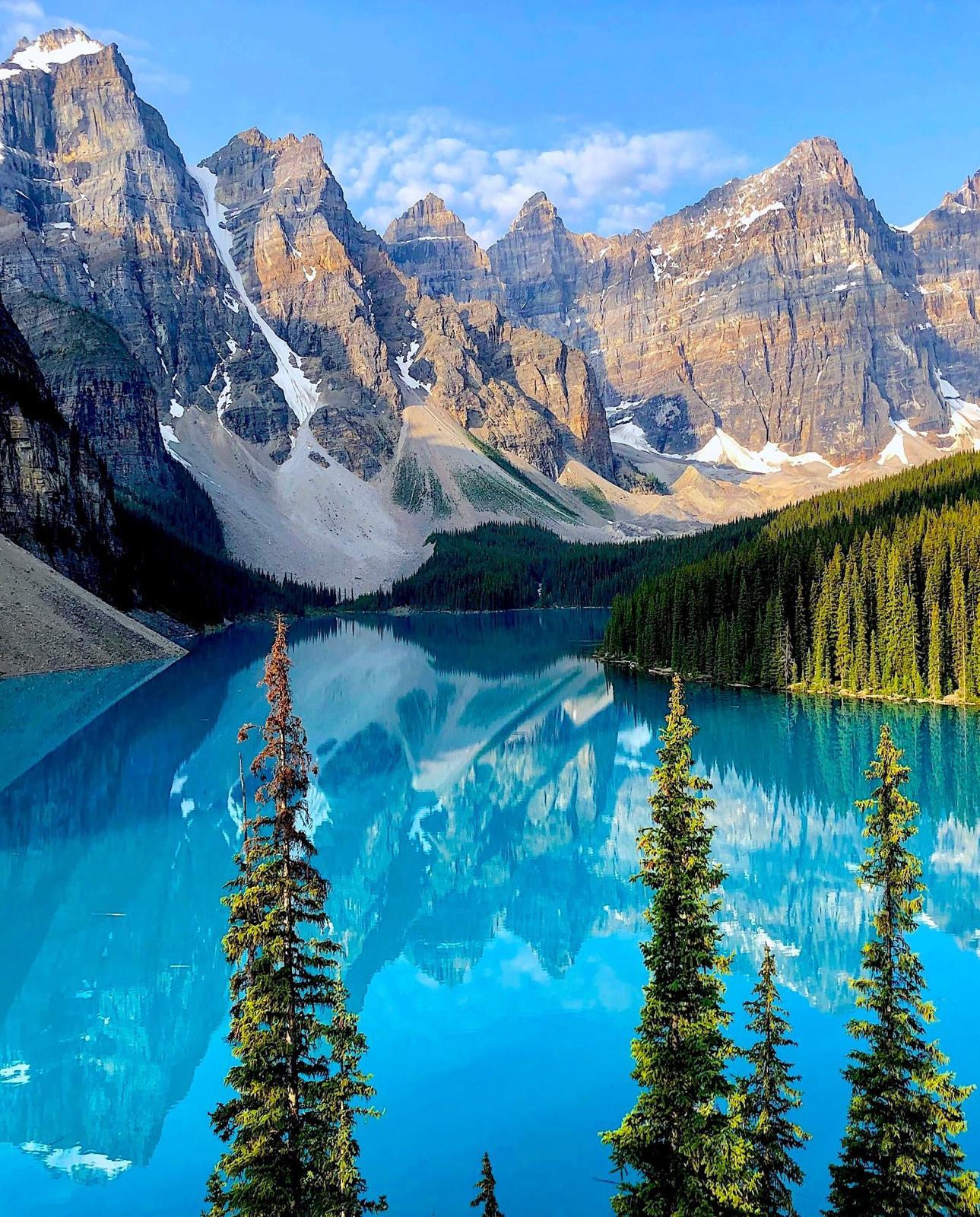
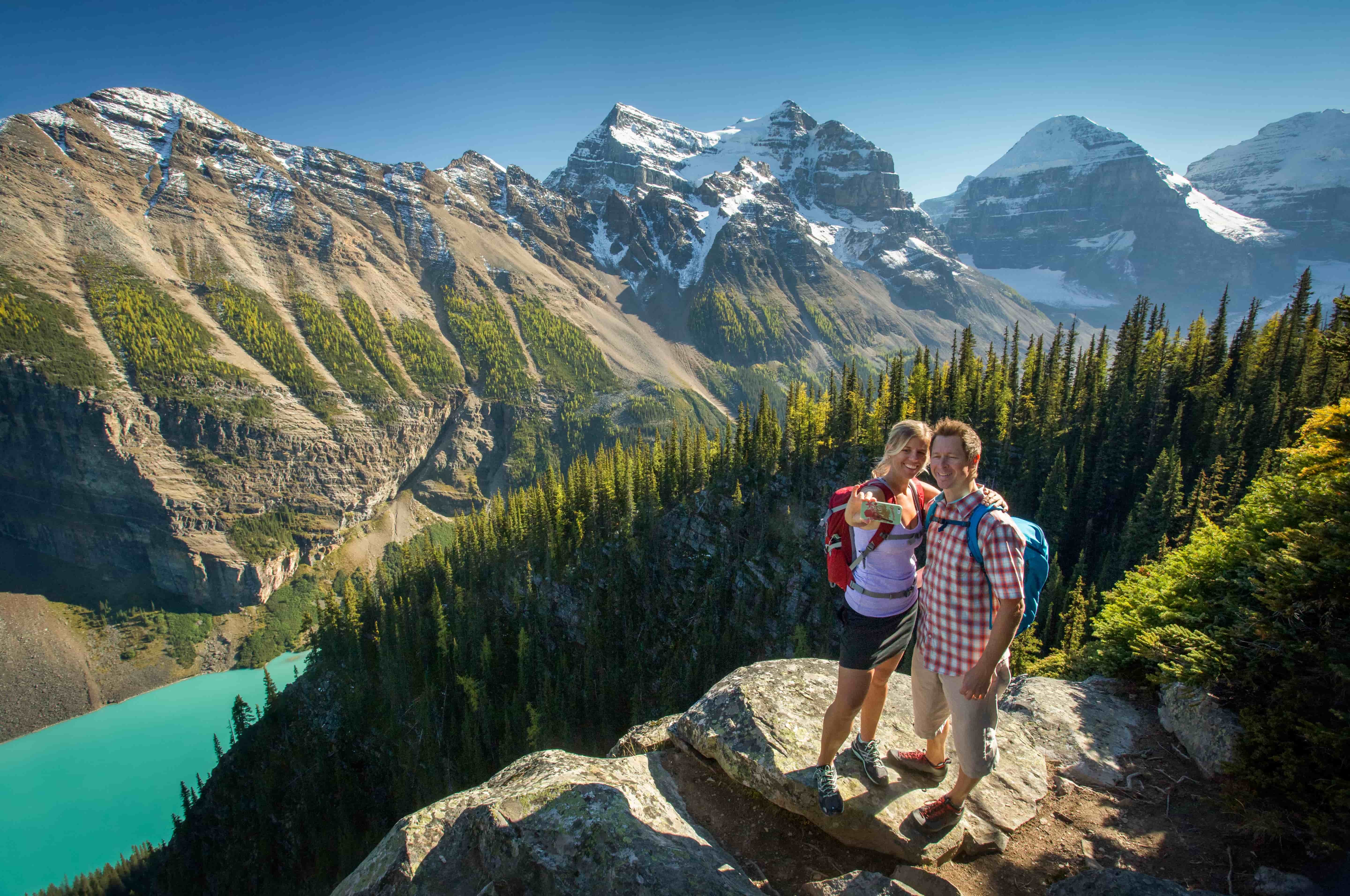
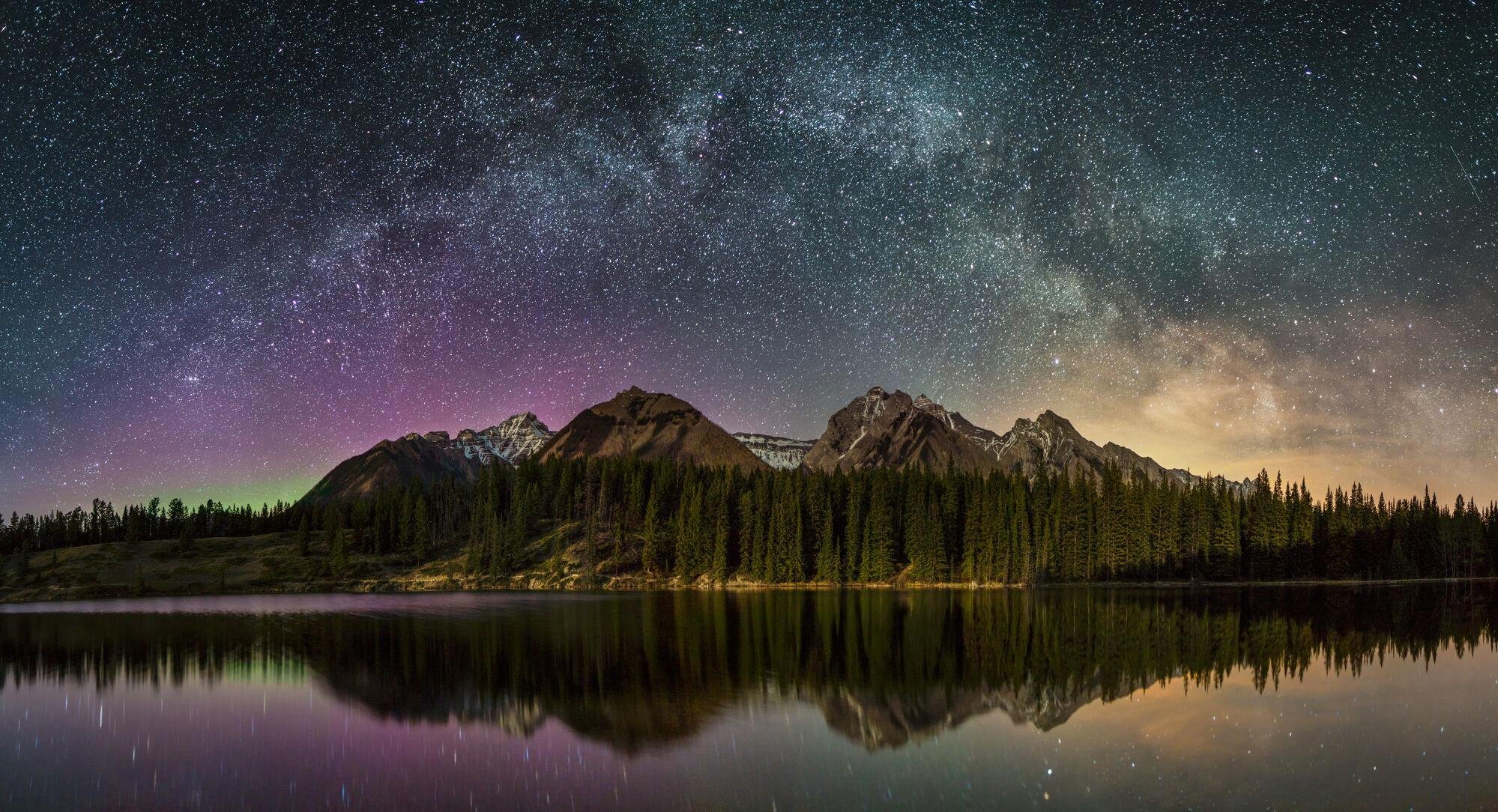
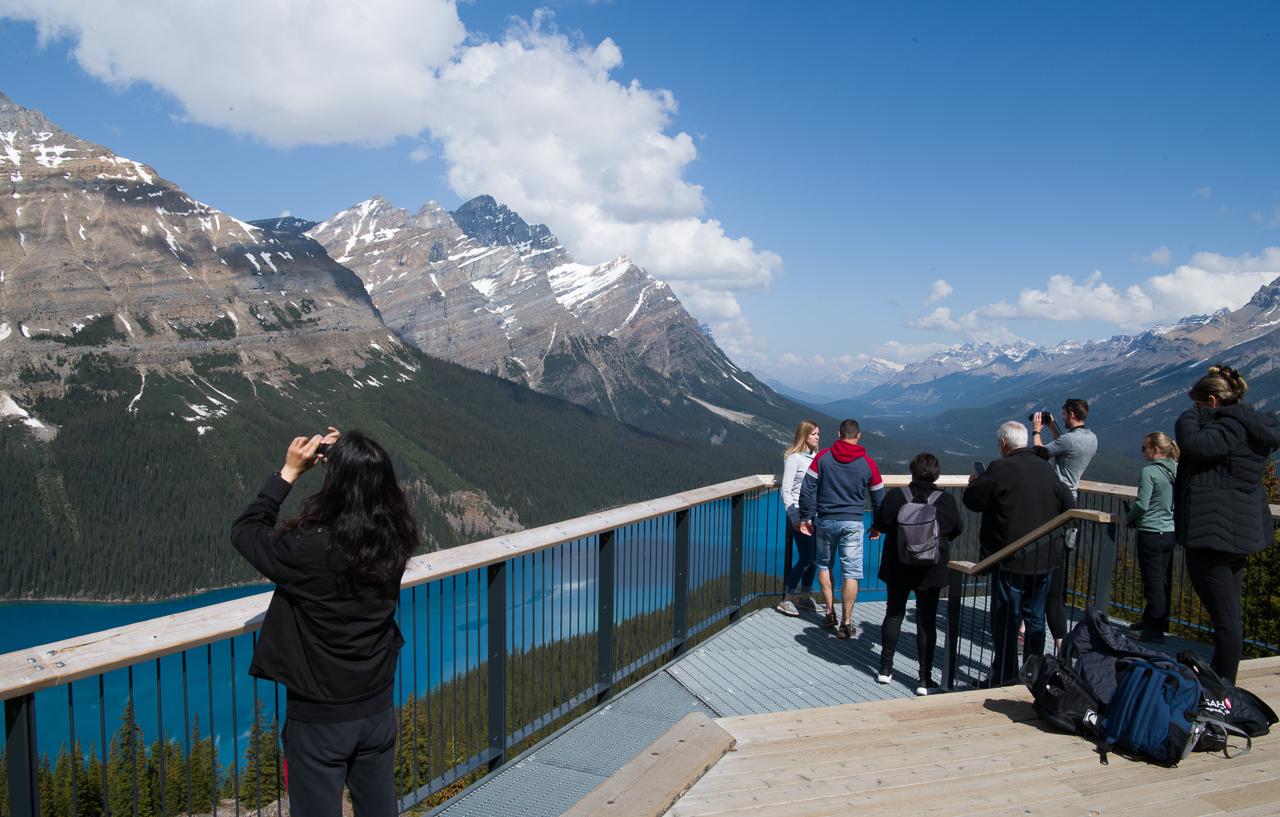
Banff's Four Iconic Lakes & Johnston Canyon Day Tour
- Expert local guide
- Small group
- Skip-the-line access
- Free cancellation
Aydarkul Lake Yurt Camp — Nomadic Nights Under the Kyzylkum Sky
Sleep in a felt yurt where the desert meets the lake, surrounded by silence and stars
Compare fares, pick the fit — all bookings are mobile-voucher and eligible for free cancellation where shown.
11 hr
3 hr
| Experience | Duration | Rating | Pickup | Skip-the-line | Guide | Small group | Price | |
|---|---|---|---|---|---|---|---|---|
|
Guided Experience
Most popular
Banff's Four Iconic Lakes & Johnston Canyon Day Tour
|
11 hr | ★ 4.8 | ✓ | ✓ | ✓ | ✓ | €55 | Book → |
|
Standard Entry
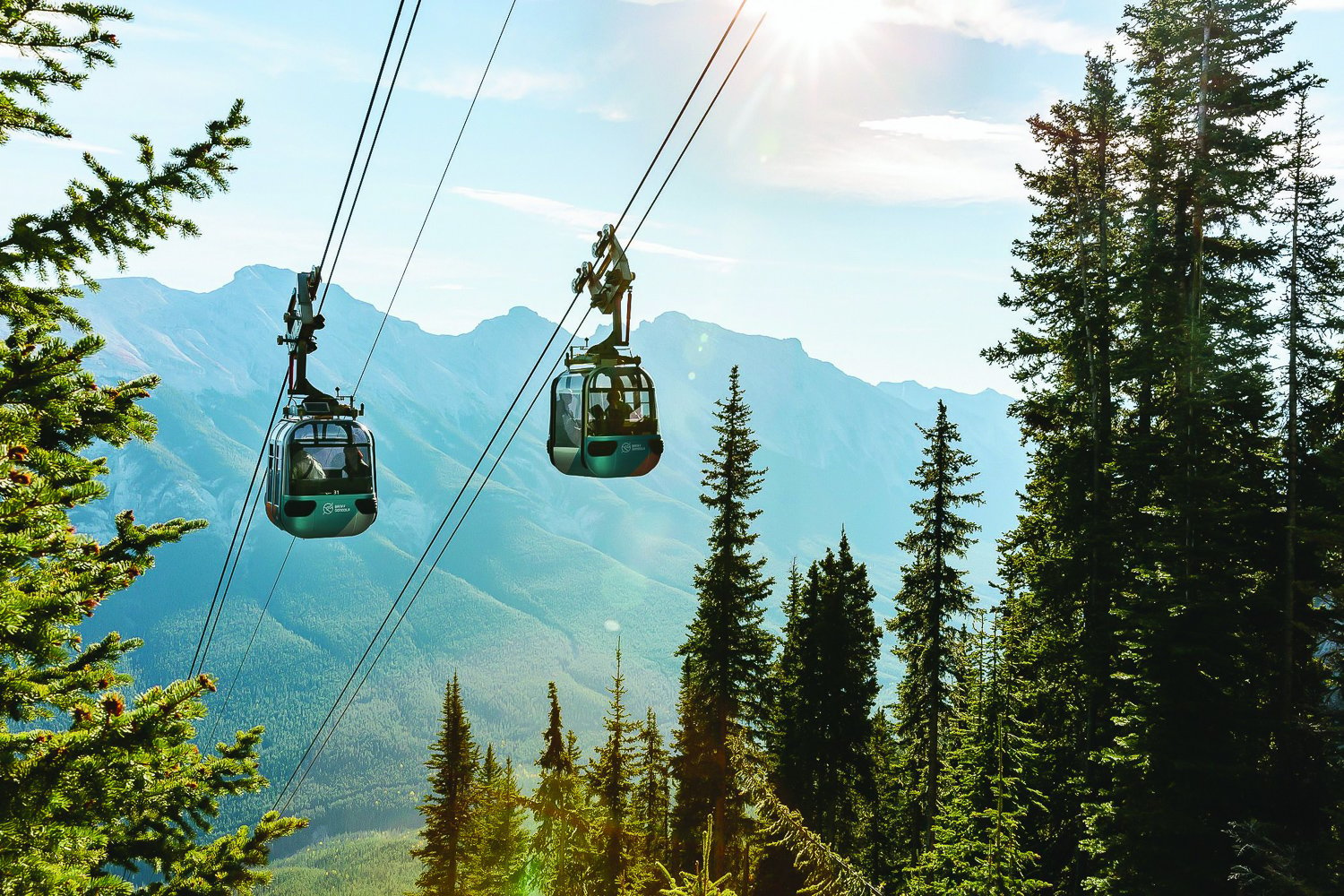
Sulphur Mountain Gondola Experience
|
3 hr | ★ 4.7 | — | — | — | — | €58 | Book → |
|
Standard Entry
Moraine Lake Shuttle with Lake Louise Parking
|
Flexible duration with hourly return shuttles | ★ 4.5 | — | — | — | — | €45 | Book → |
They complement each other; most visitors who do both call the nomadic desert stay the more thrilling adventure, while urban boutique hotels provide refined relaxation. Selecting the right base depends on whether you seek an aydarkul lake yurt camp tour or the polished convenience of Silk Road landmarks.
|
Top pick Aydarkul Yurt Camp |
Boutique Silk Road Hotels | |
|---|---|---|
| Accommodation Type | Traditional felt yurt | Restored heritage building |
| Proximity to Landmarks | Remote desert landscape | Central urban locations |
| Cultural Immersiveness | High nomadic focus | High architectural focus |
| Typical Comfort Level | Basic communal living | Modern private luxury |
| Activity Focus | Camel trekking and stars | Museums and architecture |
| See tickets & prices |
Verdict: Choose the aydarkul lake yurt camp if you prioritize raw nature, or opt for boutique city hotels if you prefer easy access to aydarkul lake yurt camp tickets and nearby monuments.
Hand-picked experiences loved by thousands of travelers
1 hour
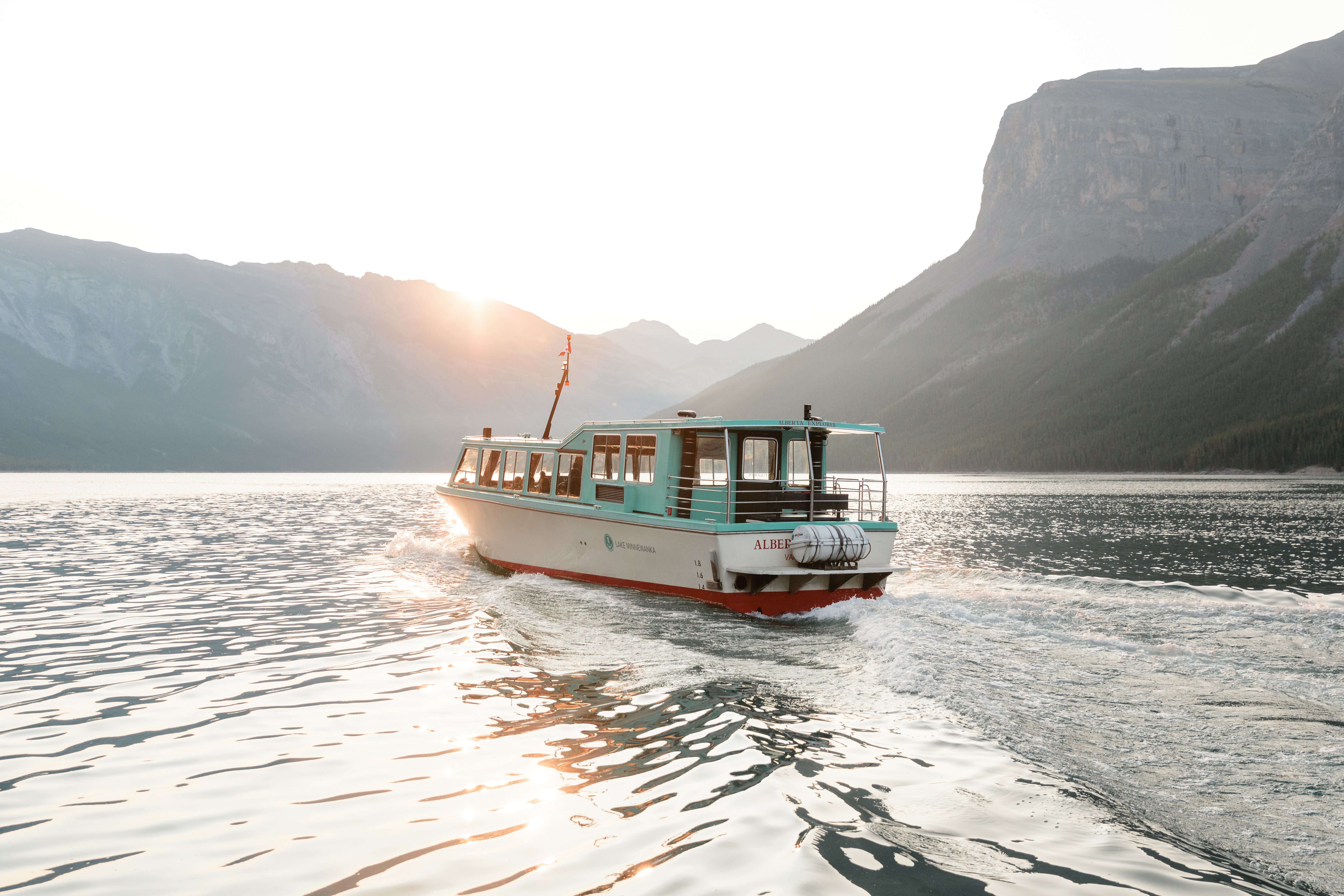
Hour-long voyage across Banff's largest alpine lake with wildlife spotting and Rocky Mountain panoramas
8 hours
Free Cancellation
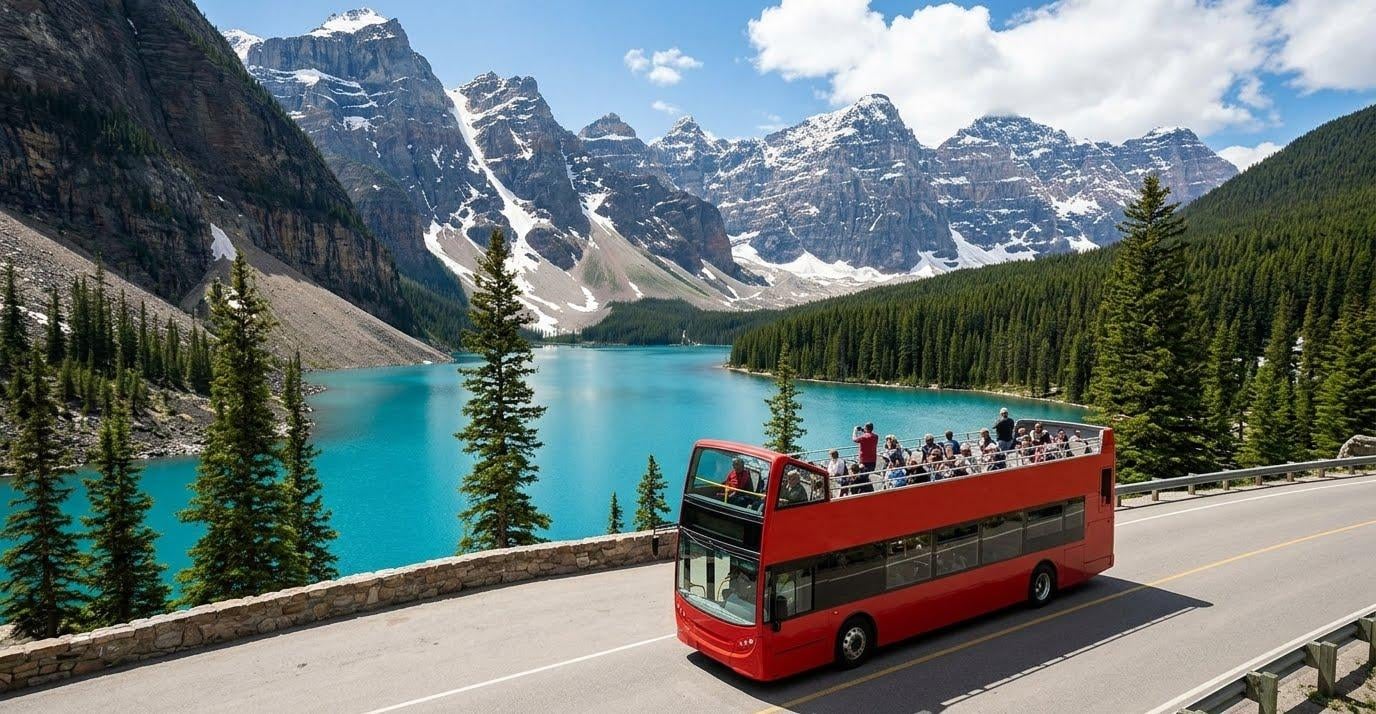
Explore Banff's iconic lakes and canyons at your own pace with unlimited boarding on yellow school buses.
5 - 8 hours
Free Cancellation
Beat the crowds at two iconic alpine lakes with early arrival, intimate group size, and four hours of free exploration time.
1 hour
Free Cancellation
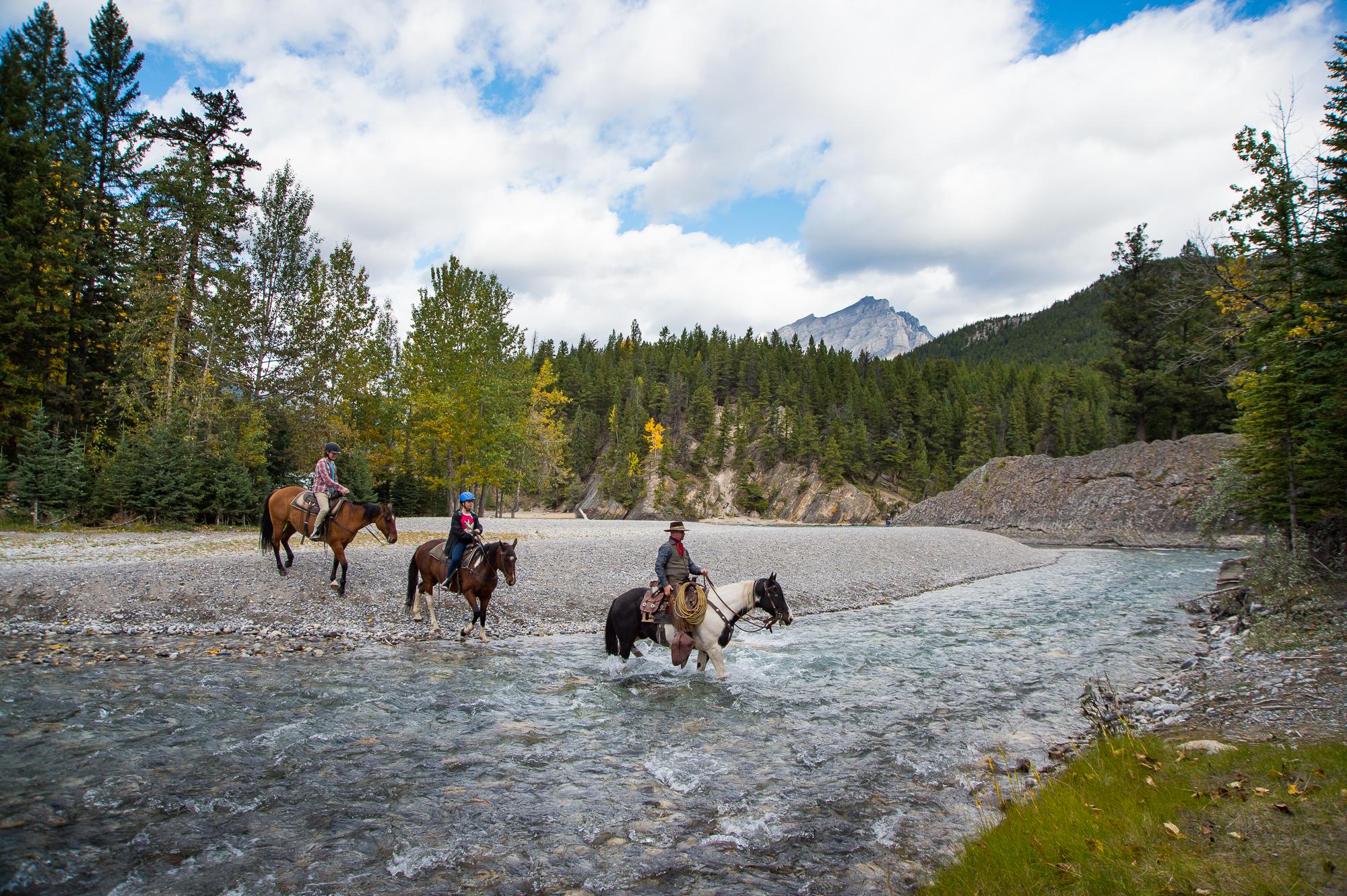
Ride through pine forests, splash across the Spray River, and take in views of Bow Falls on this guided trail.
1.5 hours
Free Cancellation
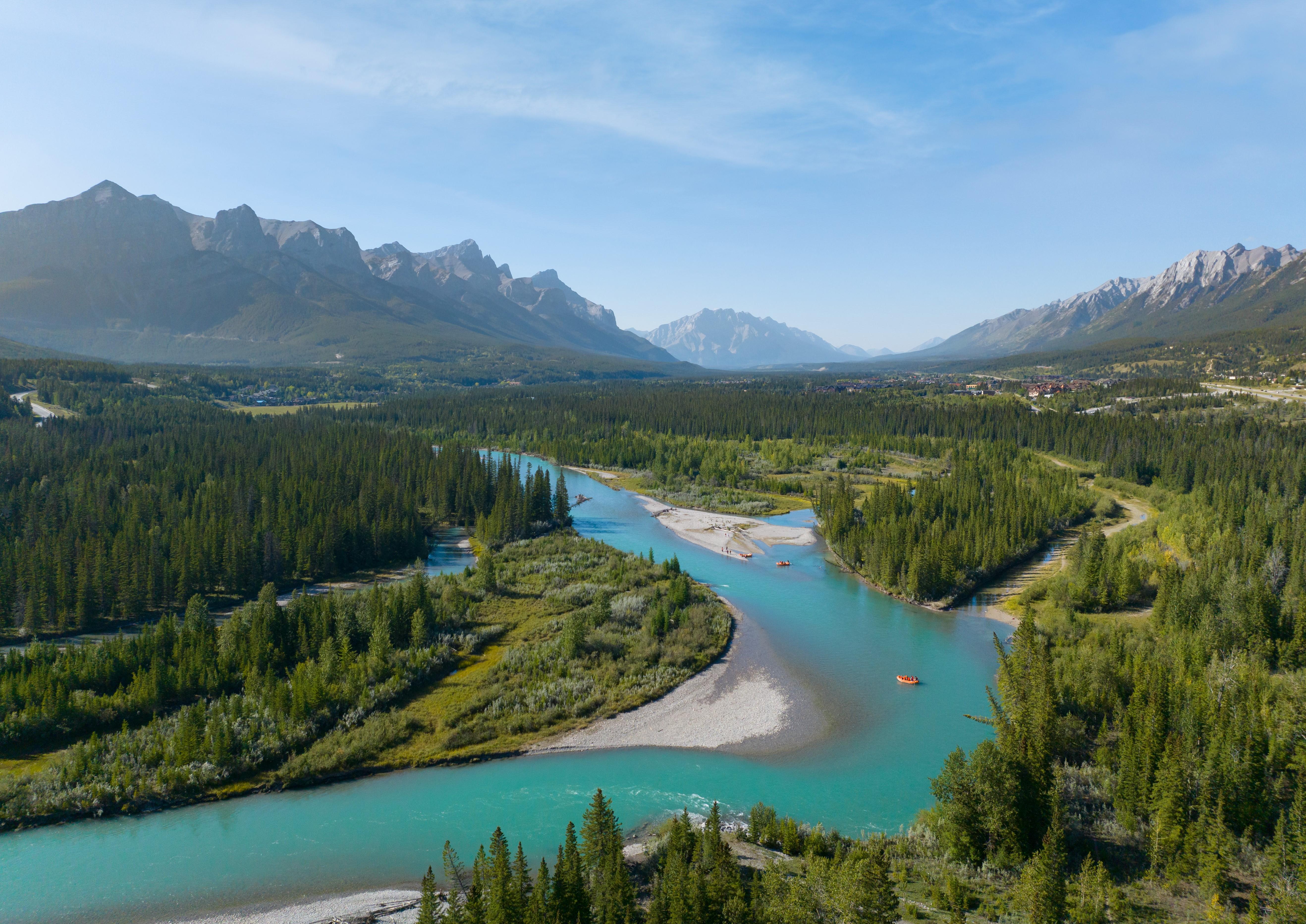
Drift through mountain wilderness with local guides who know every bend of the glacial Bow River
2 hours
Free Cancellation
Witness the mountain sunset fade into a star-filled sky on a guided nocturnal trail walk through Banff.
3.5 hours
Free Cancellation
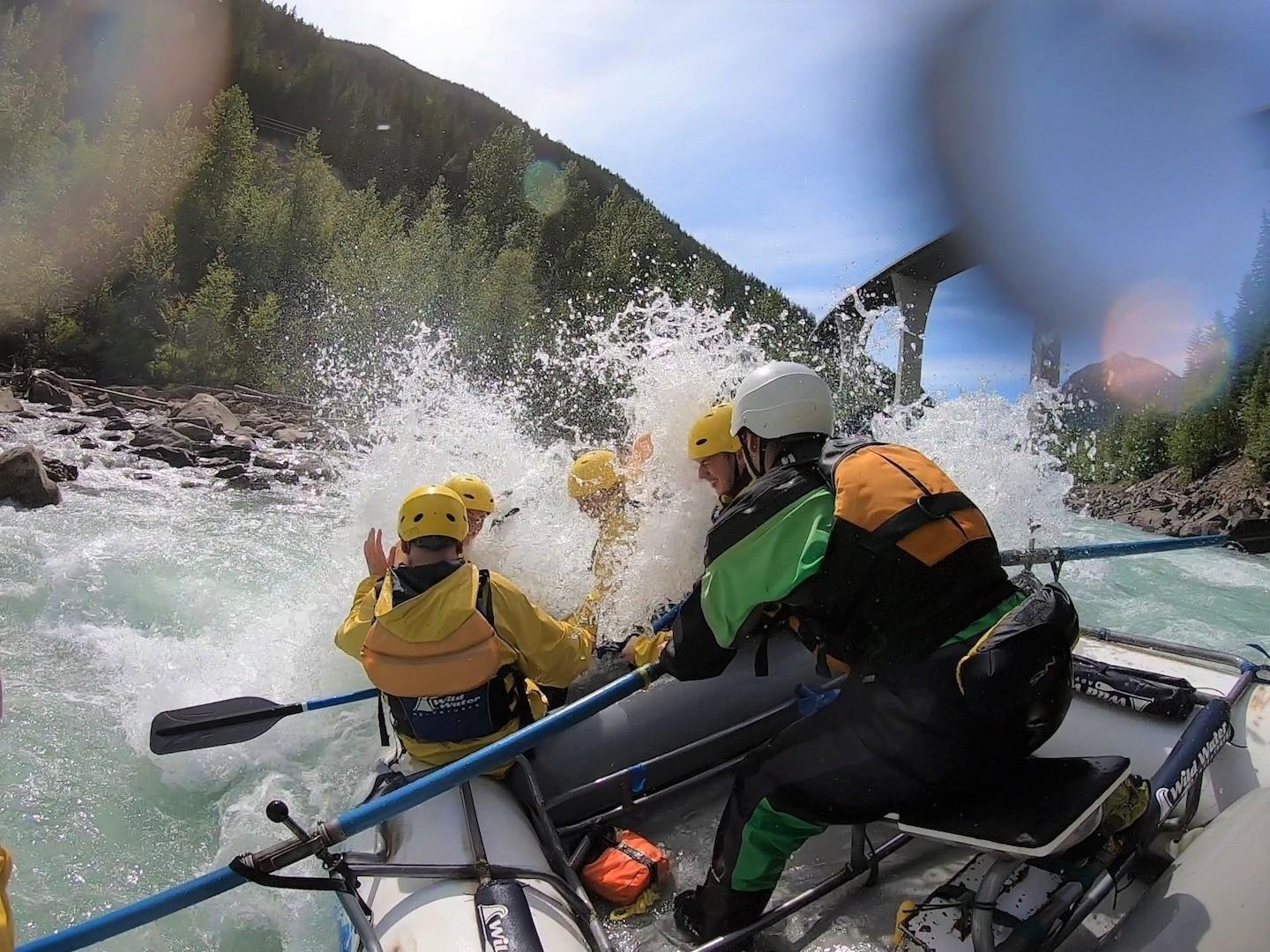
Navigate thrilling Class 2-4+ rapids through the Canadian Rockies on this guided half-day expedition
10 hours
Free Cancellation
Full-day private journey through turquoise glacial lakes, limestone canyons, and mountain passes
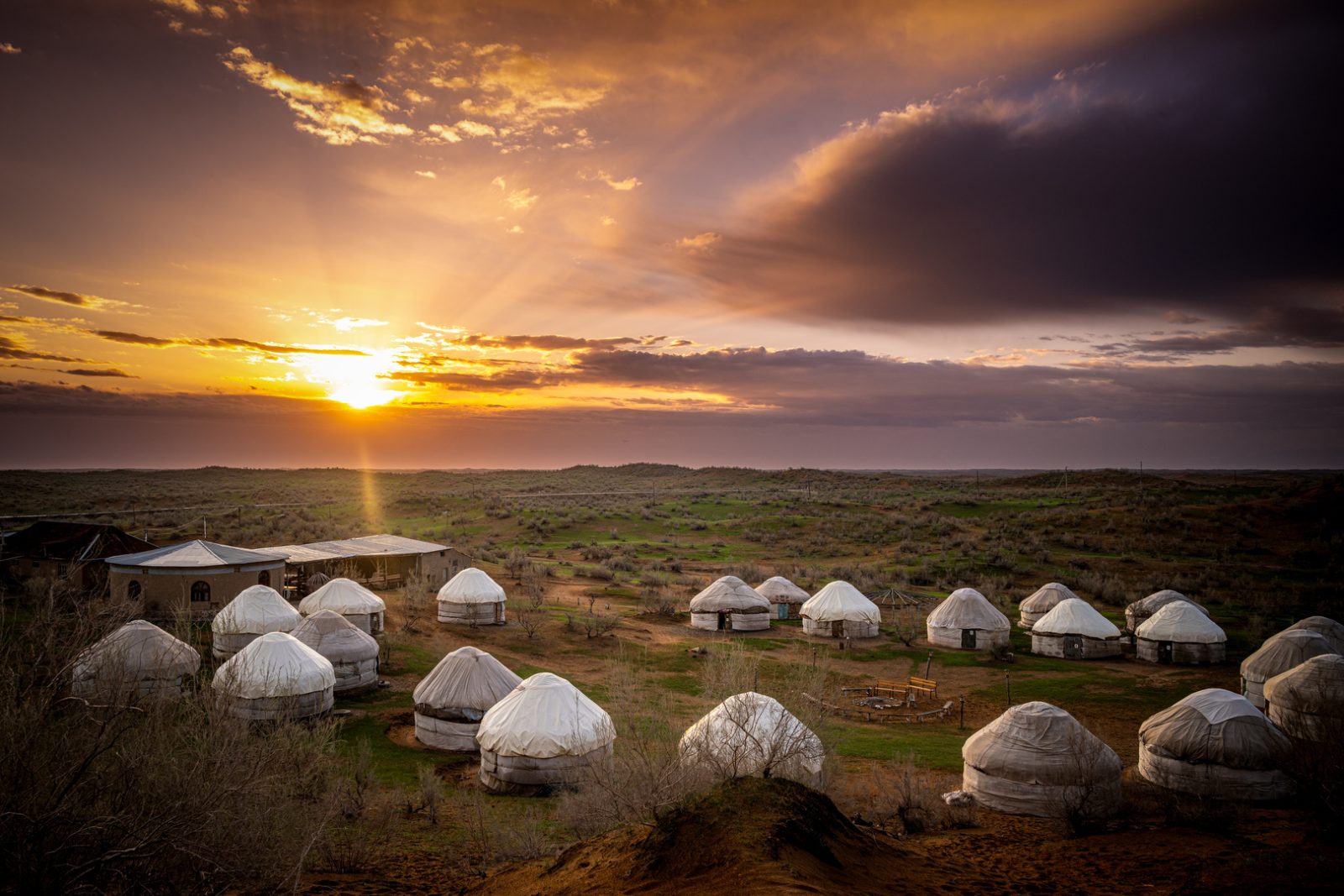
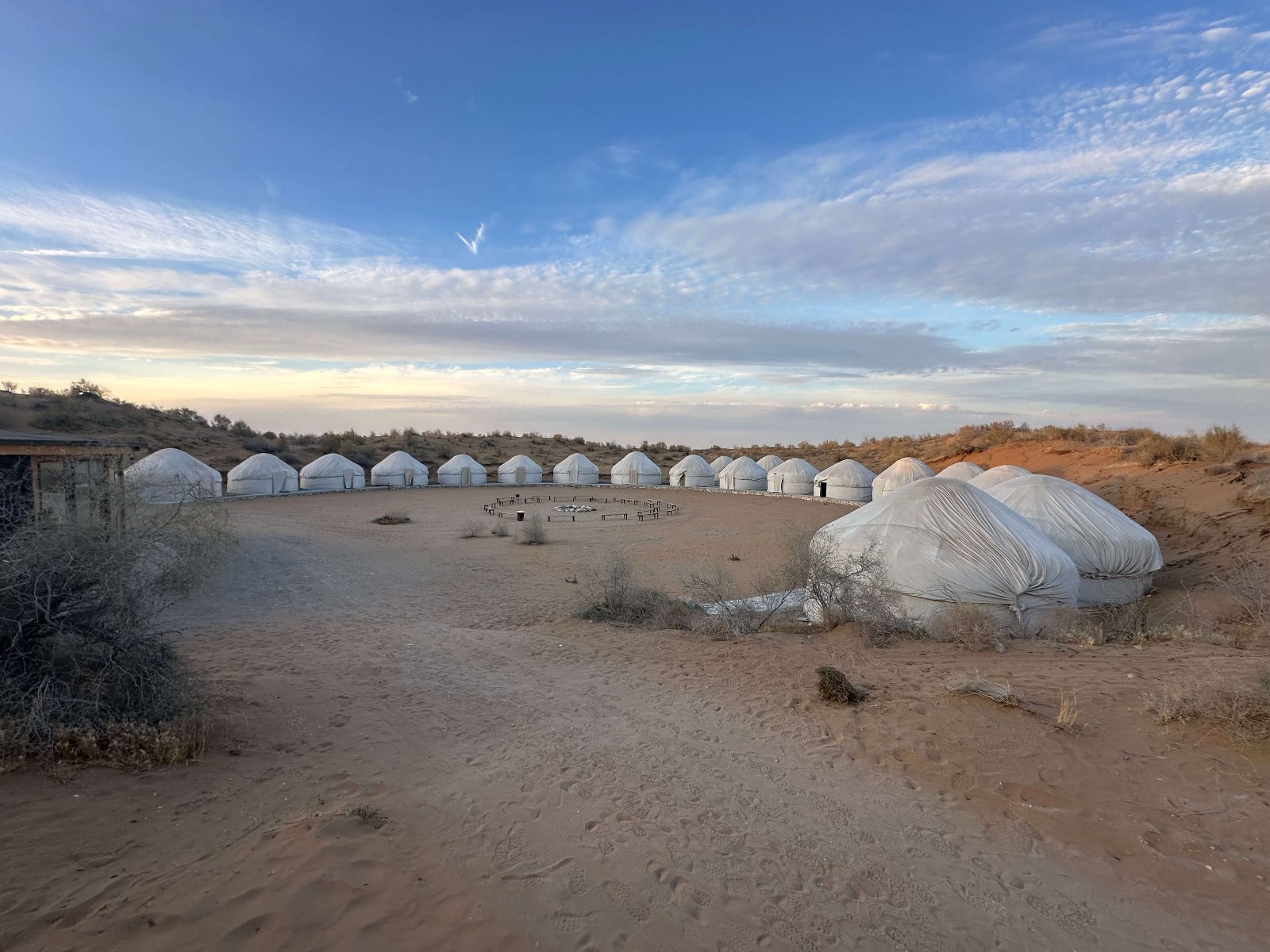
You arrive in the late afternoon, when the heat has softened and the dunes cast long shadows toward the water. Your driver parks beside a cluster of white yurts, and a camp host—often the matriarch of the family running the site—greets you with a bowl of kumis, fermented mare's milk served cold.
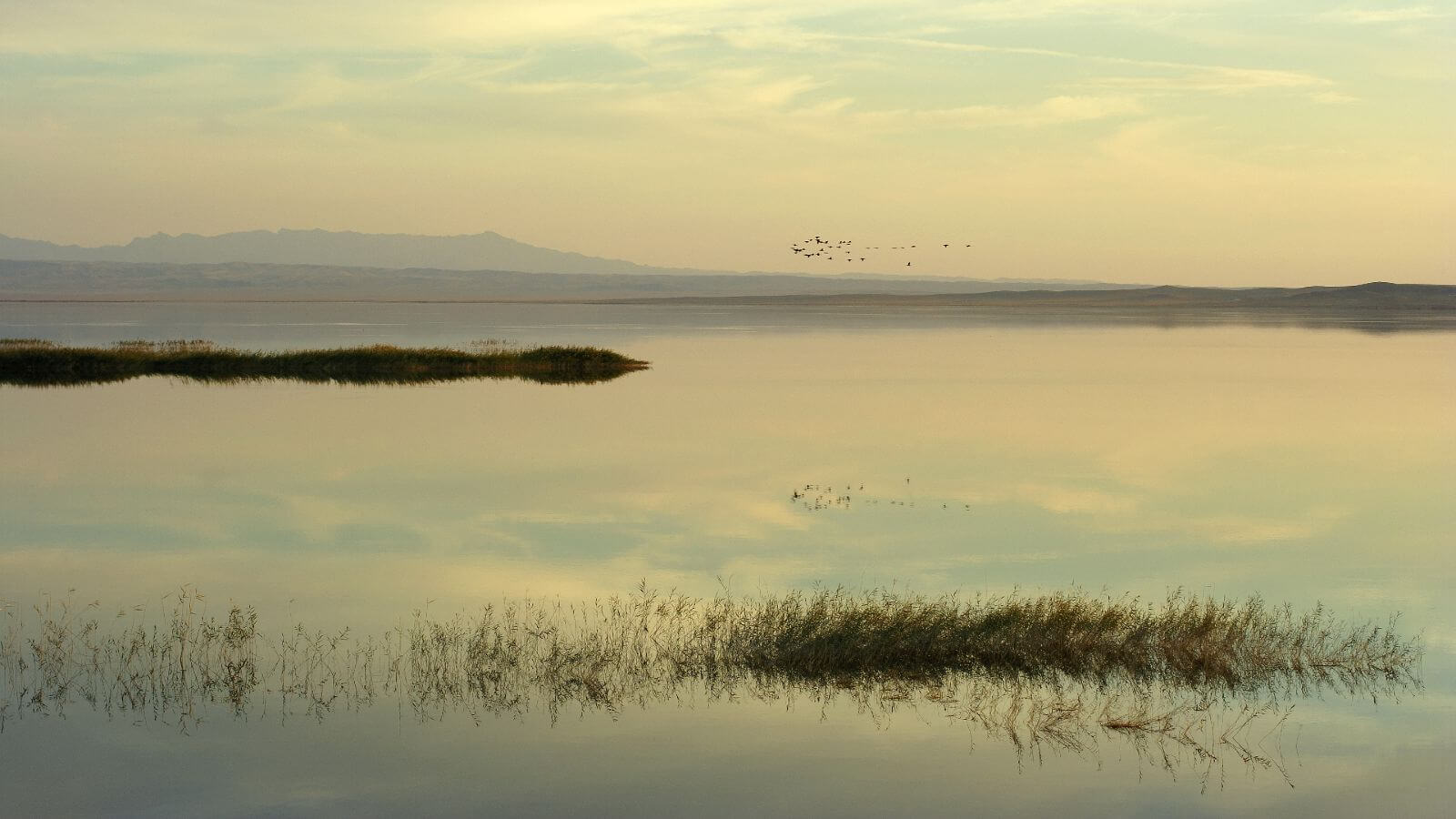
You duck through the low felt door of your assigned yurt, noting the wool rugs layered across the floor, the painted chest in the corner, the smell of smoke and lanolin. You drop your pack and walk toward the lake, where the shoreline dissolves into mud flats and reed thickets. Herons lift from the shallows. The water is too saline for swimming, but you wade in ankle-deep, feeling the silt between your toes.
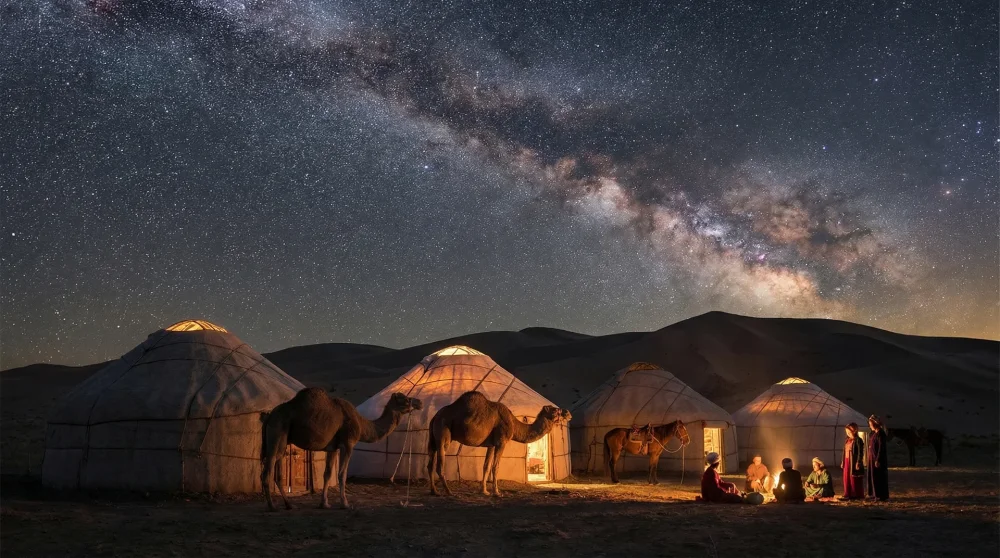
As the sun drops, you return to the camp for tea and flatbread baked in a clay oven sunk into the sand. Dinner is served communal-style: plov with mutton, pickled tomatoes, rounds of non bread still warm from the fire. After the meal, the camp's young men bring out horses and offer short rides into the dunes. You accept, and spend an hour moving at a walk through soft sand, the animal's gait steady, the horizon unbroken. Back at camp, a fire is built in a central pit. You sit on low stools, drinking more tea, watching the stars emerge in their thousands. The air cools quickly. You retreat to your yurt, pull the quilts high, and fall asleep to the sound of wind pressing against felt.
All the details about your upcoming adventure in one place
The aydarkul lake yurt camp offers an authentic nomadic stay on the edge of Uzbekistan's largest desert lake, formed in 1969 when floodwaters created a vast turquoise expanse amid the Kyzylkum sands. Guests sleep in traditional felt yurts, explore the shoreline on camelback, and experience Kazakh hospitality under star-filled skies. Aydarkul lake yurt camp tours include shared meals, desert walks, and sunrise views across the water.
The Kyzylkum Desert did not always hold a lake. Aydarkul formed in 1969 when Soviet engineers diverted the Syr Darya River, flooding a vast salt-pan depression and creating a body of water that now stretches 250 square kilometers across Navoiy Region.
The lake's name means "moon lake" in Uzbek, a reference to its crescent shape and the way moonlight catches on its shallow, brackish surface. Within a decade, nomadic herders had moved their livestock to the new shoreline, and by the 1990s, enterprising families began offering overnight stays in traditional felt yurts to the first overland travelers crossing Central Asia.
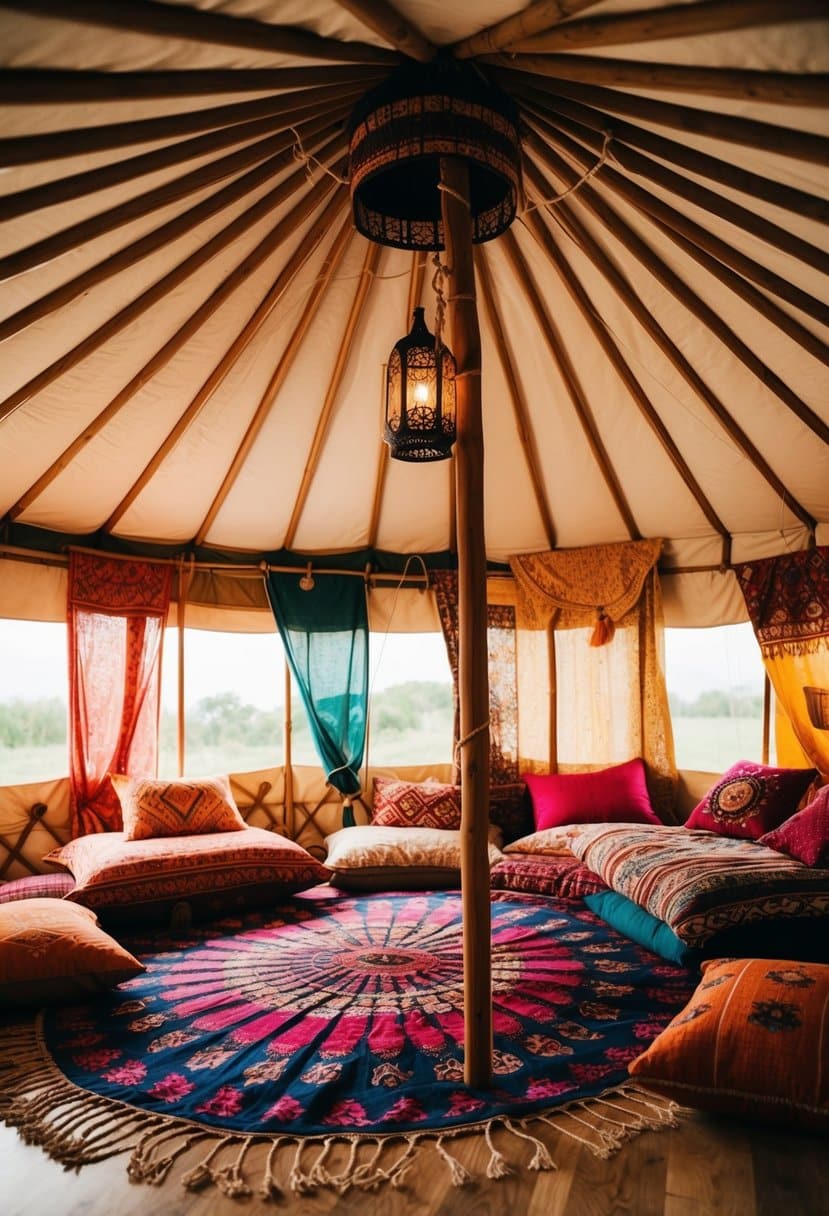
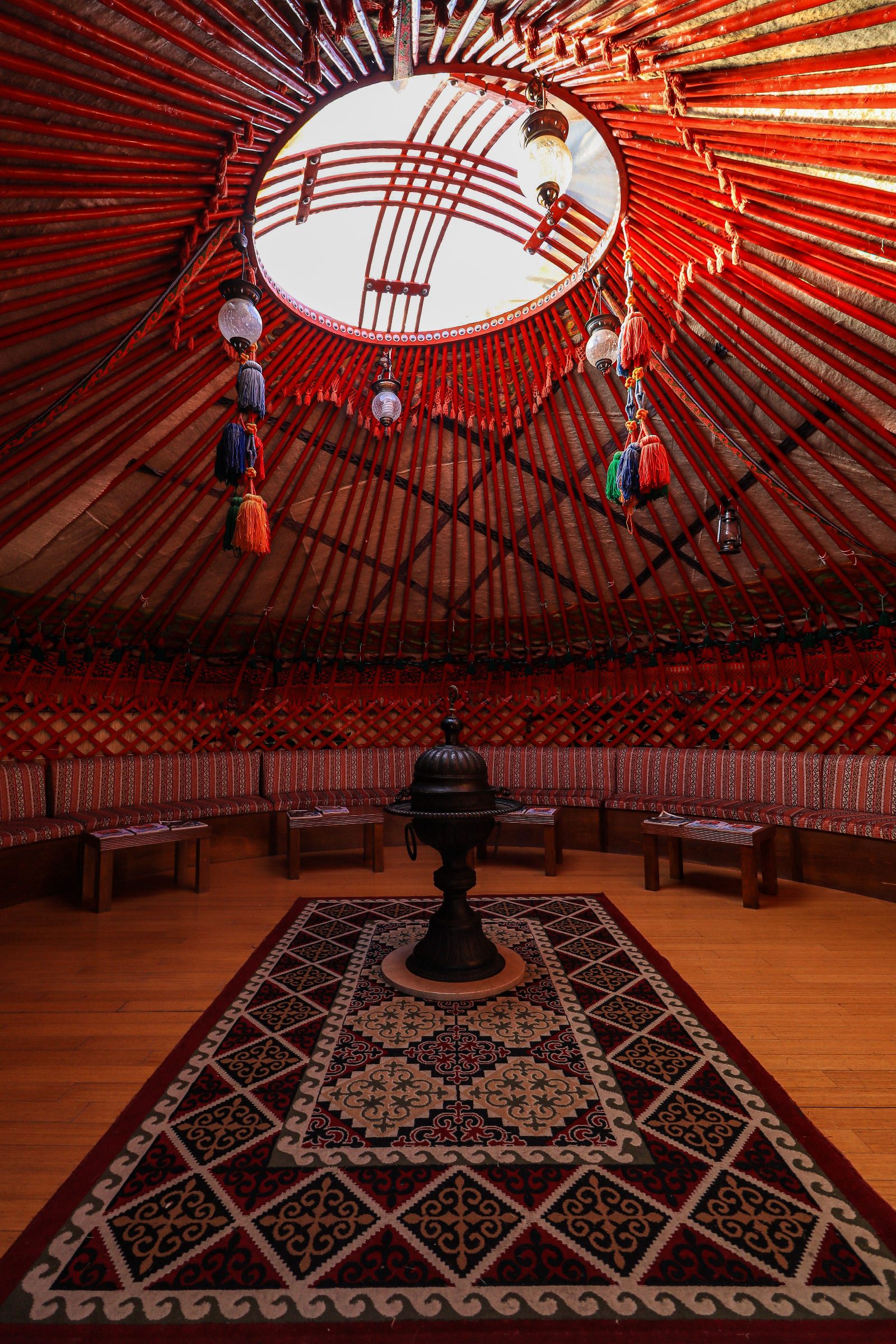
Today, the lake aydarkul yurt camp and resort experience centers on Dungalak Village, a scattering of round dwellings set between sand dunes and reed beds. The yurts themselves are built to Karakalpak and Kazakh specifications: lattice willow frames covered in layered sheep felt, with a circular roof opening that vents smoke and frames the night sky. Each camp typically houses between six and twelve yurts, with communal dining spaces set outdoors under canvas or within larger ceremonial yurts. What is yurt camping in this context differs from the glamping model found in Mongolia or Kyrgyzstan; here, the focus remains on subsistence rhythms—herding, breadmaking, horseback scouting—rather than curated luxury. Guests sleep on low wooden beds piled with quilts, use shared pit latrines, and wash with basin water heated over dung fires. The aesthetic is functional, the hospitality unstudied.
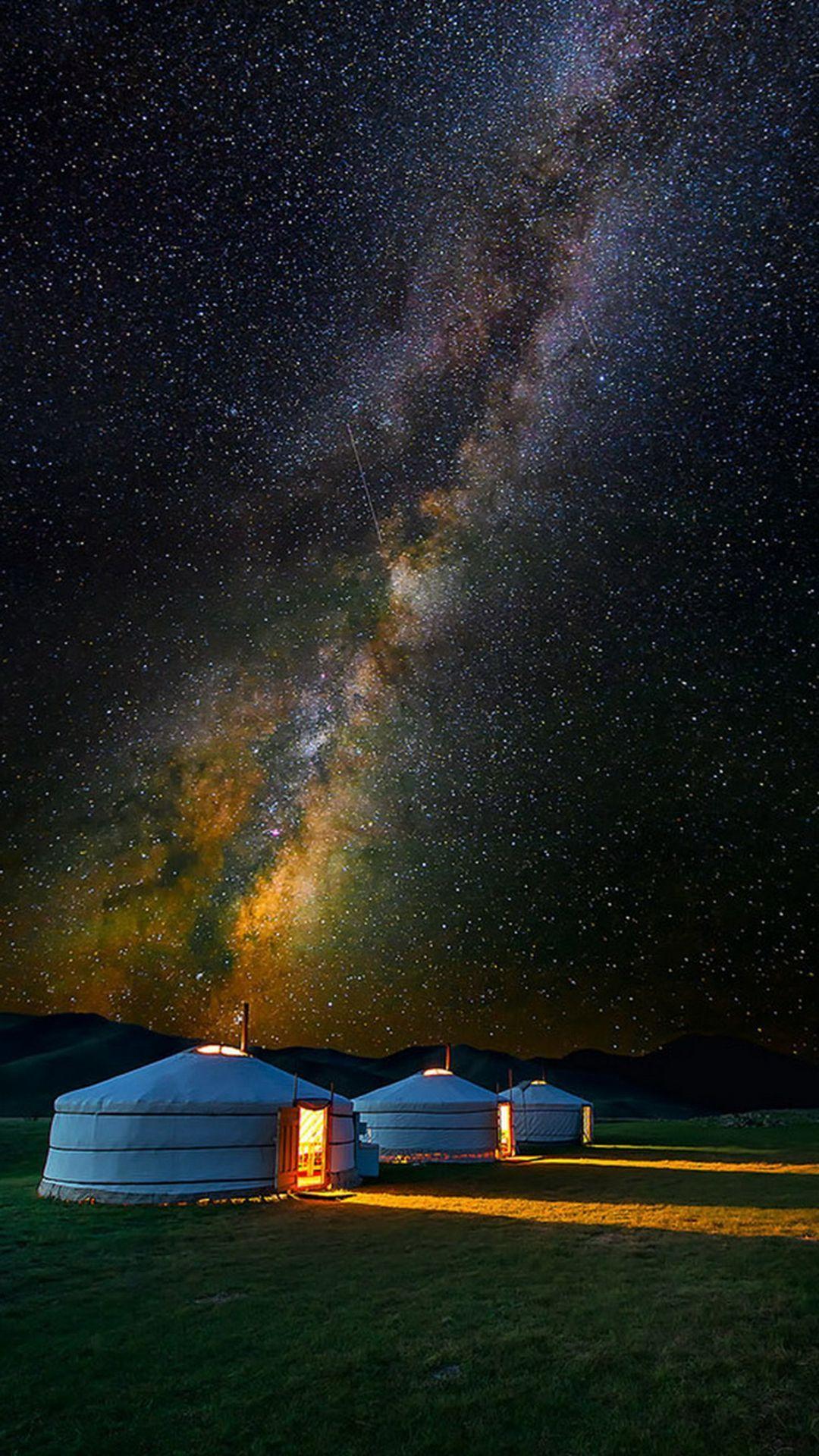
Aydarkul sits at the intersection of the Silk Road's northern spur and the modern M39 highway linking Bukhara to Tashkent. Its remoteness—three hours by dirt track from Navoiy city—has preserved a version of pastoral life that disappeared elsewhere in Uzbekistan during collectivization. The lake itself remains ecologically marginal: saline, shallow, prone to algal blooms in summer, yet home to migratory waterfowl and a small fishing industry. Visitors come not for the water but for the surrounding emptiness, the sense of geographic extremity, and the chance to participate, however briefly, in a nomadic routine that predates the lake by centuries. By 2026, the camps have begun coordinating with Tashkent-based tour operators, standardizing meal menus and adding camel-riding circuits, yet the core offering remains unchanged: a night in a felt dome, far from grid power, where the only light after sunset comes from kerosene lamps and the Milky Way. The question of whether you can camp at Pyramid Lake or similar desert margins elsewhere in Central Asia often leads travelers here, to one of the few places where traditional yurt infrastructure still operates at scale. The camps open year-round, though winter temperatures regularly fall below minus ten Celsius, and summer dust storms can close access roads for days.

The lake's name means 'moon lake' in Uzbek, a reference to its crescent shape and the way moonlight catches on its shallow, brackish surface.
Modest clothing is recommended in rural Uzbekistan villages. Bring layers, as desert temperatures drop significantly after sunset.
Secure your belongings inside the yurt. While camps are generally safe, keep valuables with you during desert excursions.
Photography is encouraged, especially during the sunset hour on the dunes. Some camps may request permission before photographing local hosts or private performances.
Families are welcome at most yurt camps. Younger children should be supervised around the camels and the shoreline of the lake.
Camps are situated in sand dunes; paths are typically unpaved. Assistive devices may be difficult to maneuver in soft desert terrain.
Traditional meals like plov are prepared on-site. Inform your camp host of any dietary requirements, such as vegetarian or halal, when booking your aydarkul lake yurt camp tour.
Best arrival window
11:00–18:00
Address
Dungalak Village, Kyzylkum Desert, Navoiy Region, Uzbekistan
Facilities
Standard yurt camps feature shared facilities; inquire about private en-suites.
Activity peak
Evening sunset and campfire stargazing are best for desert photography.
Storage
Camps provide secure space; bring soft-sided bags for desert transit.
Navigation
Confirm coordinates with your operator; local signage is limited.
Cancellation and prepayment policies vary by booking provider. Most operators offer full refunds if cancellation is made at least 24 hours in advance.
Recommended time
Overnight (24 hours)
A stay at the aydarkul lake yurt camp requires an overnight commitment to fully experience the transition from desert heat to evening campfire culture. We recommend arriving within the 11:00–18:00 window to enjoy sunset views before the stars emerge over the Kyzylkum Desert. While aydarkul lake yurt camp tours are often booked as packages, guests spending more time can engage in camel riding or walking along the shoreline. Please note that aydarkul lake yurt camp tickets are not applicable as entry is free, though overnight arrangements include all meals.
Crowd levels through the day
The Aydarkul Lake region owes its existence to a catastrophic Soviet-era engineering failure in 1969, when the Chardarya Reservoir breached its dam during spring floods. Meltwater from the Tian Shan mountains overwhelmed the Syr Darya basin, and emergency engineers diverted millions of cubic meters into the Arnasay Depression, a natural salt basin in the Kyzylkum Desert that had been dry for centuries. Within months, the depression filled to form what locals began calling Aydarkul—"Moon Lake"—a name borrowed from ancient caravan folklore. The newly formed body of water stabilized by 1971, covering approximately 3,000 square kilometers at peak capacity, though seasonal evaporation would later reduce that footprint. For two decades the lake remained a remote curiosity, visited occasionally by Soviet ornithologists documenting flamingo migrations and biologists studying sudden aquatic colonization. Herders from nearby Dungalak village grazed livestock along the shore, but no formal infrastructure existed. The collapse of the Soviet Union in 1991 severed state funding for desert research stations, and the lake fell into administrative obscurity. Tourism emerged incrementally in the late 1990s, when a handful of Dungalak families began offering felt yurts to overland travelers crossing the Kyzylkum on the Silk Road revival circuit. The first semi-permanent aydarkul lake yurt camp was established around 2003 by the Khamidov family, who installed solar panels and composting latrines to meet the needs of European adventure tour operators seeking desert authenticity. By 2010, yurt camps had proliferated along the southern shore, each operated by extended Kazakh and Uzbek families who rotated livestock duties with hospitality work. The government of Uzbekistan formalized the tourism zone in 2017, designating Aydarkul as part of the national ecotourism development program and paving the access road from Nurata. Today the lake aydarkul yurt camp operators collectively host several thousand visitors annually, blending traditional nomadic hospitality—felt interiors, camel treks, communal meals—with modern conveniences that would have astonished the Soviet hydrologists who accidentally created the basin. The lake itself continues to shrink by approximately two percent per year due to desert evaporation, a slow reversal of the flood that formed it.
Soviet dam breach diverts Syr Darya floodwaters into the dry Arnasay Depression, forming Aydarkul Lake.
The newly formed lake stabilizes at roughly 3,000 square kilometers, attracting migratory bird populations.
Soviet research funding ends; the lake region falls into administrative obscurity as herders occupy the shores.
The Khamidov family establishes the first semi-permanent yurt camp with solar infrastructure for adventure tourists.
Multiple family-operated yurt camps emerge along the southern shore, serving Silk Road overland routes.
Uzbekistan designates Aydarkul as a national ecotourism zone and paves the access road from Nurata.
Annual visitation reaches several thousand as aydarkul lake yurt camp tours gain traction in Central Asia travel circuits.
Frame the traditional felt structures against the backdrop of the expansive Kyzylkum Desert landscape. Position yourself at a low angle to capture the textures of the lattice wood and the vast sky.
Walk toward the water to photograph the mirror-like surface of the reservoir. This is the prime spot for an aydarkul lake yurt camp tour to capture the transition of colors during twilight.
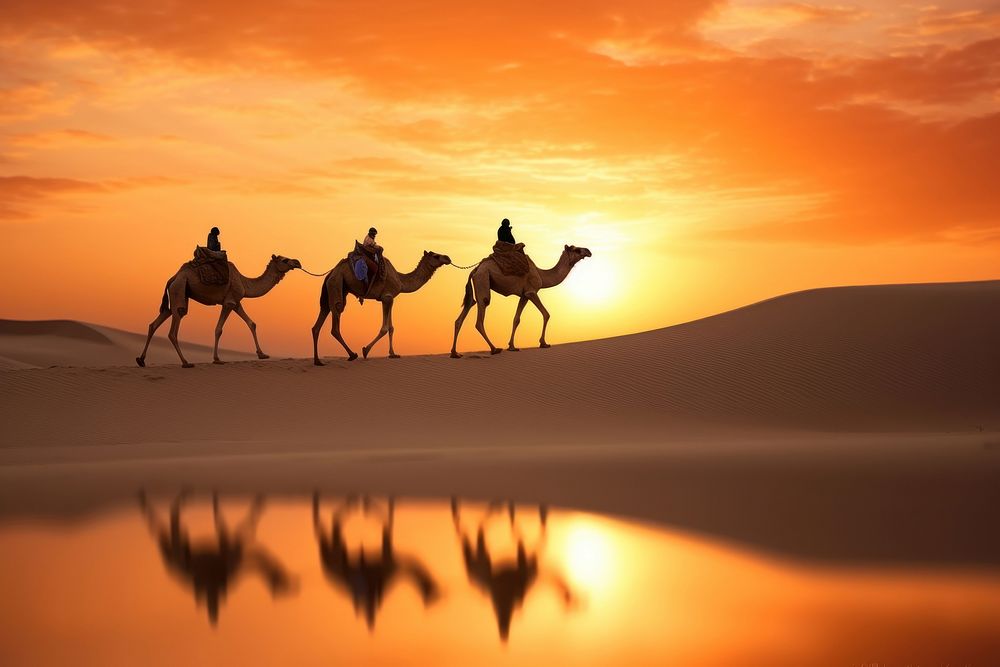
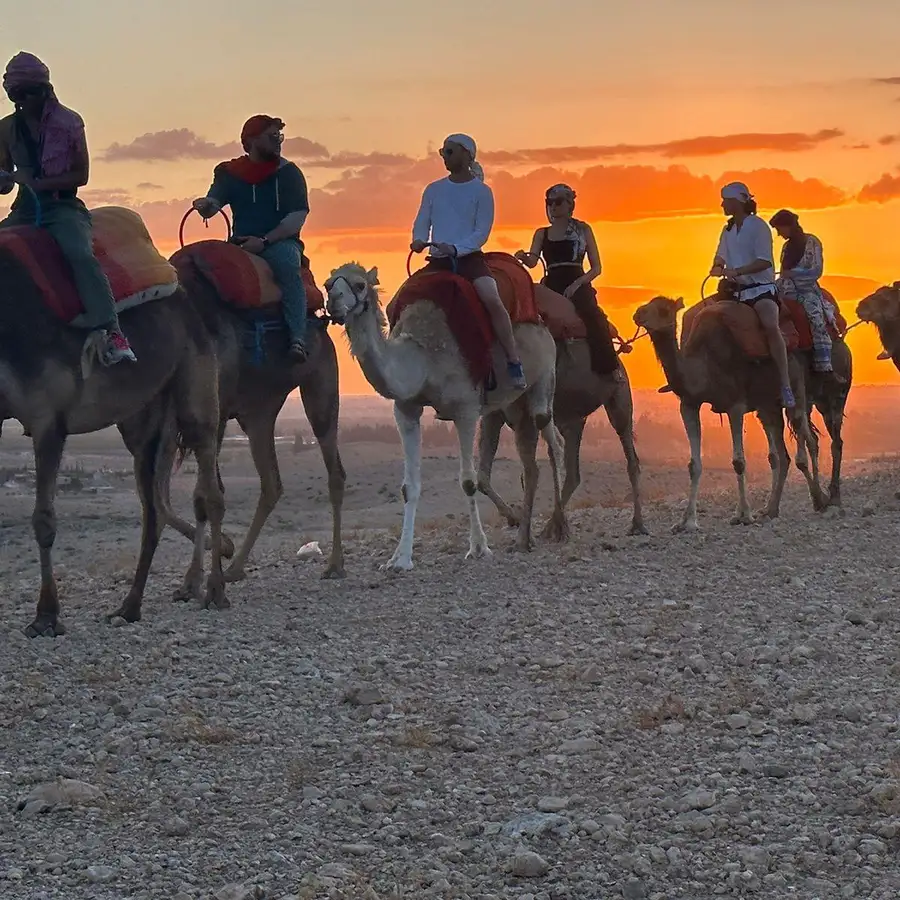
Head to the nearby sand dunes where camels are often stationed for treks. Align the animals against the horizon to emphasize the scale of the arid environment for your aydarkul lake yurt camp tours portfolio.
Focus on the long-exposure potential of the central fire pit under the clear night sky. Ensure you have your aydarkul lake yurt camp tickets ready for overnight access to secure these nocturnal shots.
Real experiences from real travelers
We spent two nights at the aydarkul lake yurt camp and it exceeded every expectation. The felt yurts were surprisingly comfortable with thick floor rugs and proper bedding. Our host family prepared fresh bread in a tandoor oven each morning. The lake itself stretches so far you cannot see the opposite shore, and at night the Milky Way was brighter than I have ever seen it.
Stayed three nights in June. The camp sits directly on the sandy beach with nothing between you and the water. We took a camel trek at sunset along the shoreline, then returned to a traditional Uzbek dinner served on low tables inside the yurt. No wifi or electricity after dark, just kerosene lamps and conversation. Exactly what we needed.
The journey from Nurata takes about an hour through desert landscape. Once you arrive at this yurt camp the modern world disappears completely. We swam in the lake during the afternoon heat, then watched the sun set over the water from cushions outside our yurt. The silence is profound. Meals were simple but delicious, mostly pilaf and fresh vegetables.
The setting on Aydarkul Lake is spectacular and our hosts were warm and welcoming. The yurts are authentic which means minimal amenities, shared pit toilets some distance away, and no running water. If you understand this going in you will love it. We did. The stargazing alone made the trip worthwhile.
We almost skipped the aydarkul lake yurt camp due to time constraints and I am so glad we did not. Sleeping in a traditional felt yurt on the edge of this vast turquoise lake was magical. Our guide arranged a small boat trip in the morning to see migratory birds. The hospitality was genuine and the food generous.
Visited during early spring when temperatures were perfect. The yurt camp accommodations were clean and the handwoven textiles covering the walls were beautiful. We learned how the lattice framework is assembled and disassembled for nomadic travel. Sunrise over Aydarkul Lake painted the sky in shades of orange and pink we tried to photograph but could not capture.
The family running this camp treated us like honored guests. They showed us how to make laghman noodles by hand and taught us a few Uzbek phrases. The yurt stays cool even in summer heat thanks to the felt insulation and cross-breeze from the open door. Swimming in the lake was refreshing and the water surprisingly clean.
Two hours from Samarkand but feels like another century. The aydarkul lake yurt camp offers a rare chance to experience traditional nomadic life without pretense. We slept on thick wool mats, ate meals prepared over an open fire, and spent the evening listening to our host play the dutar. No tour buses, no crowds, just desert and water and sky.
We camped for one night and wished we had booked two. The yurts are spacious enough to stand in the center and the wooden door frames are carved with traditional patterns. Watching the sun set over the endless lake while sitting on hand-embroidered cushions with a cup of green tea is a memory I will carry forever.
The Aydarkul Lake yurt camp tours include camel rides and traditional music but the real attraction is the tranquility. We walked along the shoreline for an hour without seeing another person. The felt walls of the yurt muffled all sound and we slept better than we had in weeks. Our hosts baked fresh non bread each morning in a clay oven buried in the sand.
Everything you need to know for your journey
The best arrival window for your aydarkul lake yurt camp is 11:00–18:00 for check-in and sunset views.
There is a 0 USD entrance fee; camps are typically booked as overnight packages including meals and activities.
Yes, dinner and breakfast are included in most overnight packages at the aydarkul lake yurt camp.
The best time to visit is from spring to autumn, when the weather is warm and pleasant for desert activities.
Yes, swimming is a popular activity during your aydarkul lake yurt camp visit, provided weather conditions allow.
Yes, families enjoy the nomadic experience at the aydarkul lake yurt camp, though desert terrain requires supervision.
Pack light with comfortable, layered clothing and sun protection for your aydarkul lake yurt camp tour.
Most camps provide electricity and shared bathroom facilities for your aydarkul lake yurt camp stay.
The camps are located near Dungalak Village, typically a 4–5 hour drive from Samarkand or Bukhara.
Check your specific booking terms, but many operators allow cancellations for a full refund up to 24 hours prior.
Join thousands of happy travelers who have discovered this incredible experience
Book Your Experience Now