48 hr
Aydarkul Lake & Desert Yurt Camp Adventure
- Expert local guide
- Small group
- Skip-the-line access
- Free cancellation
Aydarkul Lake from Samarkand — Desert Yurt Camps & Kyzylkum Safaris
Where the desert meets an accidental sea, nomadic traditions endure beneath endless stars
Compare fares, pick the fit — all bookings are mobile-voucher and eligible for free cancellation where shown.
48 hr
48 hr
48 hr
| Experience | Duration | Rating | Skip-the-line | Guide | Small group | Free cancel. | Price | |
|---|---|---|---|---|---|---|---|---|
|
Guided Experience
Most popular
Aydarkul Lake & Desert Yurt Camp Adventure
|
48 hr | ★ 4.9 | ✓ | ✓ | ✓ | ✓ | €172 | Book → |
|
Guided Experience
2-Day Kyzylkum Desert Safari with Yurt Stay at Lake Aydarkul
|
48 hr | ★ 4.3 | ✓ | ✓ | ✓ | ✓ | €161 | Book → |
|
Guided Experience
2-Day Desert Yurt Stay with Camel Trek & Aydarkul Lake
|
48 hr | ★ 4.5 | ✓ | ✓ | ✓ | ✓ | €173 | Book → |
Worth it for desert adventurers and overnight campers
Aydarkul Lake from Samarkand delivers exceptional value as a multi-day desert escape rather than a quick detour. The lake itself is free to access—no entrance fee or ticket booth—but the real experience lies in the overnight yurt camps scattered along its shores. The 2-day packages on offer combine camel trekking across Kyzylkum dunes, traditional yurt accommodation, and sunrise over the water, typically starting around dawn to avoid midday heat. It's worth it for travelers seeking authentic nomadic immersion and stark desert beauty, but skip it if you're chasing famous landmarks or expect lake swimming; Aydarkul is shallow, saline, and better suited for photography than recreation. Independent day trips from Samarkand are logistically awkward without private transport, so the guided safari tours justify their cost by bundling transfers, meals, and the yurt stay into one package.
Bottom line: Book a 2-day yurt safari for the full desert immersion—day trips rarely justify the distance.
These two destinations offer complementary experiences; most visitors who do both call Aydarkul Lake the more adventurous escape, while Shahrisabz stands out as the premier historic landmark choice.
|
Top pick Aydarkul Lake |
Shahrisabz | |
|---|---|---|
| Focus | Nature and desert landscape | Timurid history and architecture |
| Travel time | 2.5–3 hours | 1.5–2 hours |
| Typical duration | Full day or overnight | Half to full day |
| Key activities | Camel riding, bird watching | Palace ruins, mosque visits |
| Suitability | Adventure and nature seekers | History and culture enthusiasts |
| Transport | Private driver required | Private driver or shared taxi |
| Starting price | 40–50 USD (summer) | 40–45 USD (summer) |
| See tickets & prices |
Verdict: Choose Aydarkul Lake from Samarkand tours if you want a remote desert retreat, or head to Shahrisabz for a seamless cultural day trip featuring UNESCO-listed sites.
Hand-picked experiences loved by thousands of travelers
2 days
Free Cancellation
Two-day desert escape with camel rides, nomadic yurt camping, starlit music, and swims in sacred waters
2 days
Free Cancellation
Sleep under desert stars, ride camels across dunes, and discover ancient Silk Road history at Aydarkul Lake.
2 days
Free Cancellation
Journey deep into Uzbekistan's desert for camel rides, lakeside swims, and starlit yurt nights
3 days
Free Cancellation
Sleep in a desert yurt, hike mountain villages, and ride camels through Uzbekistan's wild heart
11–12 hours
Free Cancellation
Cross into Tajikistan to explore the legendary Haft-Kul lakes in the Fann Mountains—seven turquoise gems in one unforgettable day.
12 hours
Free Cancellation
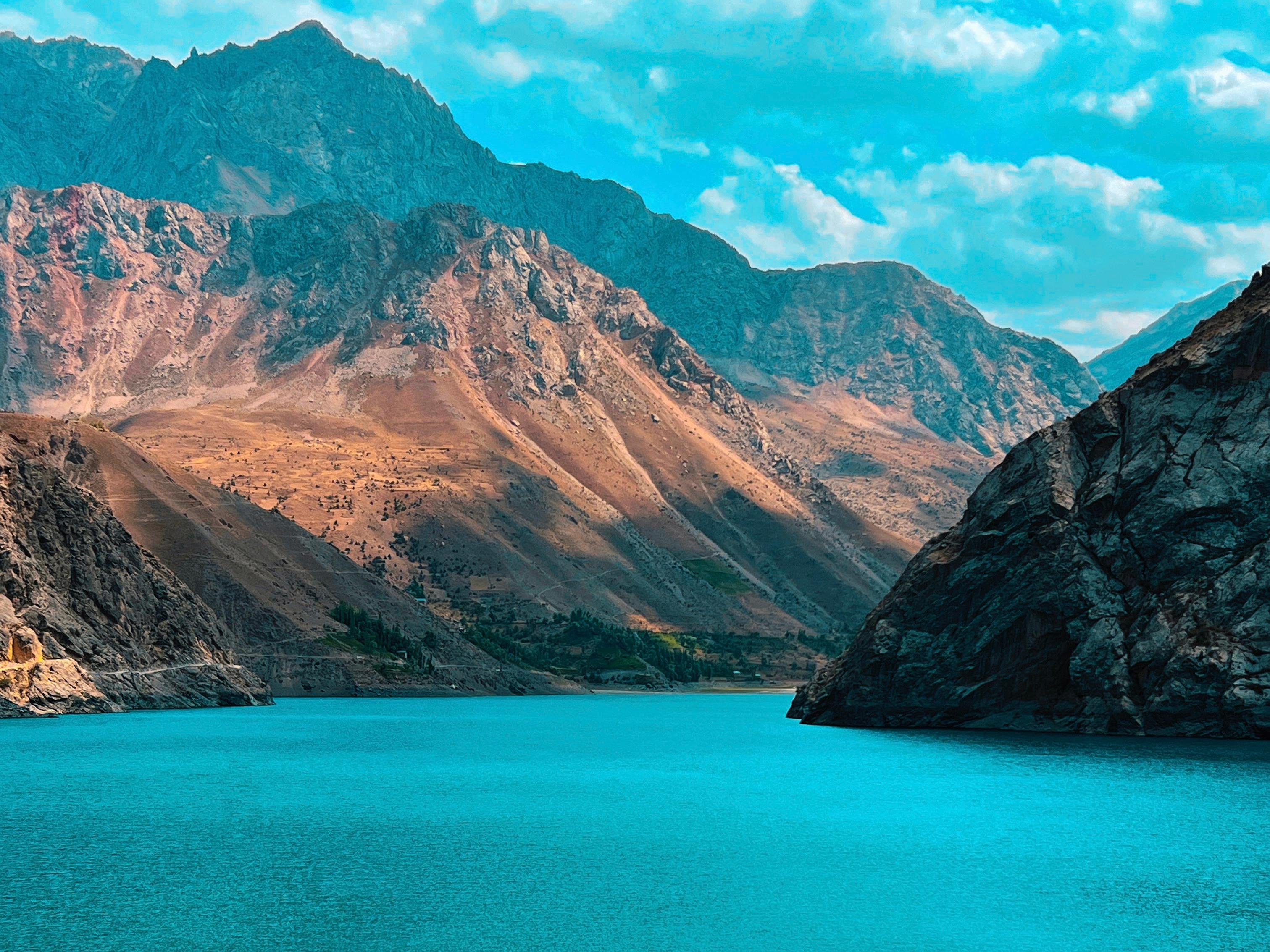
Cross into Tajikistan to discover seven alpine lakes, each a different hue, nestled in the Fann Mountains
12 hours
Free Cancellation
Journey through Tajikistan's alpine paradise on a cross-border adventure from Samarkand
9 hours
Free Cancellation
Journey through the Fann Mountains to witness seven shifting-color alpine lakes and explore Tajik culture
Early start from Samarkand
Travel through desert landscapes
Reach Aydarkul Lake at best light
Shoreline walking and bird watching
Return journey before midday heat
You leave Samarkand in the early morning, crossing the Zeravshan valley as it narrows into steppe. Two hours northeast, the asphalt ends and the Kyzylkum begins: red sand stretched flat to the horizon, broken only by low saxaul thickets and the occasional herd of Karakul sheep.
Your driver steers around soft patches, following tire tracks left by previous convoys.
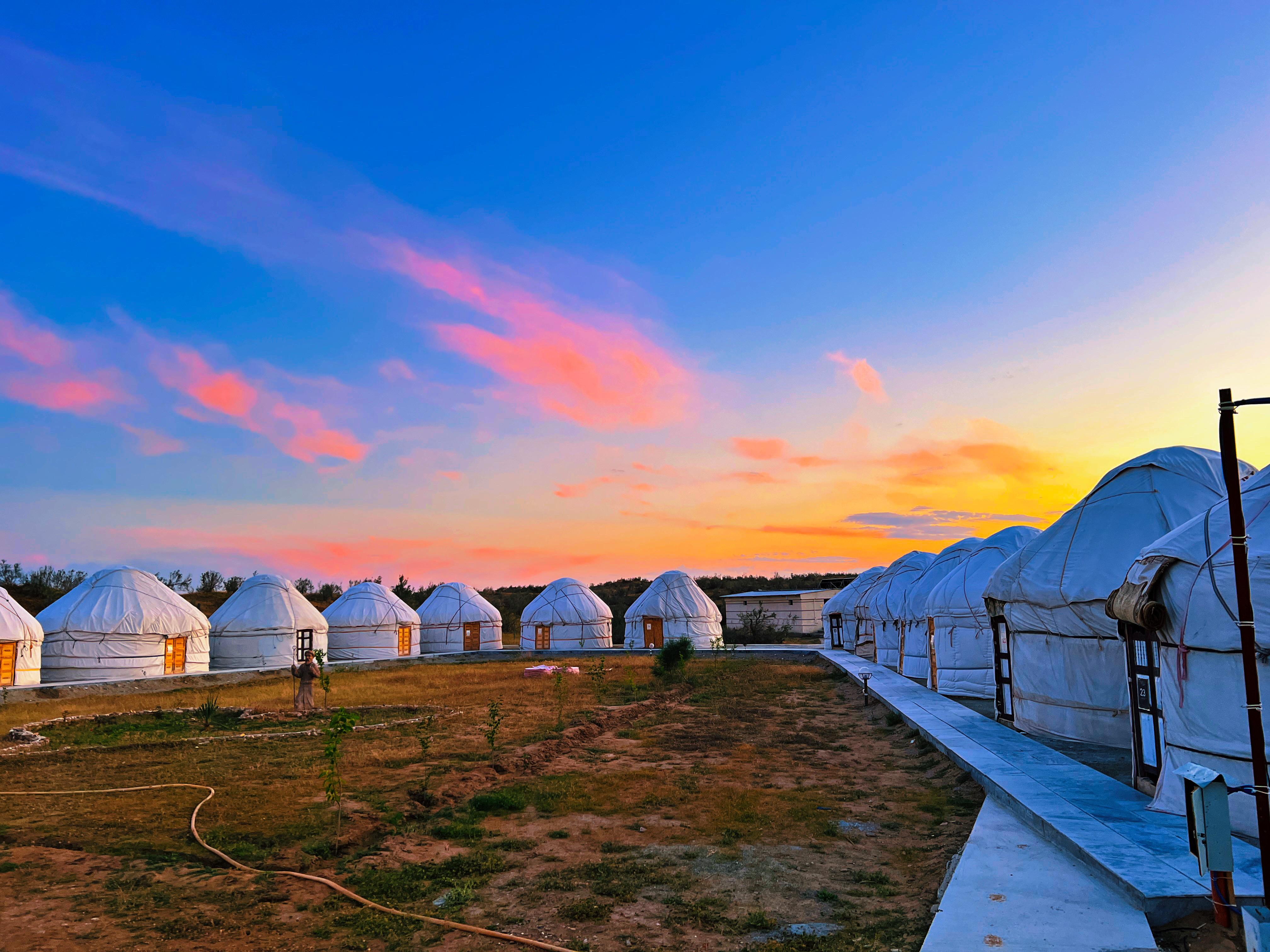
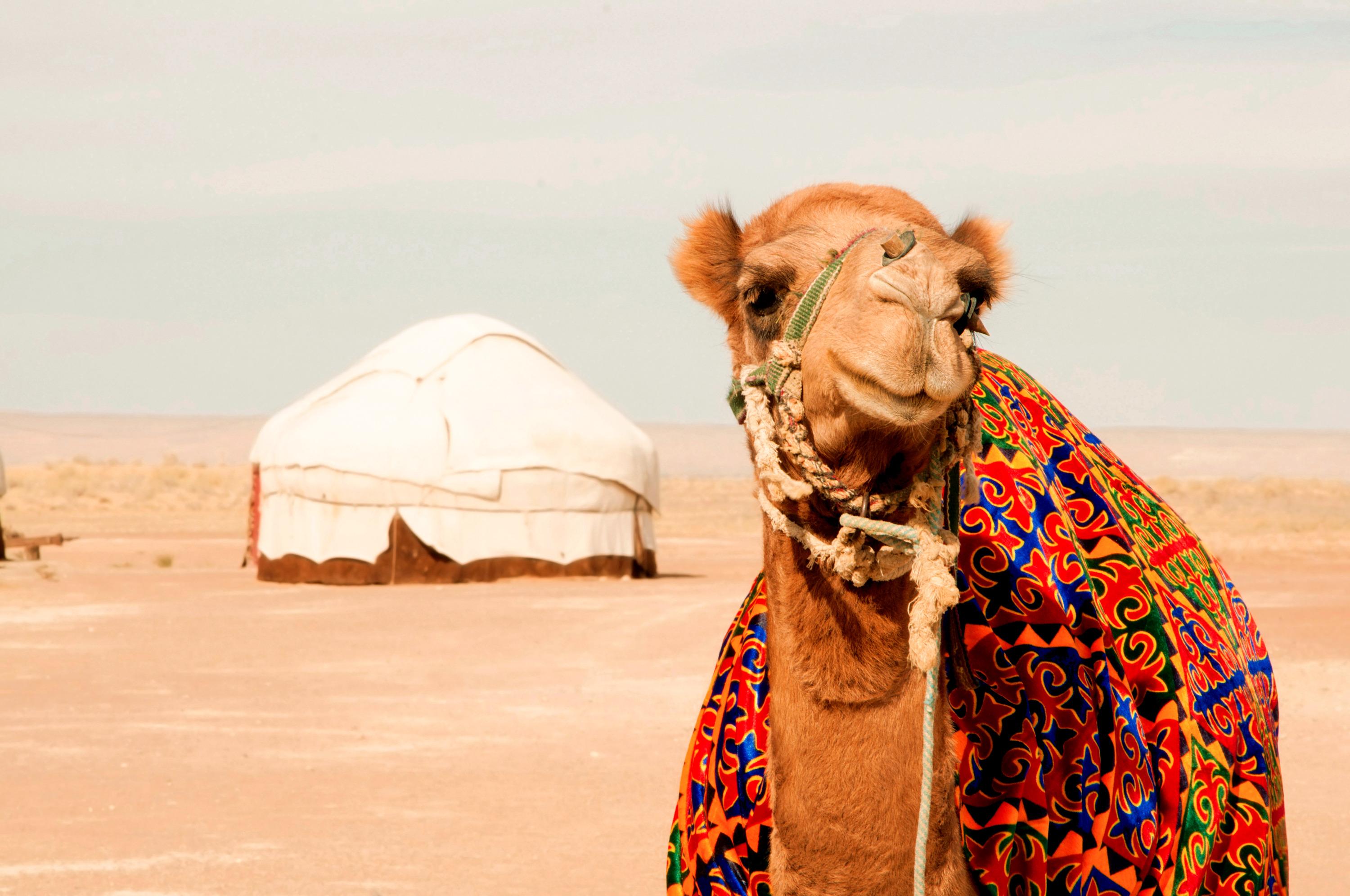
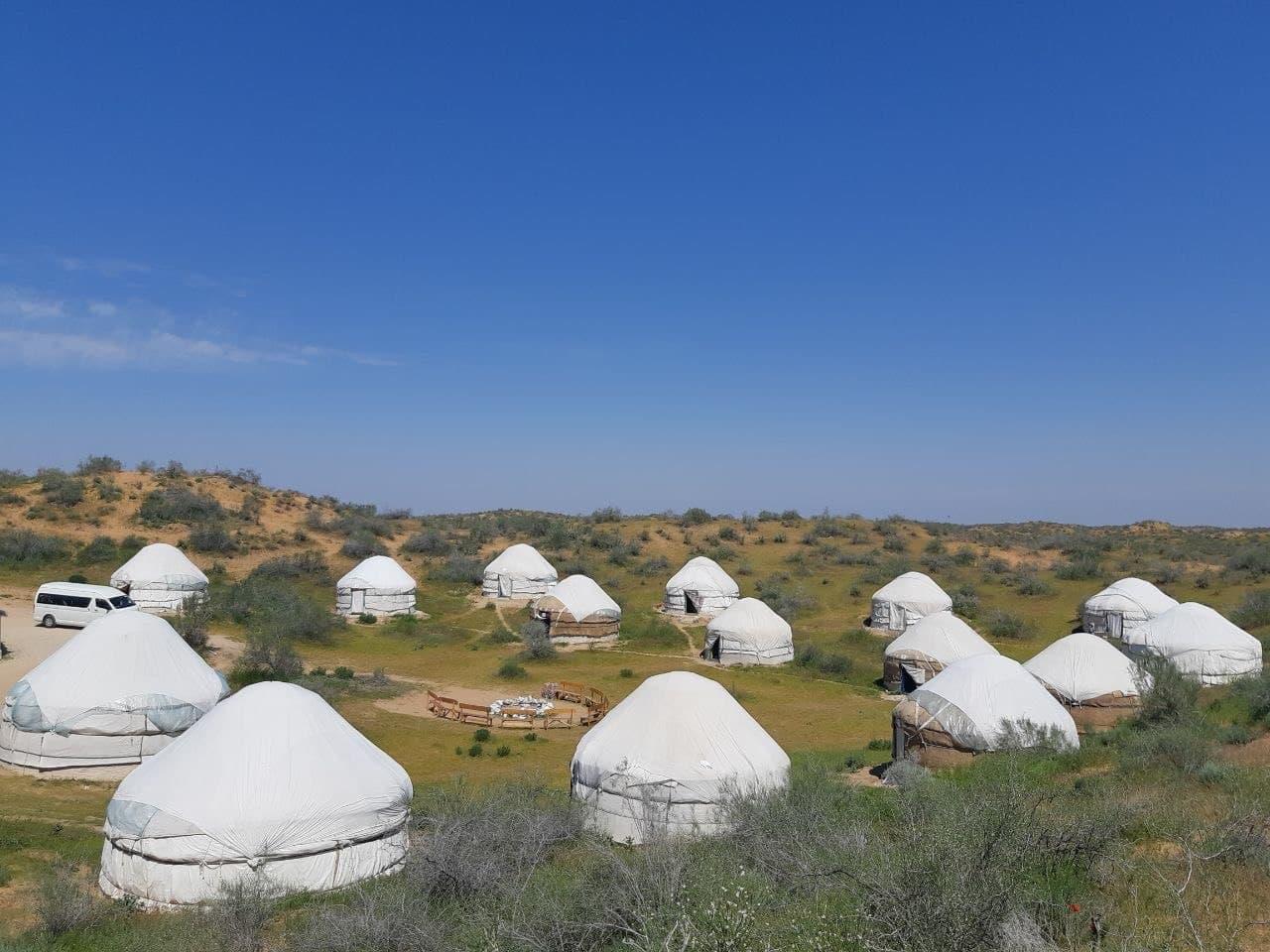
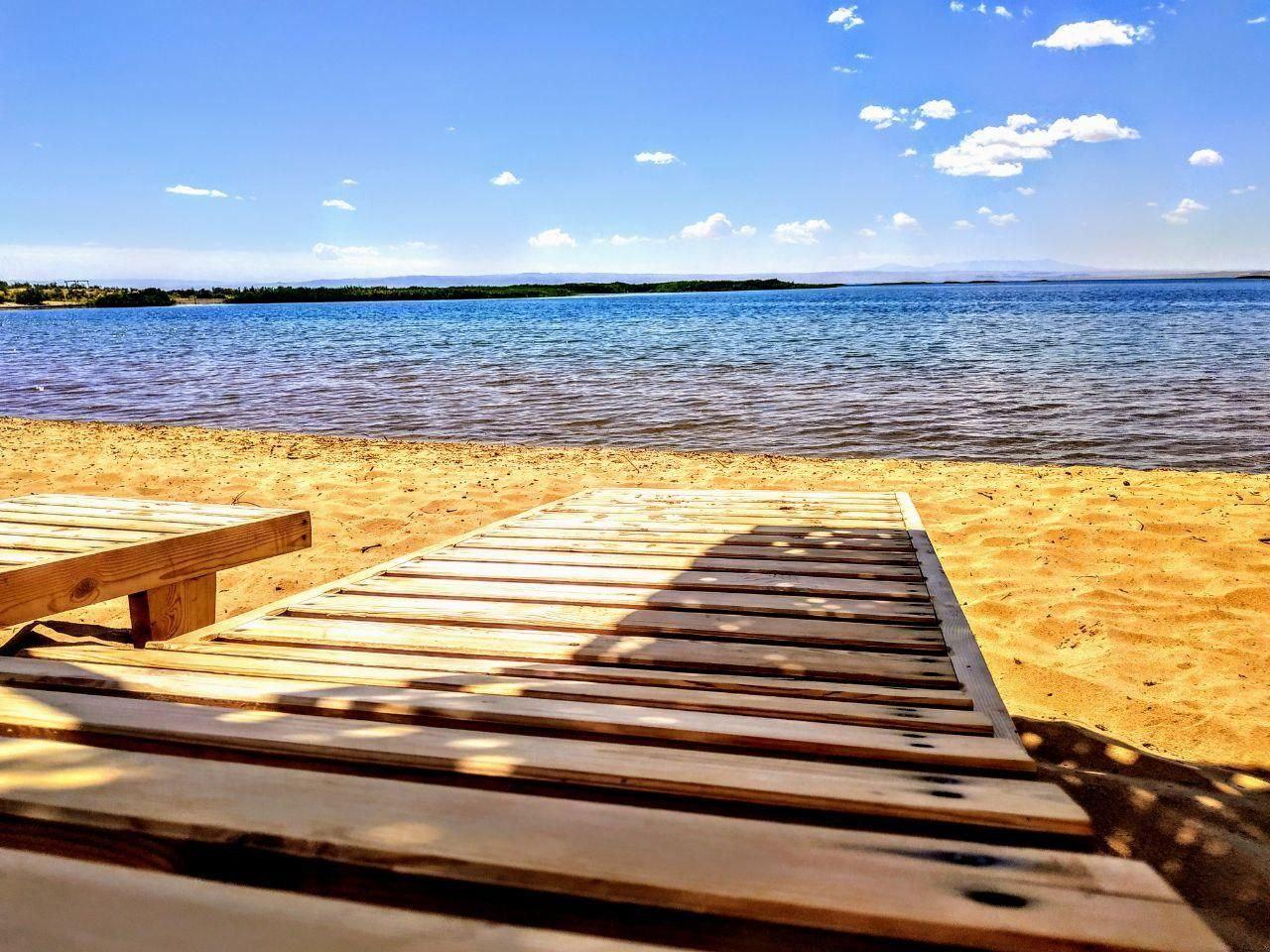
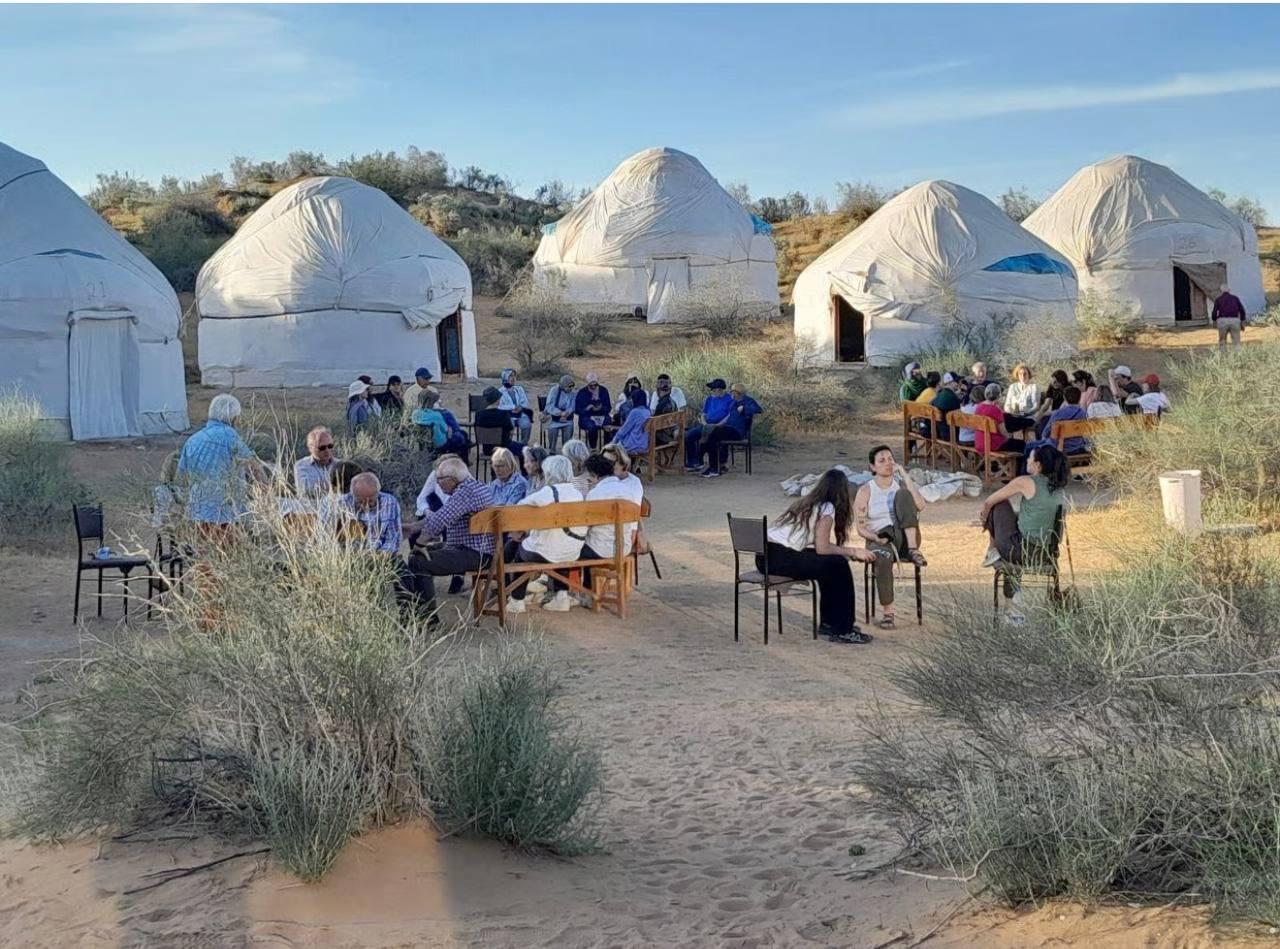
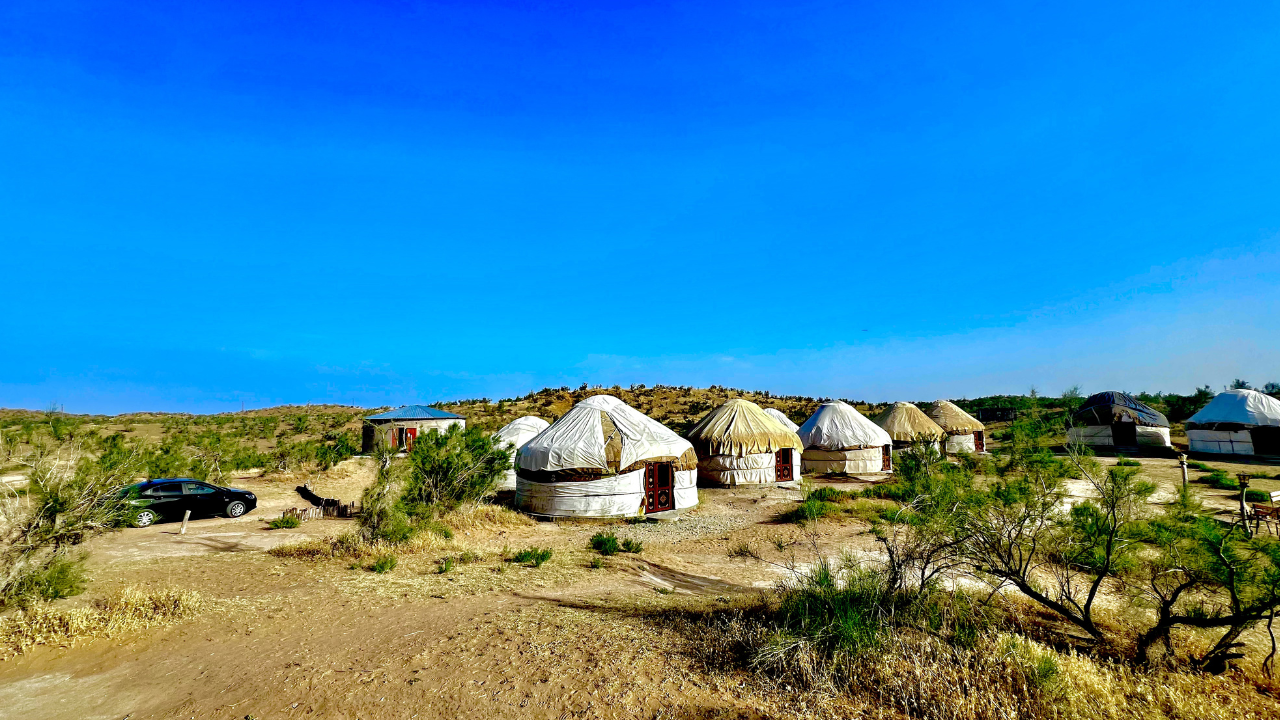
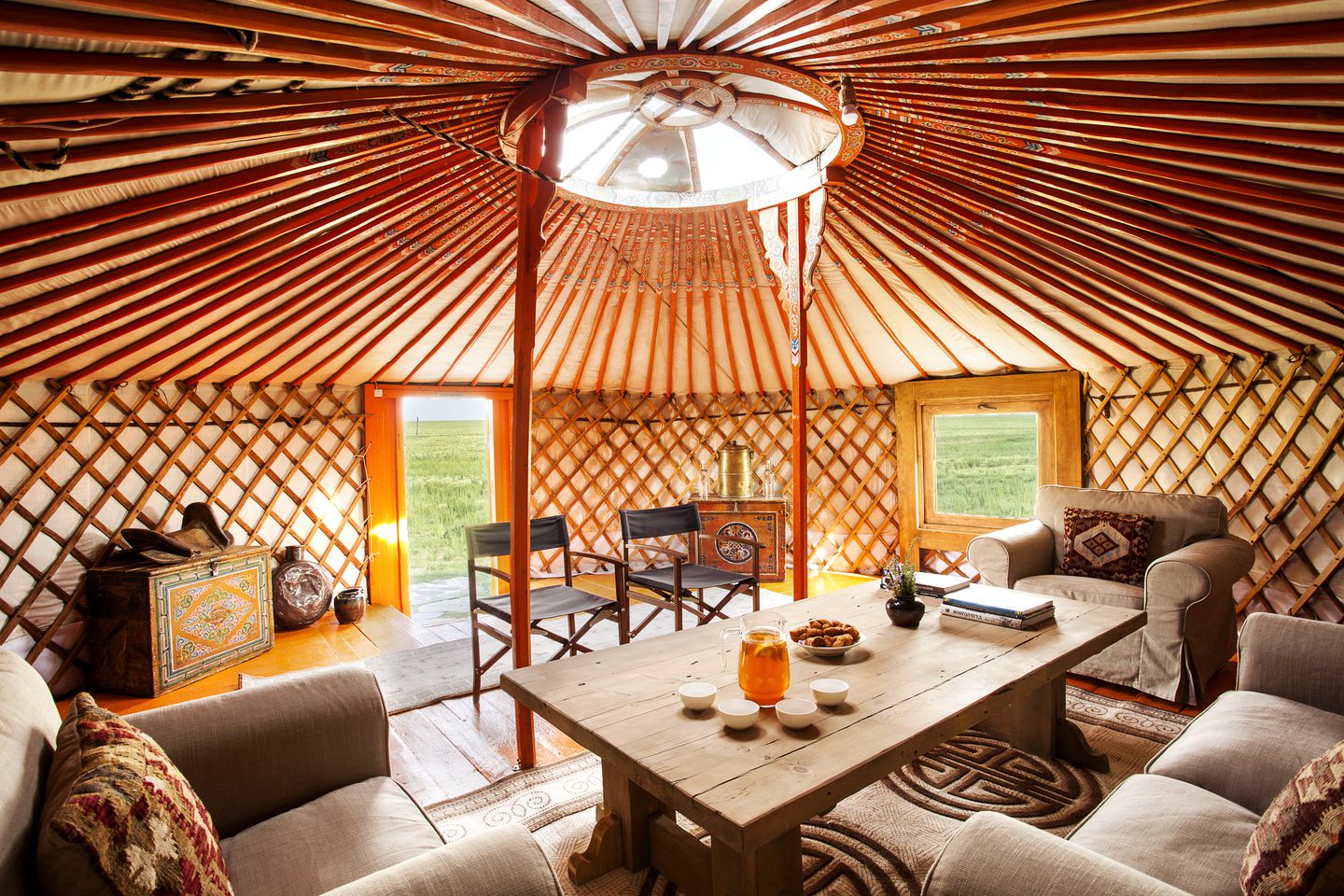
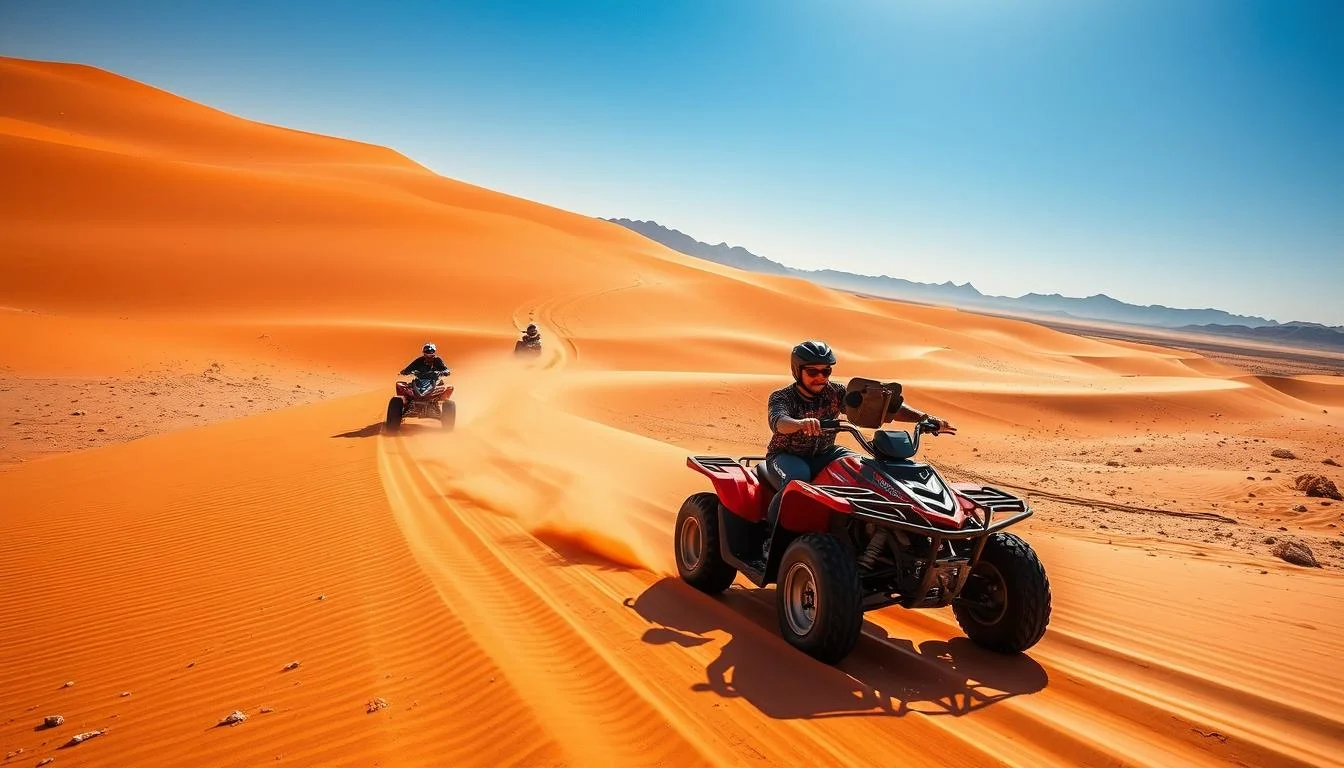
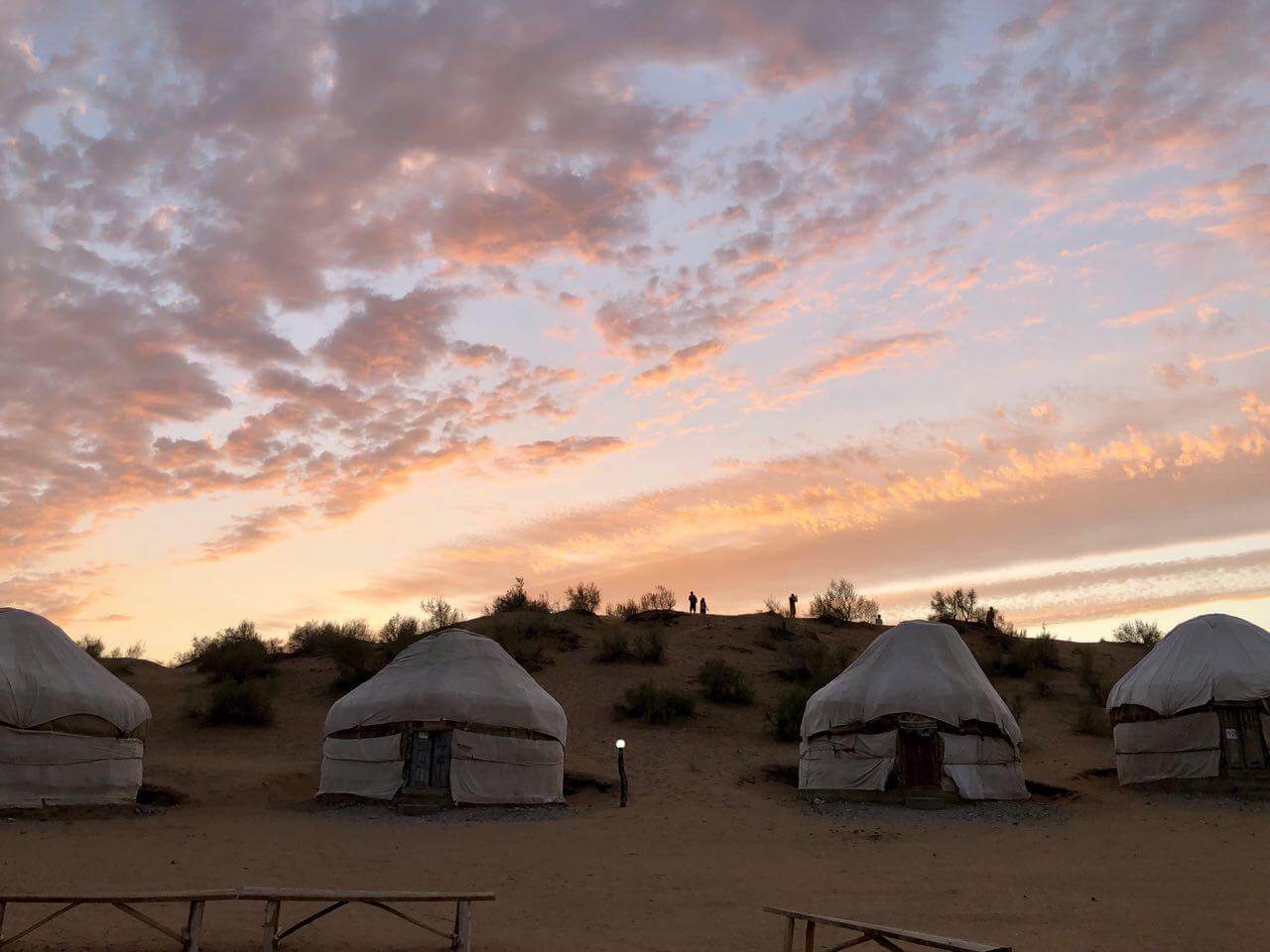
You reach the yurt camp by midday. Felt walls surround a wooden frame lashed with leather cord; inside, carpets cover the floor and a low table holds ceramic bowls of dried fruit and green tea. After lunch—plov cooked over an open fire—you mount a Bactrian camel for a slow trek across the dunes. The lake appears as a silver line against the sand, widening as you descend the final slope. You walk its shore in late afternoon, the water cool and brackish, plovers lifting in flocks from the shallows.
Dinner is served at dusk: lagman, fresh flatbread, and salted yoghurt. The hosts build a fire outside the yurt circle and pour rounds of vodka while a dombra player begins a long, modal tune. You sleep on thin mattresses as the temperature drops, waking before dawn to watch the sun rise over the eastern dunes, the lake surface mirror-still.
All the details about your upcoming adventure in one place
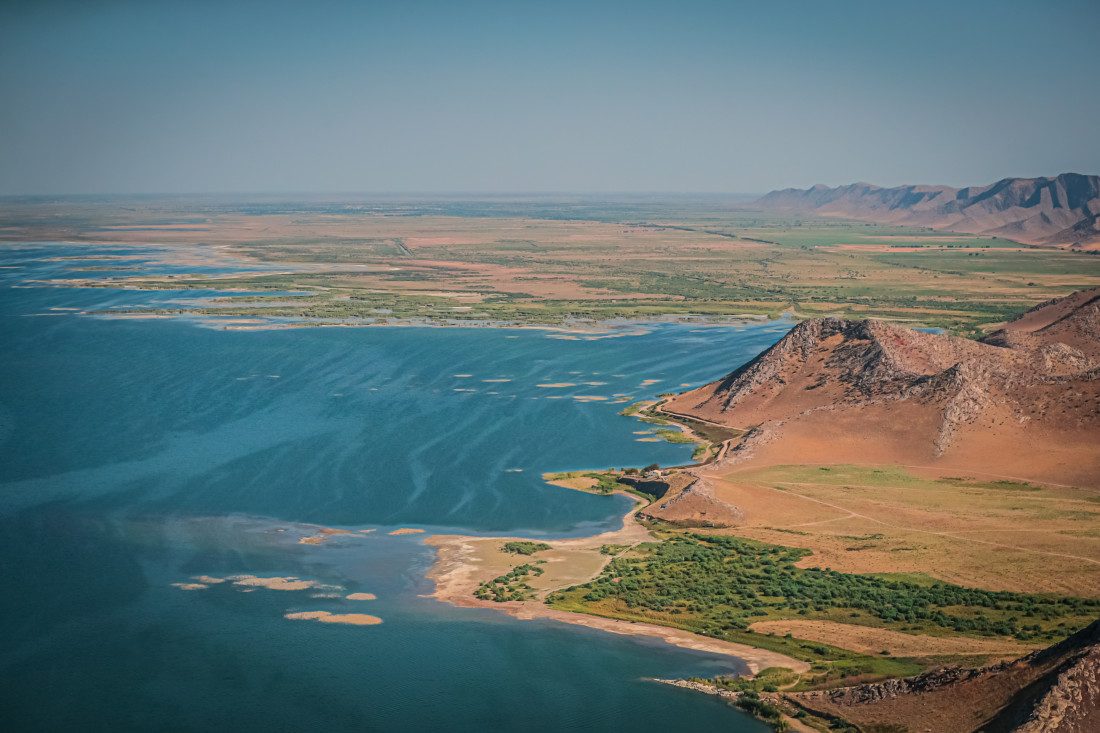
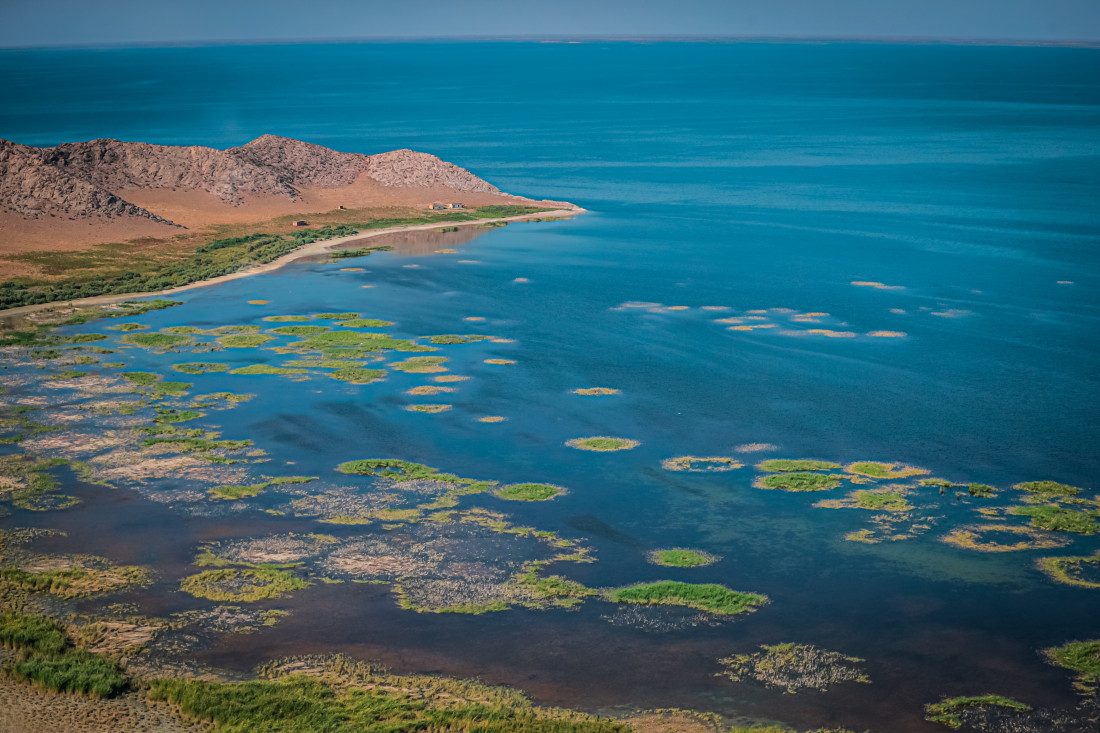
Aydarkul Lake exists because Soviet engineers miscalculated. In 1969, snowmelt from the Tian Shan mountains overwhelmed irrigation channels feeding the Syr Darya basin, flooding a natural depression in the Kyzylkum Desert and creating a 3,000-square-kilometre inland sea where sand dunes had stood for millennia.
What began as an engineering failure became an ecological turning point: migratory birds rerouted to the new wetland, Karakul shepherds moved their flocks to its shores, and the Kazakh and Uzbek communities living along its perimeter adapted their rhythms to a body of water that had not existed in their grandparents' time.
Today the lake anchors a fragile oasis economy two hundred kilometres northeast of Samarkand, straddling the administrative boundary between Jizzakh and Navoi regions. Its shoreline shifts with each season—winter rains push the waterline across salt flats, summer heat shrinks it back toward the centre—but the human geography remains constant. Yurt camps cluster along the western shore, their felt walls and wooden lattices identical in form to those used by steppe pastoralists a thousand years ago. Families who once moved livestock across the desert now host visitors from Tashkent and Samarkand, serving lagman and plov inside low-ceilinged yurts while camels graze on saxaul scrub outside. The overnight yurt stay has become the standard offering for Samarkand to Aydarkul Lake tours, pairing desert transit with an immersive introduction to semi-nomadic life.
The surrounding Kyzylkum—Uzbekistan's largest desert, covering 298,000 square kilometres—remains sparsely populated, its red sand dunes stabilised by hardy shrubs and scored by the tracks of Bactrian camels. The drive from Samarkand crosses two ecological zones: irrigated cotton plains give way to open steppe, then to true desert marked by saxaul forests and the occasional shepherd's compound. Multi-day safaris follow this gradient in reverse, beginning with camel treks through dune fields before reaching the lake's brackish shore. The water itself is too saline for drinking but supports a seasonal fishery and draws flocks of pelicans, cormorants, and flamingos during migration windows. At night, the absence of light pollution renders the Milky Way visible in full detail, a sight that has anchored the appeal of desert yurt camp experiences across Central Asia.

What began as an engineering failure became an ecological turning point.
Modest clothing is recommended when traveling through rural Uzbekistan and near the aydarkul lake from samarkand region. Sun protection including wide-brimmed hats and sunglasses is necessary given the exposed desert environment.
There are no security checkpoints for aydarkul lake from samarkand as it is a vast natural feature. Keep personal belongings secure in your vehicle or camp when exploring the shoreline.
The landscape offers expansive opportunities for landscape photography at aydarkul lake from samarkand. Use a polarizing filter to manage glare from the water and sand reflection.
Families visiting aydarkul lake from samarkand should bring sufficient shade structures and water. The remote location means medical facilities are not immediately accessible.
The lake shore consists of sandy or rocky terrain which may be difficult for mobility aids. Visitors planning an aydarkul lake from samarkand tour should expect natural, unpaved surfaces throughout the area.
No food or drink facilities are provided on-site at the lake. Visitors must carry sufficient supplies for their aydarkul lake from samarkand trip.
Opening Hours
00:00–23:59
Address
Kyzylkum Desert, Jizzakh/Navoi Region, Uzbekistan
Accessibility
Natural terrain, unpaved shorelines
Best arrival
07:00–10:00
Navigation
Remote desert area, GPS required
Car · 3-4 hours · Costs vary by fuel usage.
Follow route via Nurata, requires 4WD.
Since there is a 0 UZS entrance fee for Aydarkul Lake, no formal cancellation or ticket refund policy applies to the site entry. Please check your specific transportation provider or aydarkul lake from samarkand tour operator terms for their refund windows.
Recommended time
1-2 days
Planning a trip for aydarkul lake from samarkand requires significant travel time through the Kyzylkum Desert, making a multi-day approach more rewarding than a hurried excursion. While the remote landscape remains peaceful, most aydarkul lake from samarkand tours benefit from an overnight stay to fully appreciate the vast shoreline and the silence of the sand dunes. You can compare aydarkul lake from samarkand tickets and booking options below to find the right pace for your journey, as the lack of official gates means crowds are generally manageable regardless of the time.
Crowd levels through the day
Weather · crowds · average price — dots go green to amber to red as each metric rises.
Mild temperatures, vibrant desert flora and bird migration.
Drink water consistently to avoid dehydration in the desert climate.
Samarkand city center
Common pickup for aydarkul lake from samarkand tours
Get directionsAydarkul Lake did not exist before 1969. That spring, the Chardarya Dam on the Syr Darya River failed catastrophically during snowmelt flooding, releasing millions of cubic meters of water into the Arnasay Depression, a natural low basin in the western Kyzylkum Desert. The Soviet authorities, unable to contain the breach, redirected the overflow into the Aydar-Arnasay system, creating what would become Central Asia's second-largest artificial lake. Within months, water pooled across 3,000 square kilometers of barren steppe, drowning camel routes and transforming a hyper-arid zone into an inland sea. Engineers reinforced the dam by 1971, but the lake remained, fed by controlled releases and groundwater seepage. For two decades, Aydarkul existed in administrative limbo—neither reservoir nor natural feature. Fisheries emerged first: carp, pike-perch, and bream stocked from Kazakh hatcheries colonized the brackish shallows by the mid-1970s. Migratory birds followed, turning the eastern shore into a stopover for pelicans and flamingos crossing the Silk Road flyway. The lake stabilized ecologically, but human access lagged. Roads remained unpaved, and Soviet-era restrictions kept the zone closed to casual tourism. Only after independence in 1991 did Uzbek authorities begin framing Aydarkul as a recreational asset rather than a hydrological accident. The first yurt camps appeared along the southern shore in the early 2000s, targeting the nascent overland Samarkand-Bukhara tourist corridor. By 2010, aydarkul lake from samarkand tours had entered the standard repertoire of domestic operators, marketed as a desert-lake contrast to the Registan's tile work. Infrastructure improved slowly: graded access roads in 2015, mobile coverage by 2018, and seasonal camel-trekking permits formalized in 2020. The lake itself continues to shrink—satellite data shows a 15 percent surface reduction since 2005 due to reduced Syr Darya inflow—but it remains navigable and ecologically active. What began as a Soviet engineering failure has endured as an unplanned wetland, now woven into the region's ecological and tourism fabric.
Chardarya Dam failure floods Arnasay Depression, forming Aydarkul Lake across 3,000 square kilometers of Kyzylkum steppe.
Soviet engineers stabilize the dam and establish controlled water releases, cementing the lake as a permanent feature.
Carp and pike-perch stocked from Kazakh hatcheries establish self-sustaining fisheries in the brackish shallows.
Post-independence Uzbekistan reclassifies the lake from industrial accident to potential tourism and ecological asset.
First yurt camps open along the southern shore, catering to overland travelers between Samarkand and Bukhara.
Graded access roads connect the lake to the M39 highway, reducing travel time from Samarkand to under three hours.
Uzbek authorities formalize seasonal permits for camel trekking and overnight desert camps around the lake perimeter.
Position yourself on the high sandy crests to capture the vast expanse of the Kyzylkum Desert meeting the water. This vantage point provides a wide panoramic frame for aydarkul lake from samarkand tours.
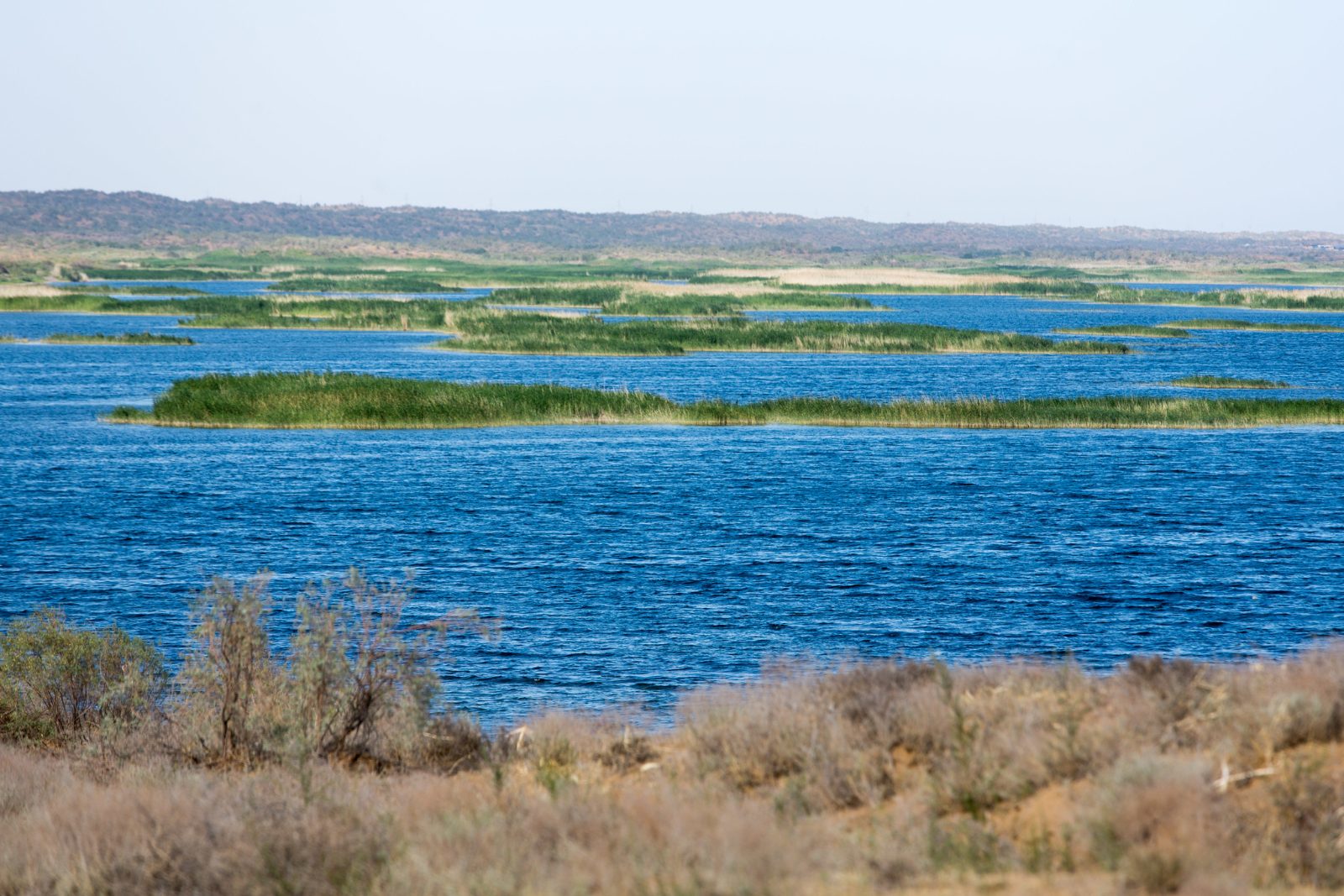
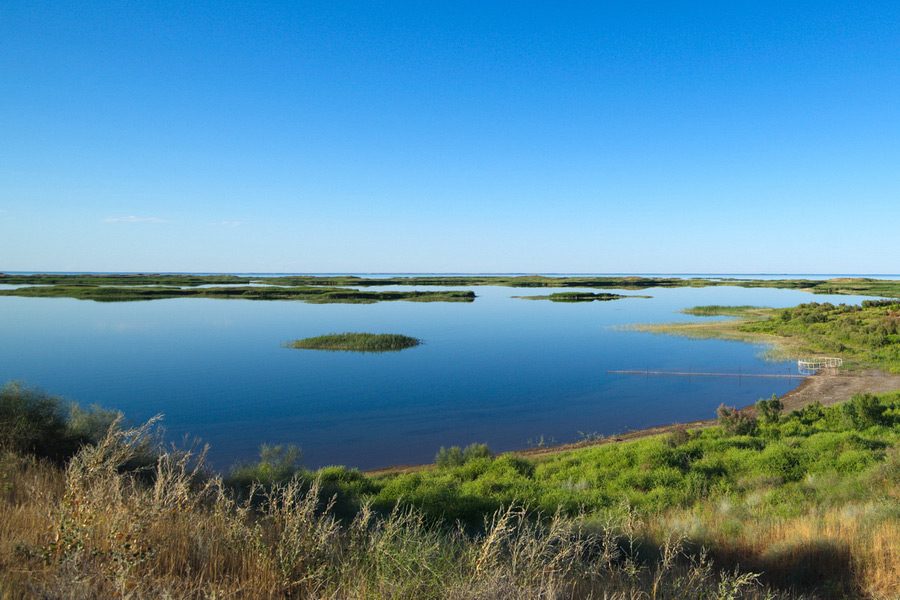
Stand along the perimeter of the traditional nomadic encampments where the reed-lined banks create a textured foreground. These spots offer a local perspective of the salt lake ecosystem for those on an aydarkul lake from samarkand tour.
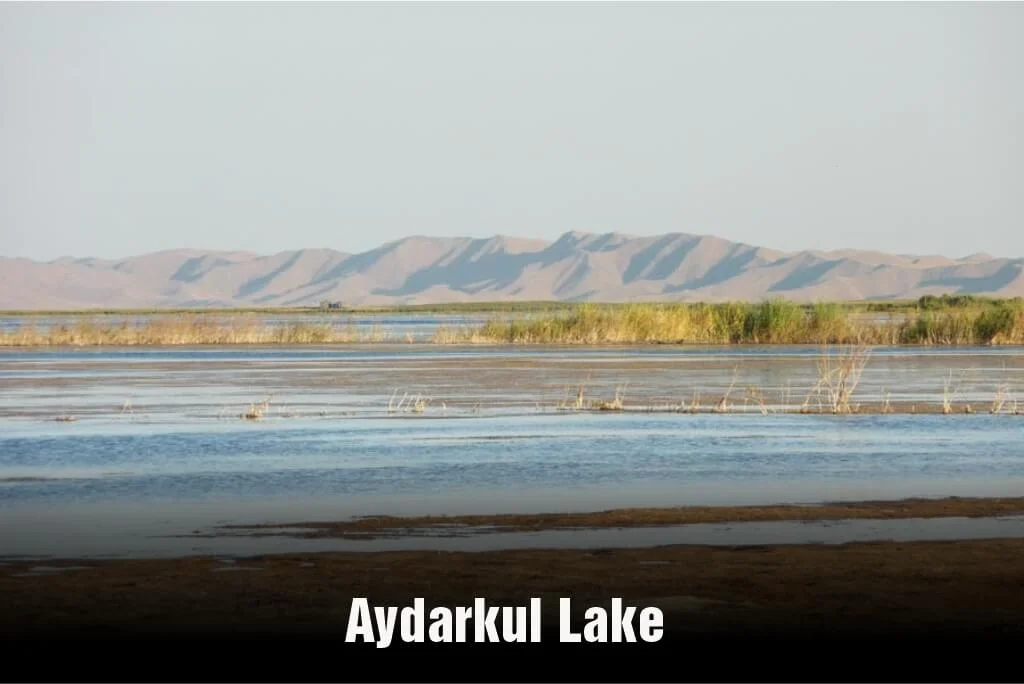
Walk to the edge of the receding shoreline to find intricate patterns in the crystallized salt deposits. Use a low angle to contrast the white ground with the deep blue hues of the water, a popular choice for visitors with aydarkul lake from samarkand tickets.
Planning a trip to aydarkul lake from samarkand requires preparation for the remote desert environment, as this natural landmark offers vast open spaces rather than developed playground infrastructure. Families traveling with children should prioritize sun protection and hydration when visiting this expansive, natural salt lake.
Strollers are not practical due to the sandy terrain surrounding the lake, so families should bring high-quality child carriers for younger visitors.
School-aged children typically enjoy this destination most as they can better manage the long drive and desert conditions compared to toddlers.
There are no baby-change facilities or modern restrooms available at the water's edge, making it essential to prepare for rustic conditions before departing on aydarkul lake from samarkand tours.
The journey involves significant time in transit, so parents should book aydarkul lake from samarkand tickets that allow for frequent stops.
The region experiences very little rainfall, but desert heat makes mid-day visits challenging, so consider the best arrival window of 07:00–10:00 for your aydarkul lake from samarkand tour.
Pack plenty of water and preferred snacks, as local vendors are sparse and your itinerary may not align with traditional dining hours.
Dining options when visiting aydarkul lake from samarkand are primarily centered around established yurt camps that provide full-board catering. Since there are no independent restaurants near the Kyzylkum Desert, visitors on aydarkul lake from samarkand tours usually arrange meals as part of their package, focusing on regional nomadic cuisine.
This camp serves traditional Uzbek meals such as shashlik and plov, typically cooked over open flames. It remains the most reliable spot for travelers planning aydarkul lake from samarkand tickets in advance for group excursions.
Meals here feature seasonal vegetables, fresh lepyoshka bread, and locally sourced dairy products. Guests arriving on a typical aydarkul lake from samarkand tour should expect communal dining settings that reflect authentic steppe hospitality.
Everything you need to know for your journey
No, there are no aydarkul lake from samarkand tickets as entry is free at 0 UZS.
The lake is open 00:00–23:59 daily.
Natural terrain makes accessibility challenging for wheelchairs at aydarkul lake from samarkand.
The best arrival window is 07:00–10:00 for optimal light and temperature.
Swimming is possible, but exercise caution as there are no lifeguards at the aydarkul lake from samarkand.
No, visitors must bring their own food and water for any aydarkul lake from samarkand trip.
Modest dress is advised, with sun protection being a priority for all aydarkul lake from samarkand visitors.
The drive typically takes 3-4 hours depending on road conditions.
Professional drone use requires permits in Uzbekistan; check local regulations before visiting the lake.
The area is vast and isolated, so maintain awareness and follow safety guidelines for aydarkul lake from samarkand.
Ancient sacred spring with holy fish.
Traditional felt tents near the lake.
Join thousands of happy travelers who have discovered this incredible experience
Book Your Experience Now