11 hr
Banff Icons: Lake Louise, Moraine Lake, Emerald Lake & Johnston Canyon
- Expert local guide
- Small group
- Skip-the-line access
- Free cancellation
Lake Aydarkul Yurt Camp and Resort — Desert Refuge & Camel Expeditions
Where the Kyzylkum meets turquoise waters, nomadic hospitality endures
Compare fares, pick the fit — all bookings are mobile-voucher and eligible for free cancellation where shown.
11 hr
| Experience | Duration | Rating | Transfers | Pickup | Skip-the-line | Guide | Price | |
|---|---|---|---|---|---|---|---|---|
|
Guided Experience
Most popular
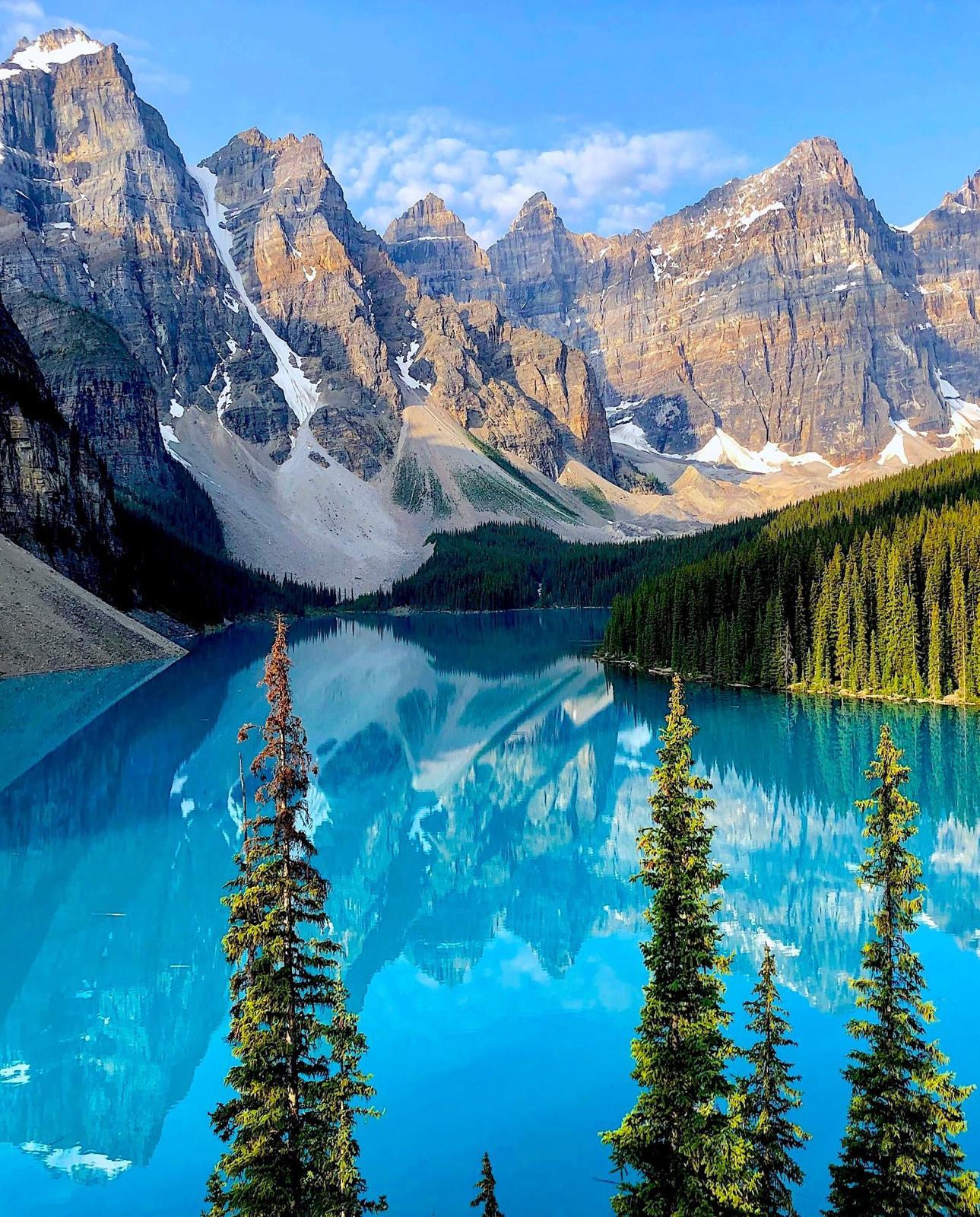
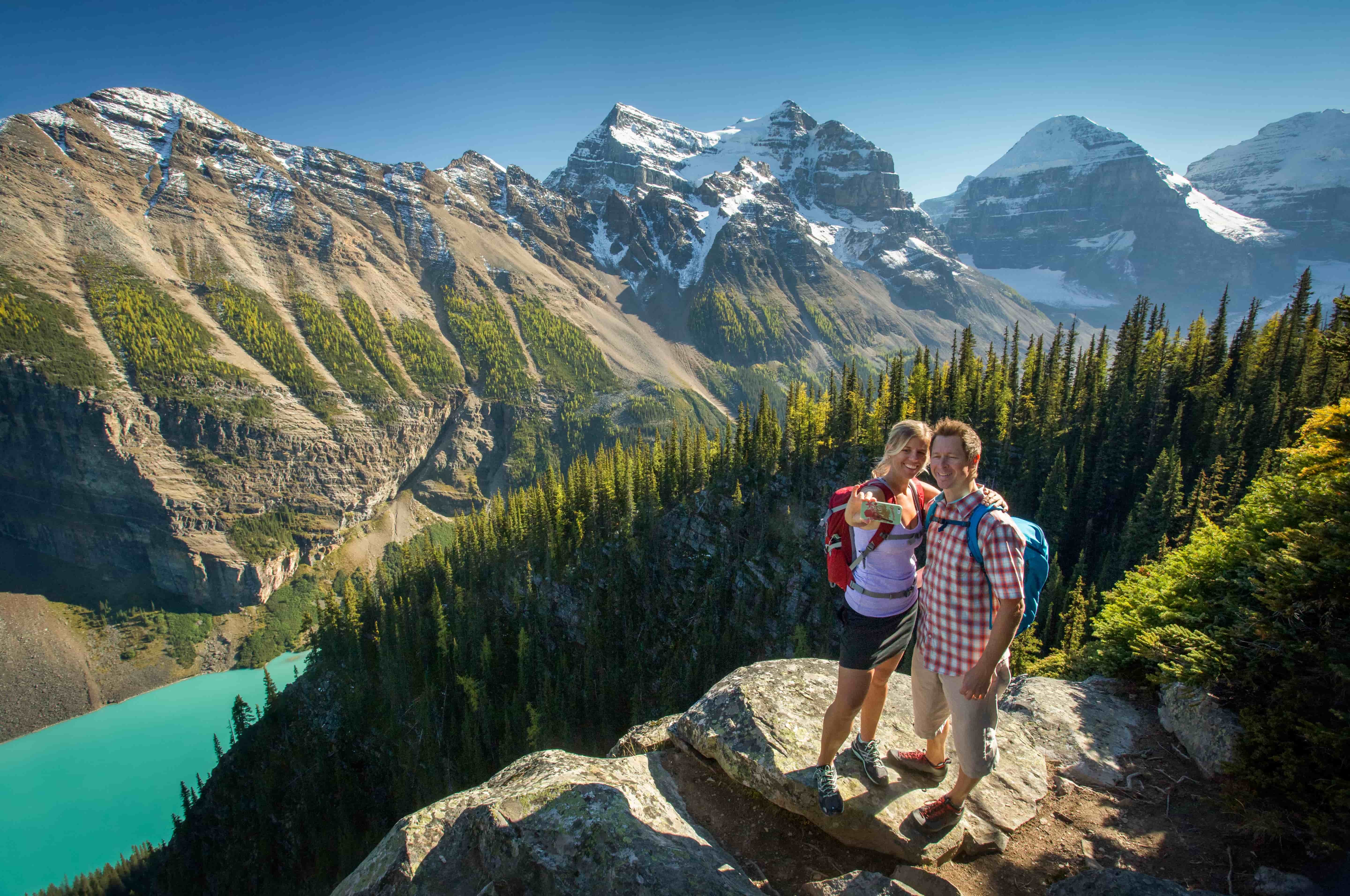
Banff Icons: Lake Louise, Moraine Lake, Emerald Lake & Johnston Canyon
|
11 hr | ★ 4.8 | ✓ | ✓ | ✓ | ✓ | €55 | Book → |
|
Standard Entry
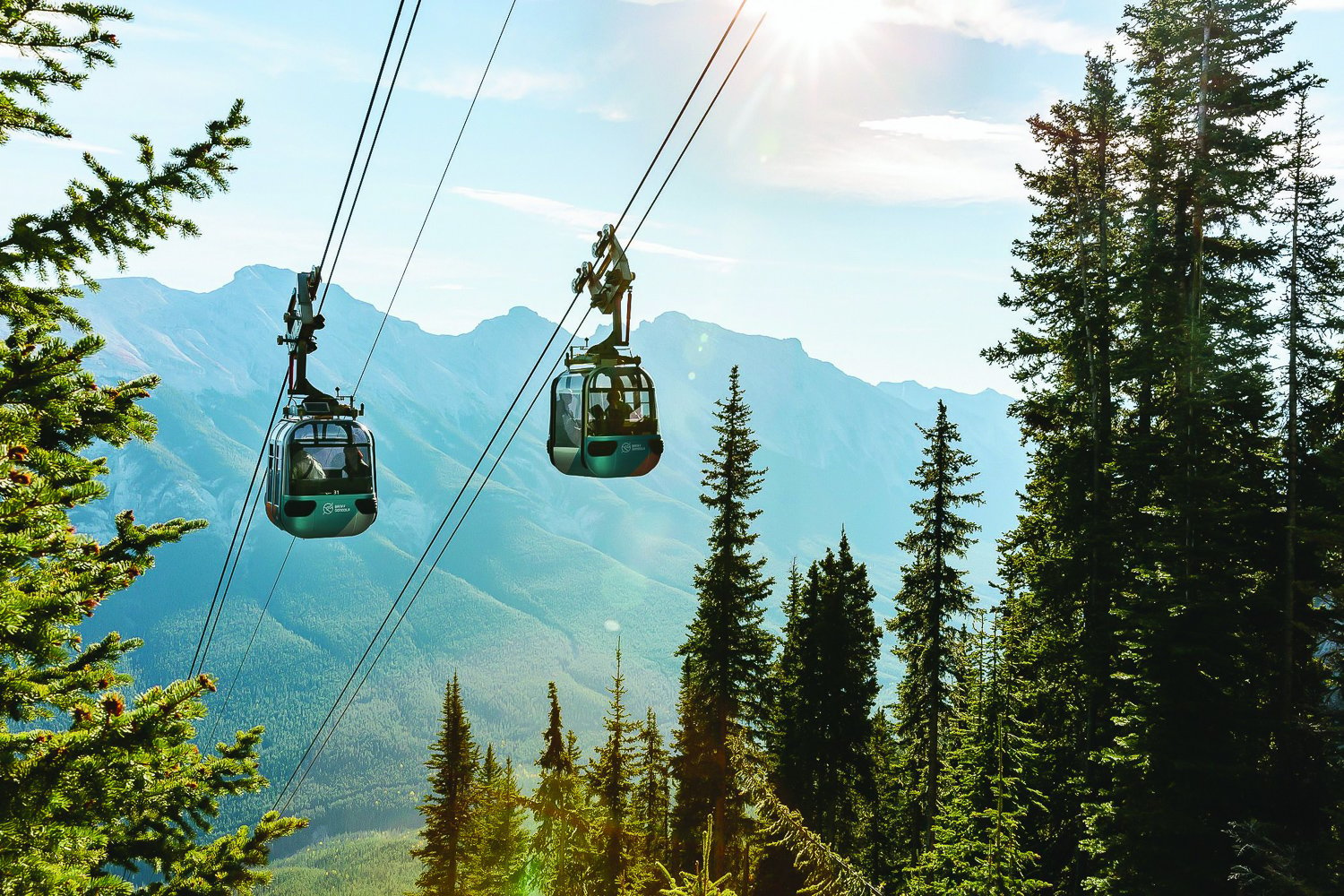
Sulphur Mountain Gondola Experience
|
Flexible timing | ★ 4.7 | — | — | — | — | €58 | Book → |
|
Standard Entry
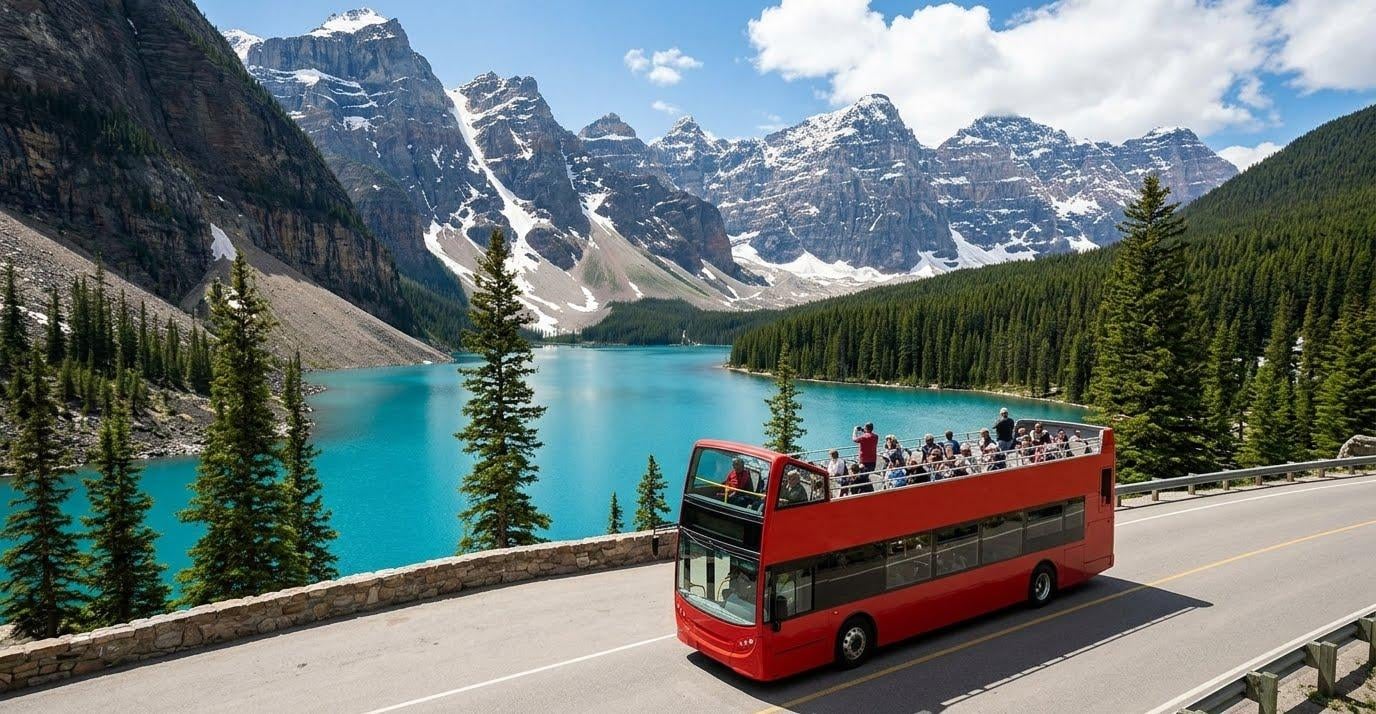
Moraine Lake Open-Top Shuttle with Lake Louise Access
|
Flexible (hourly return shuttles) | ★ 4.5 | — | — | — | — | €45 | Book → |
Worth it for desert immersion seekers
Lake Aydarkul yurt camp and resort offers free lake access with paid accommodation and tour add-ons—camel trekking, overnight yurt stays, and guided Kyzylkum Desert excursions form the core value. The setting delivers authentic nomadic hospitality near Nurata, where the turquoise expanse of Aydarkul meets sand dunes and seasonal birdlife. Worth it if you're after multi-day desert immersion rather than a quick photo stop: the experience rewards travelers who commit to at least one overnight stay and a sunrise camel trek. Skip it if your Uzbekistan itinerary prioritizes Silk Road architecture over nature—Bukhara and Samarkand lie hours away, and the yurt camp demands dedicated travel time. Day visitors see the lake but miss the evening stars and dawn light that justify the journey.
Bottom line: Lake Aydarkul yurt camp and resort rewards slow travelers seeking desert solitude, not monument-focused itineraries.
They complement each other; most visitors who do both call the lake-side desert camp the more thrilling, while mountain stays offer deeper cultural immersion.
|
Top pick Lake Aydarkul Yurt Camp and Resort |
Nuratau Mountain Homestays | |
|---|---|---|
| Primary focus | Desert adventure and lake access | |
| Landscape | Red sand dunes and shorelines | |
| Accommodation type | Traditional felt yurt | |
| Best season | Spring and autumn (summer heat) | |
| Typical activity | Camel trekking and stargazing | |
| Transport | Direct drive from major cities | |
| Duration | 1–2 days per visit | |
| See tickets & prices |
Verdict: Choose a lake aydarkul yurt camp and resort tour if you want iconic desert landscapes and camel rides, or opt for a mountain village stay if you prefer quiet interaction with rural life.
Hand-picked experiences loved by thousands of travelers
1 hour
Explore Banff's largest glacial lake with mountain vistas, wildlife spotting, and indigenous history
8 hours
Free Cancellation
Explore Banff's iconic lakes, canyons, and peaks at your own pace aboard a classic yellow school bus
1.5 hours
Free Cancellation
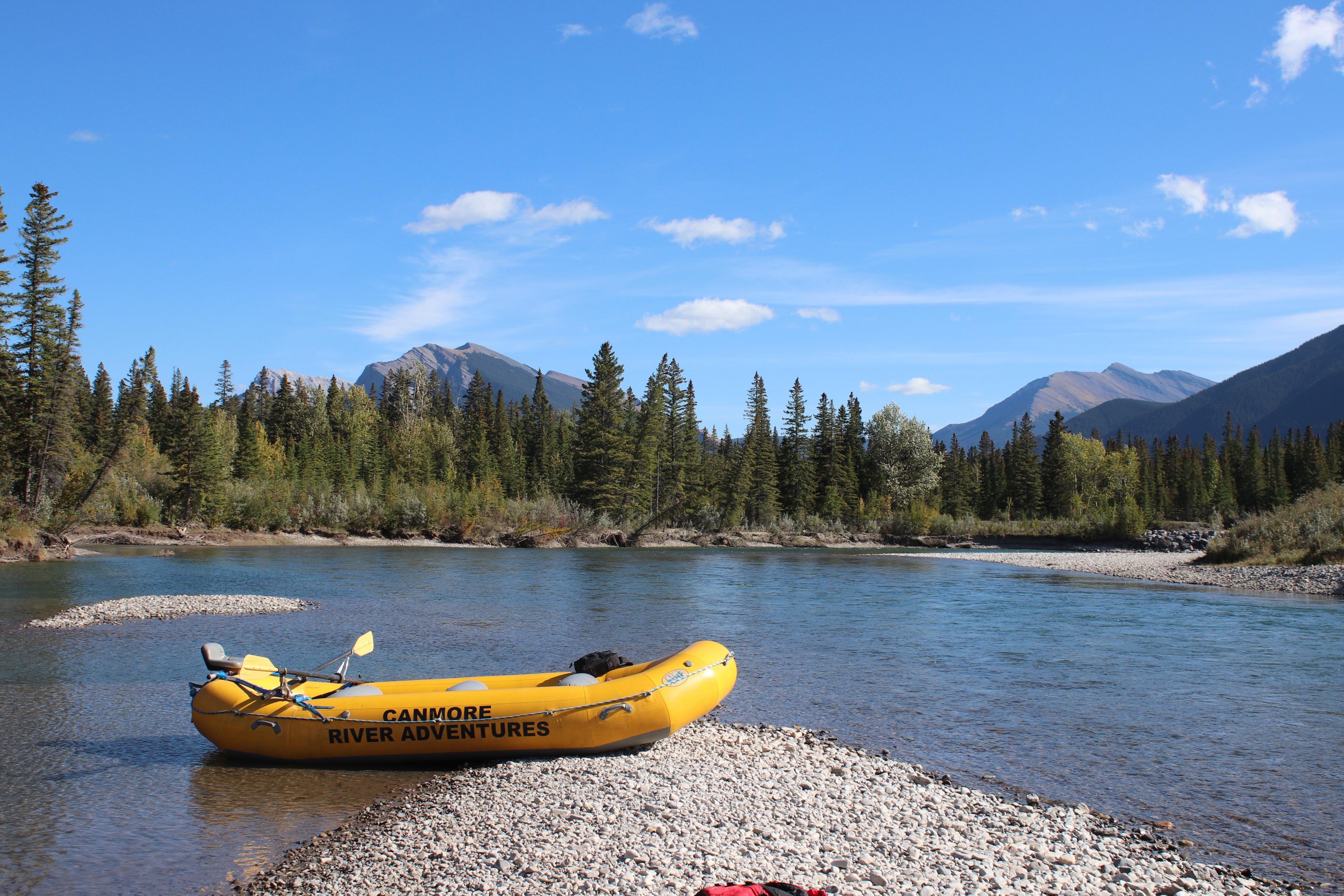
Drift through mountain valleys on a guided river journey with wildlife sightings and expert commentary
2 hours
Free Cancellation
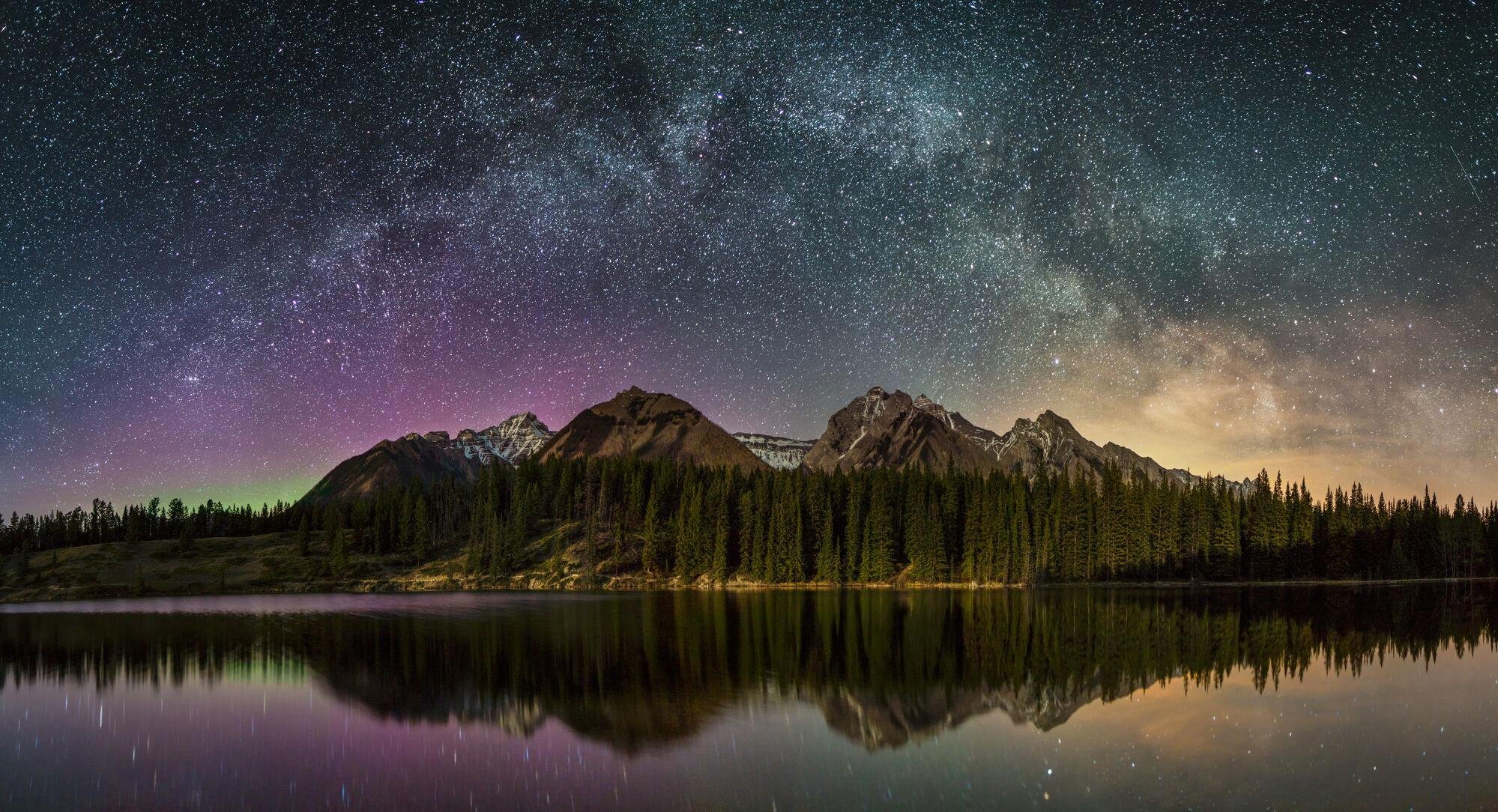
Hike tranquil mountain trails at dusk and witness the night sky awaken over the Canadian Rockies
1 hour
Free Cancellation
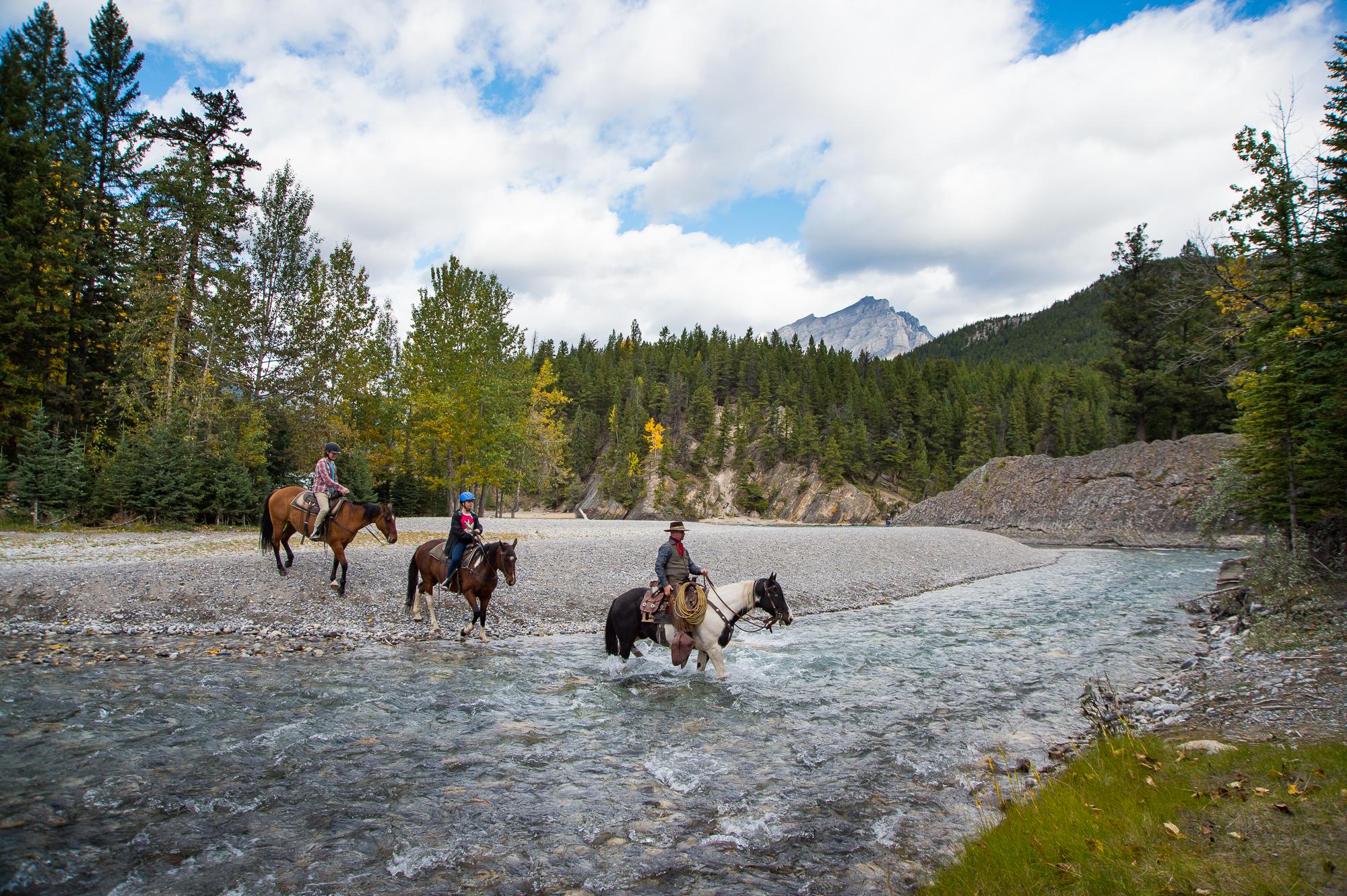
Ride through pine forests, cross the Spray River, and take in views of Bow Falls on this guided trail.
5–8 hours
Free Cancellation
Beat the crowds at two iconic alpine lakes with a small-group guided experience through the Rockies
3.5 hours
Free Cancellation
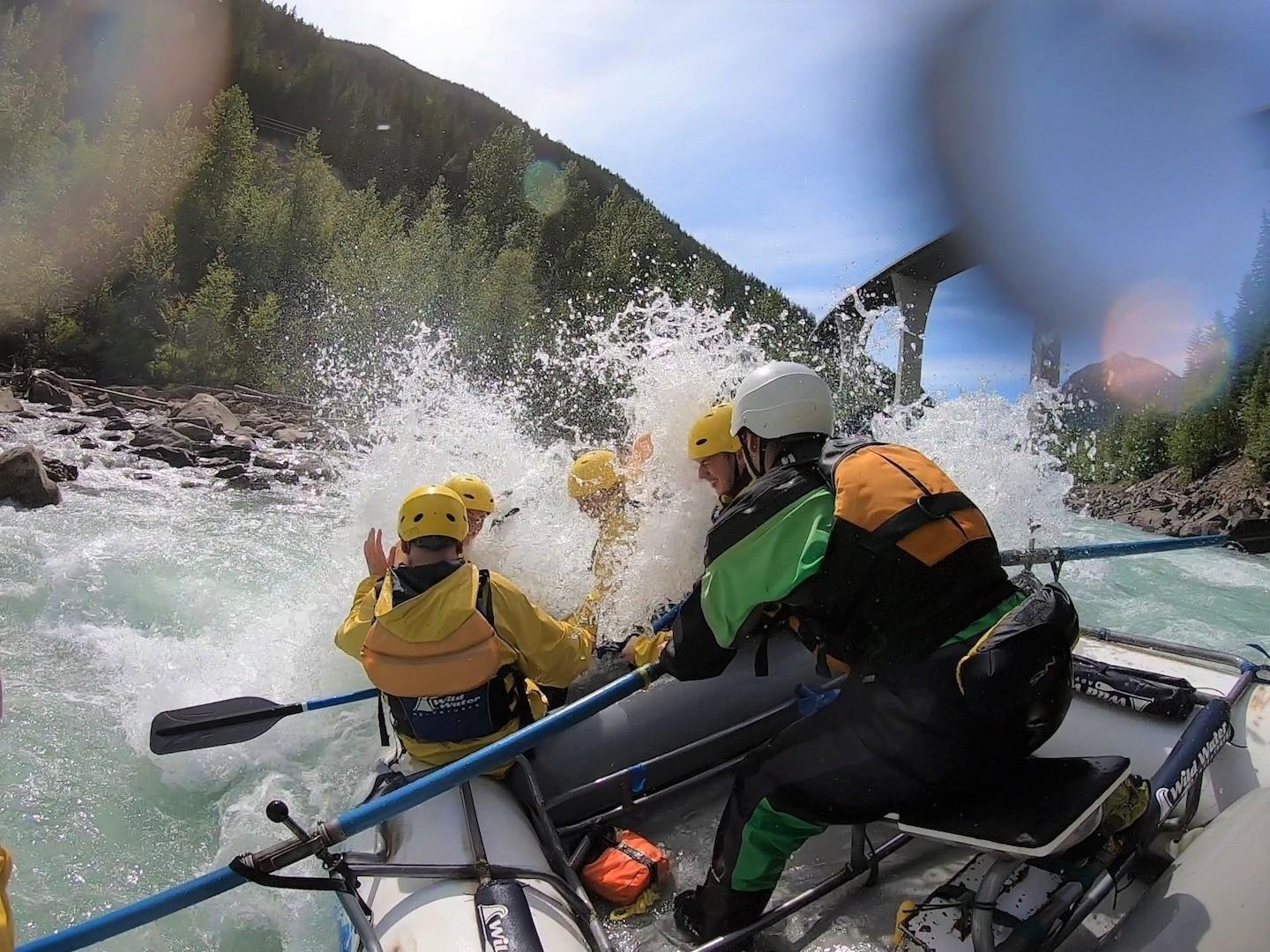
Navigate Class 2-4+ rapids through the Rockies' most thrilling whitewater canyon on a guided half-day expedition
10 hours
Free Cancellation
Explore turquoise alpine lakes, cascading waterfalls, and mountain viewpoints on this full-day journey
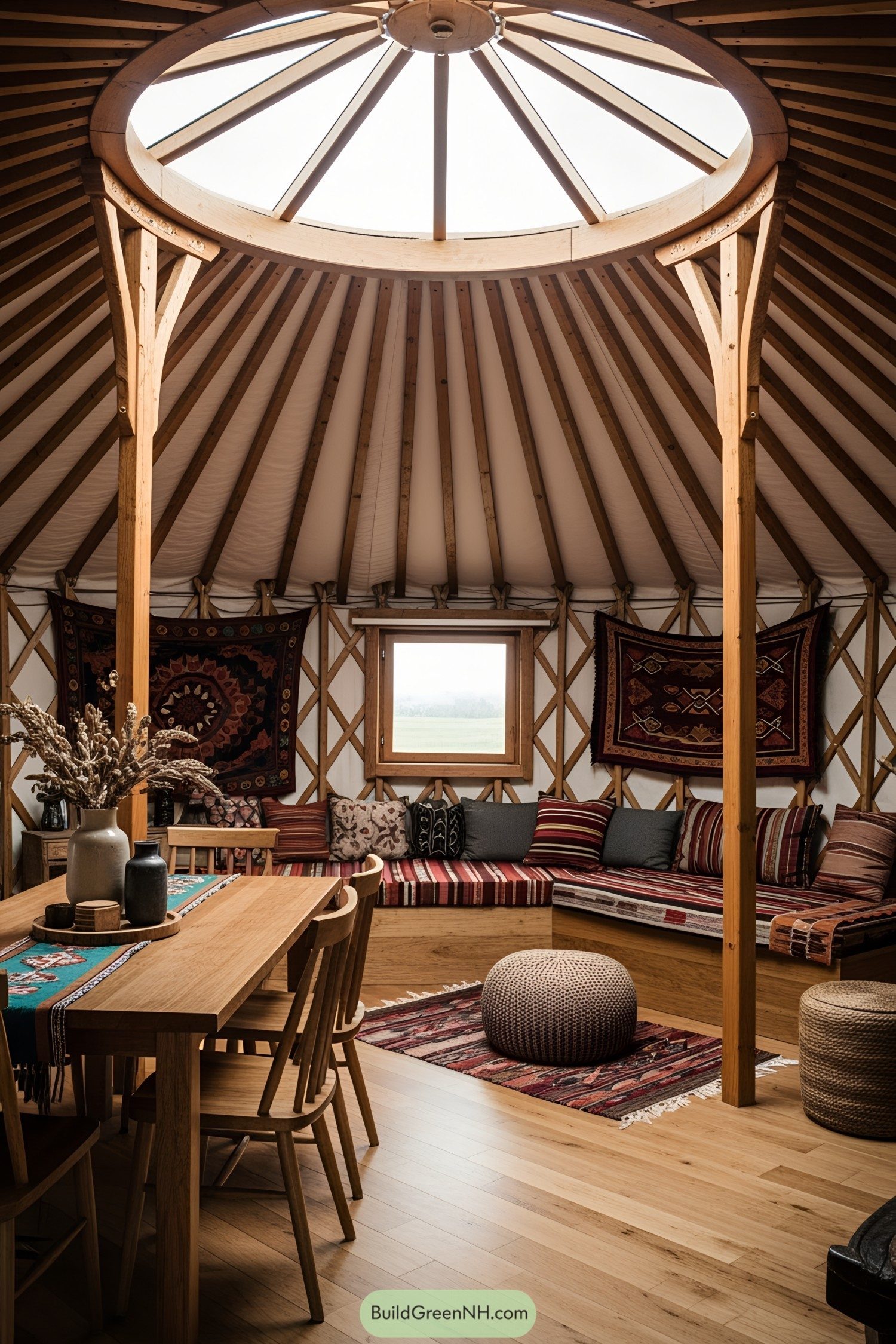
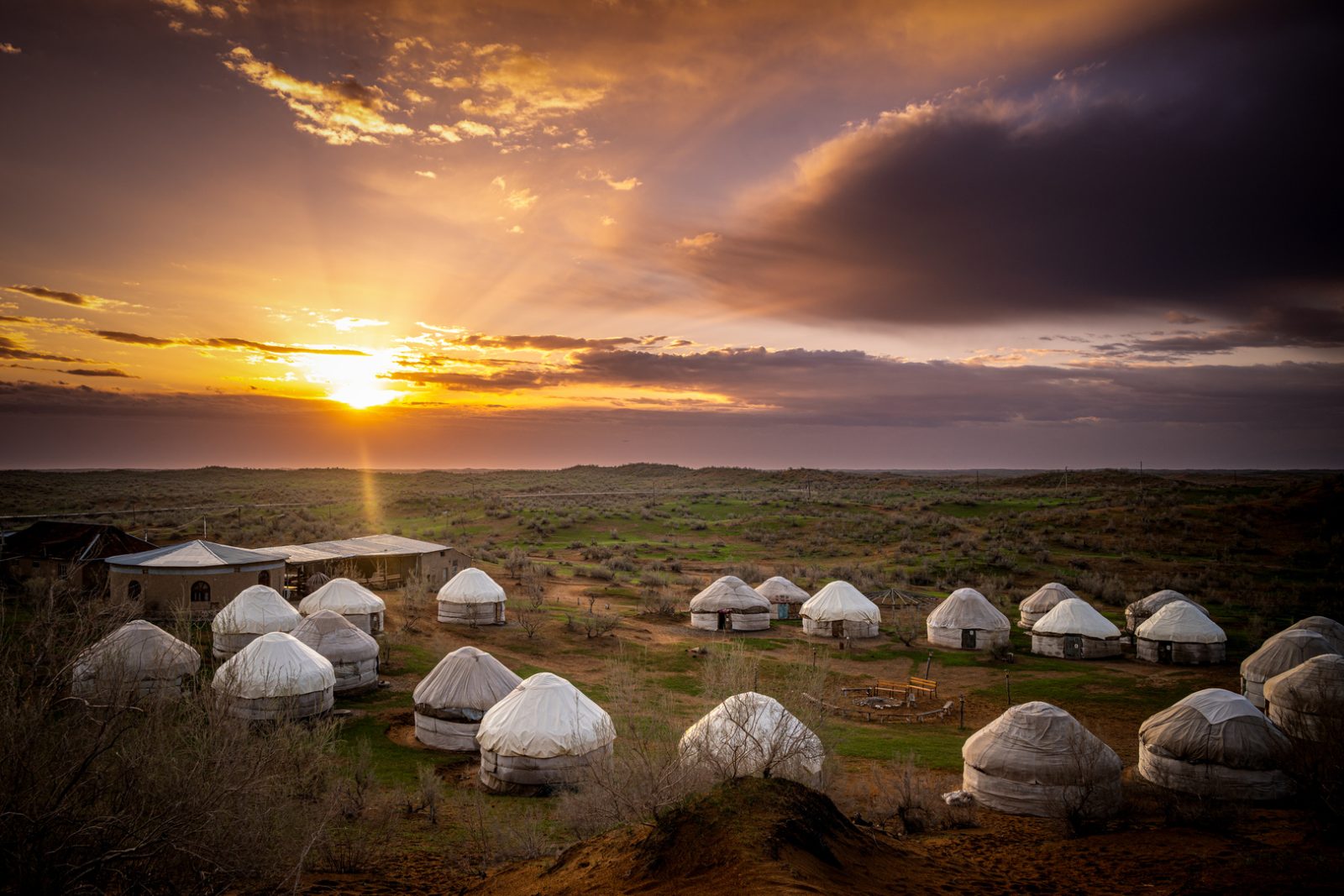
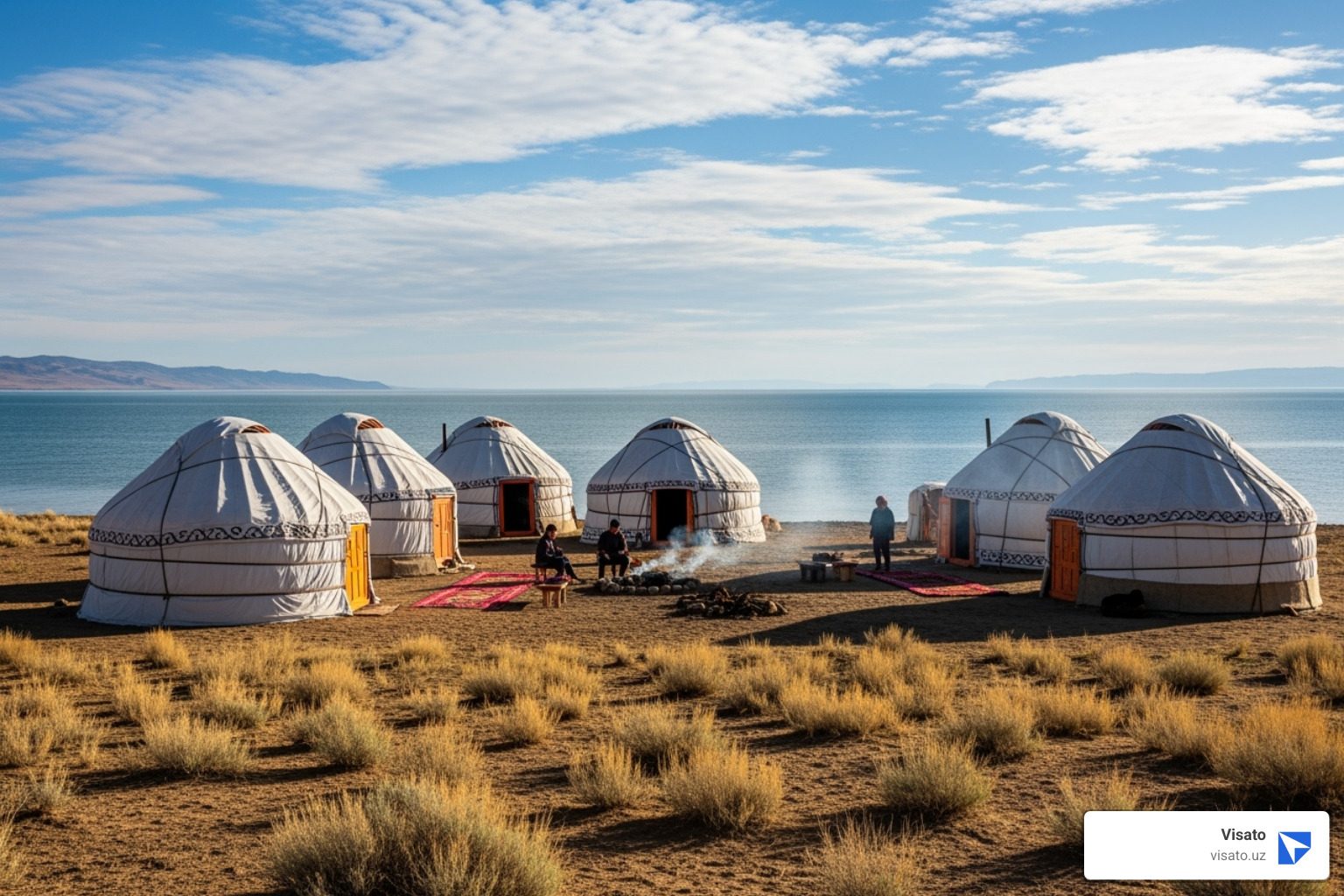
Authentic dwellings decorated with handmade carpets and felt shirdaks providing a cool interior in summer and warmth in winter.
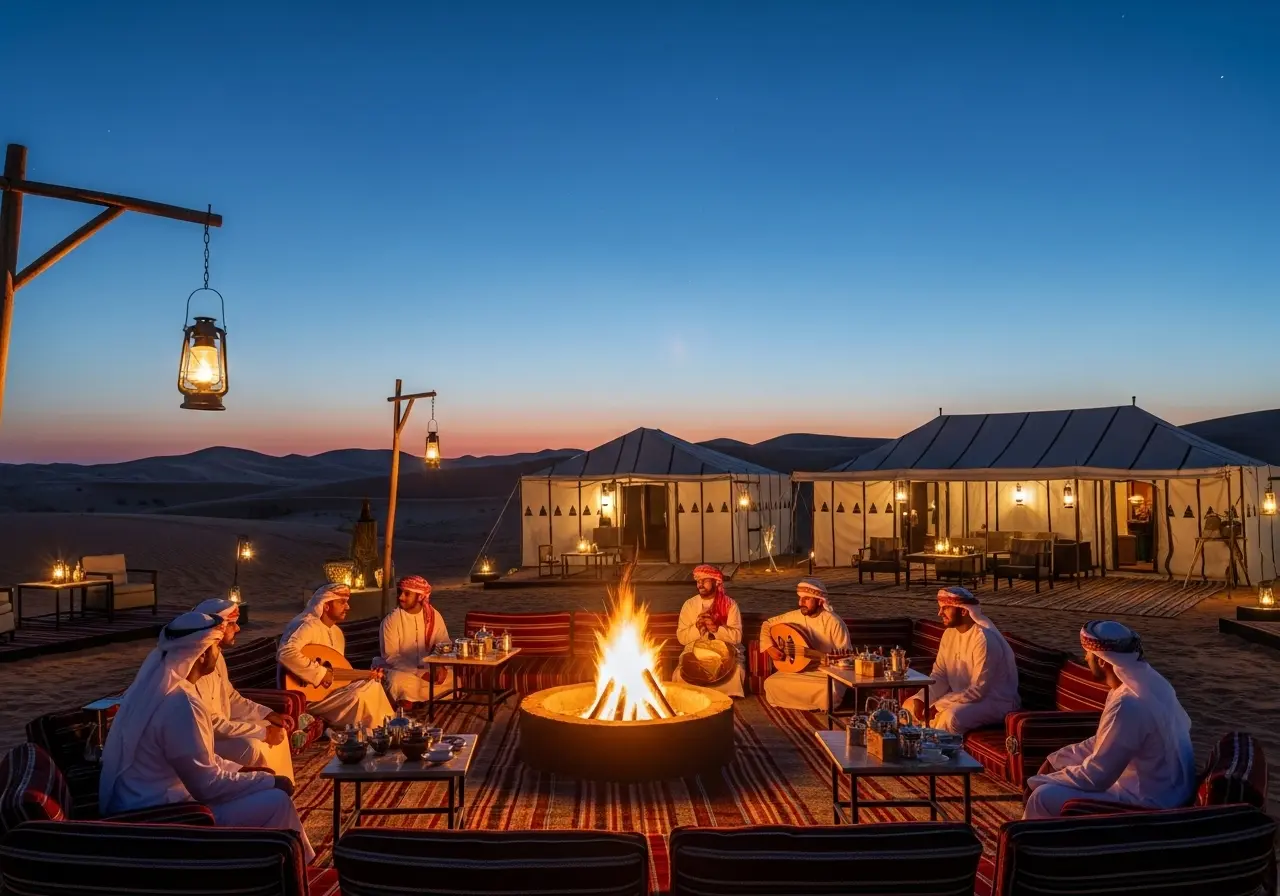
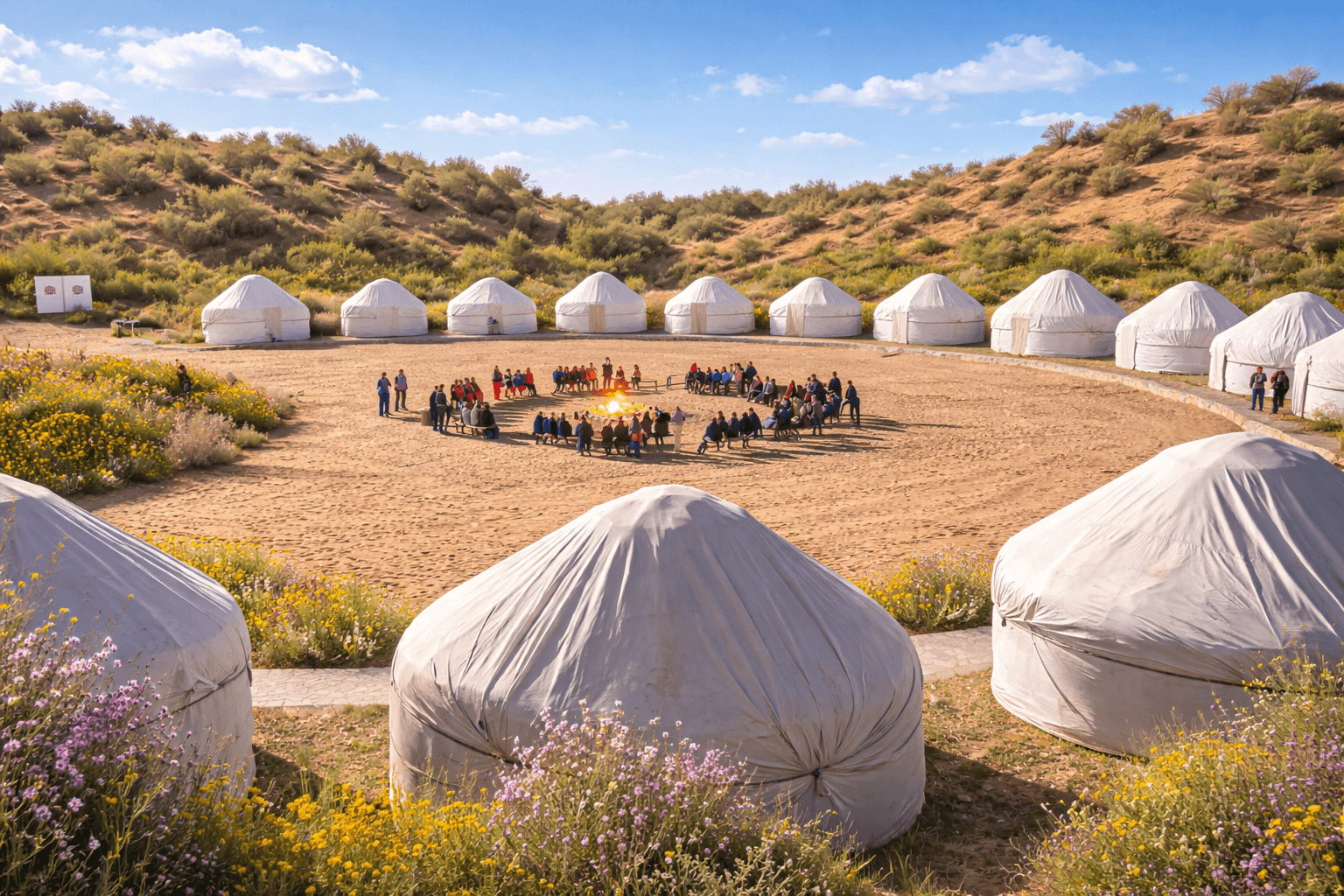
Evening sessions featuring local akyn musicians performing traditional songs under the clear desert stars.
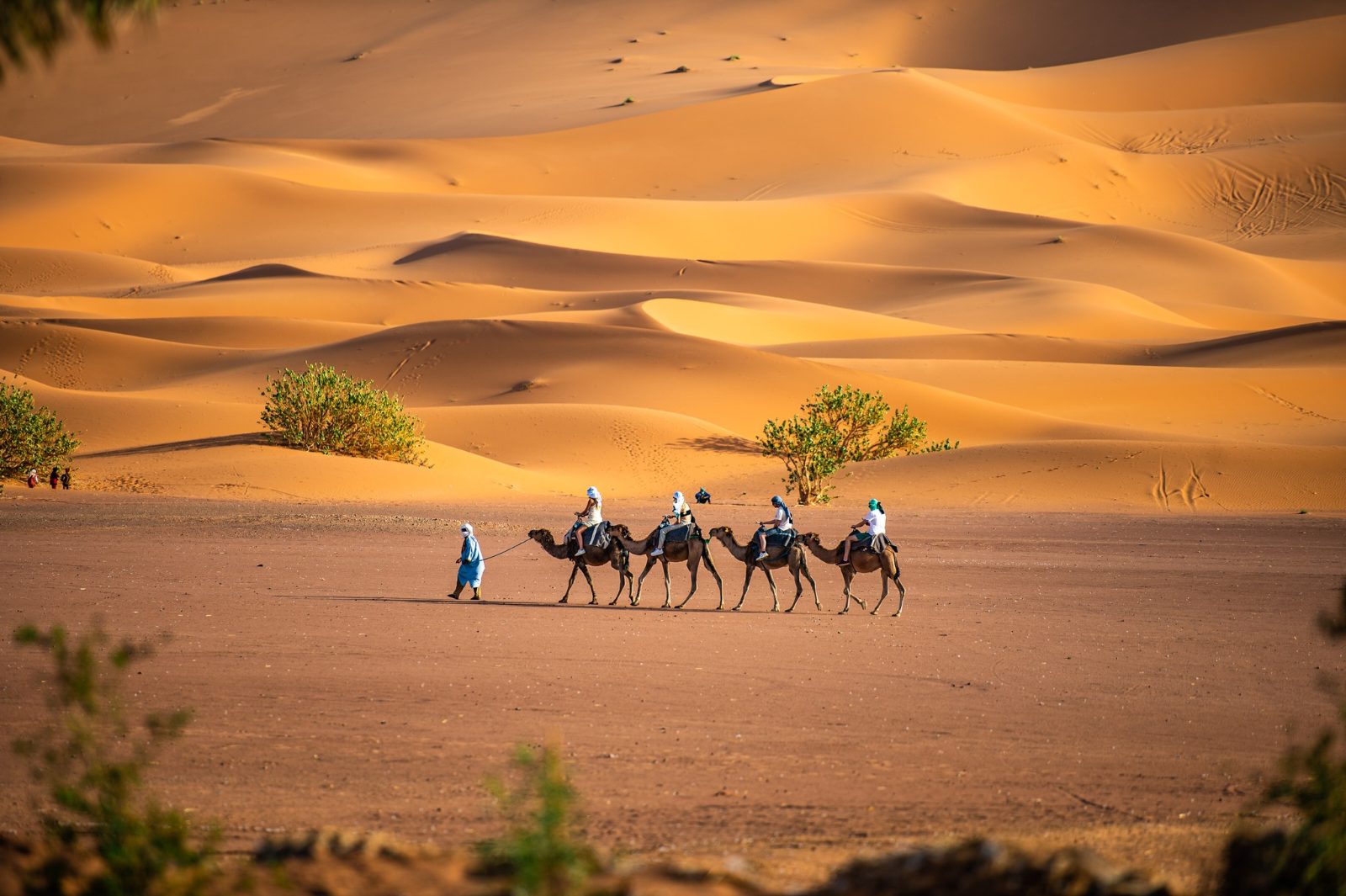
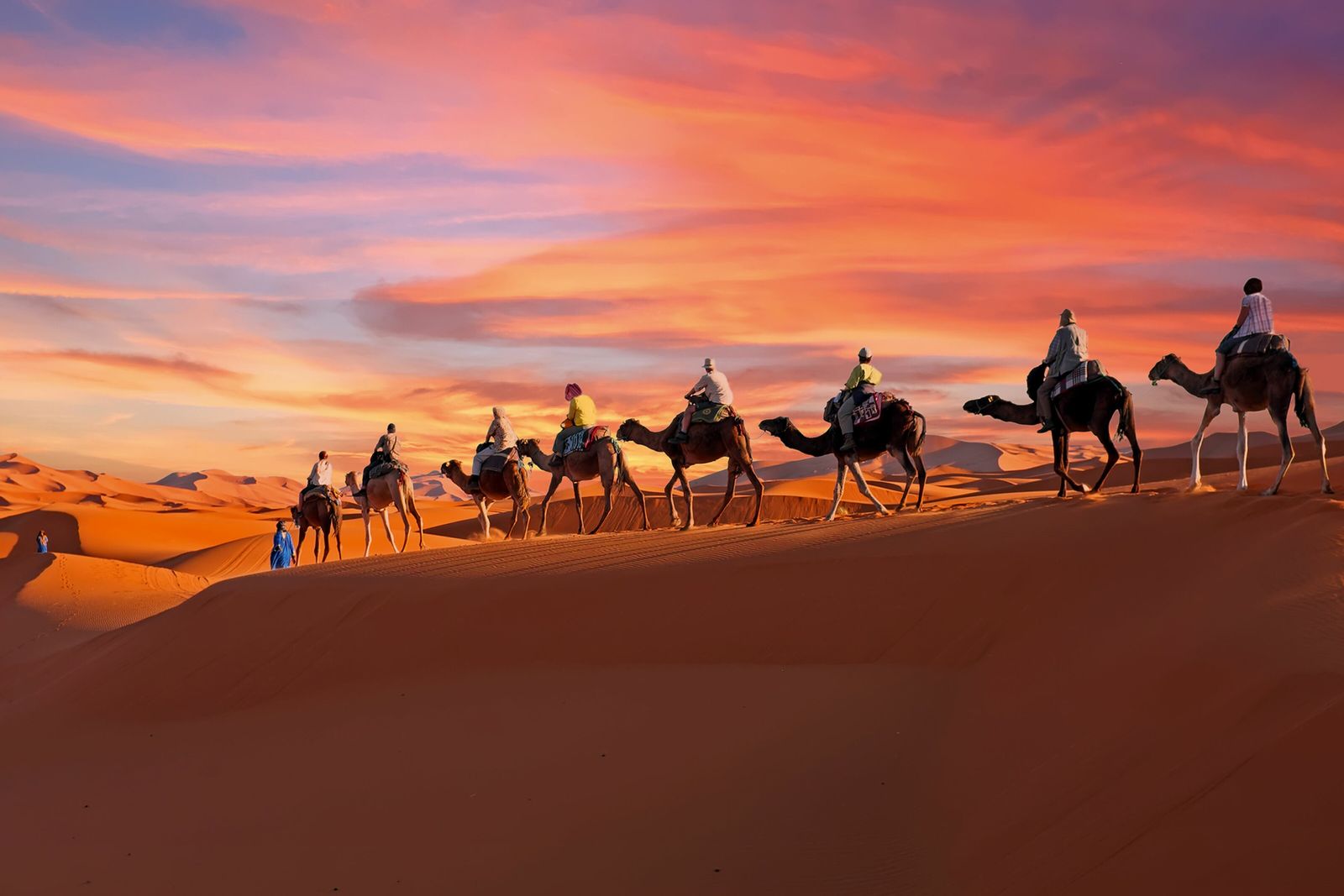
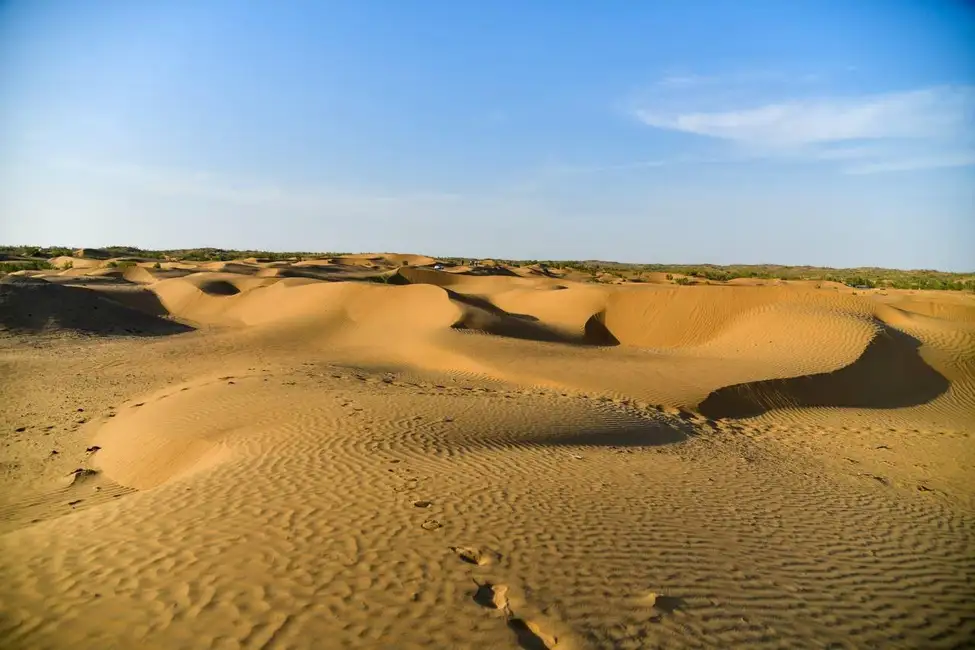
Vast golden dunes providing a striking backdrop for camel treks and sunrise landscape photography.
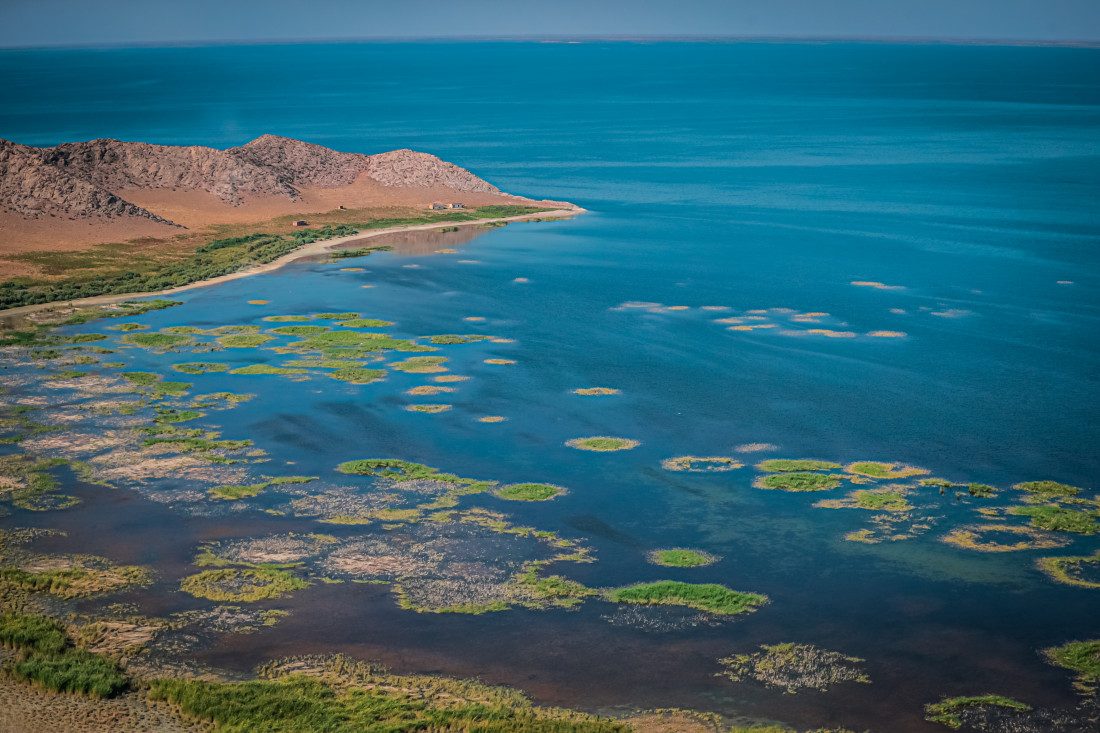
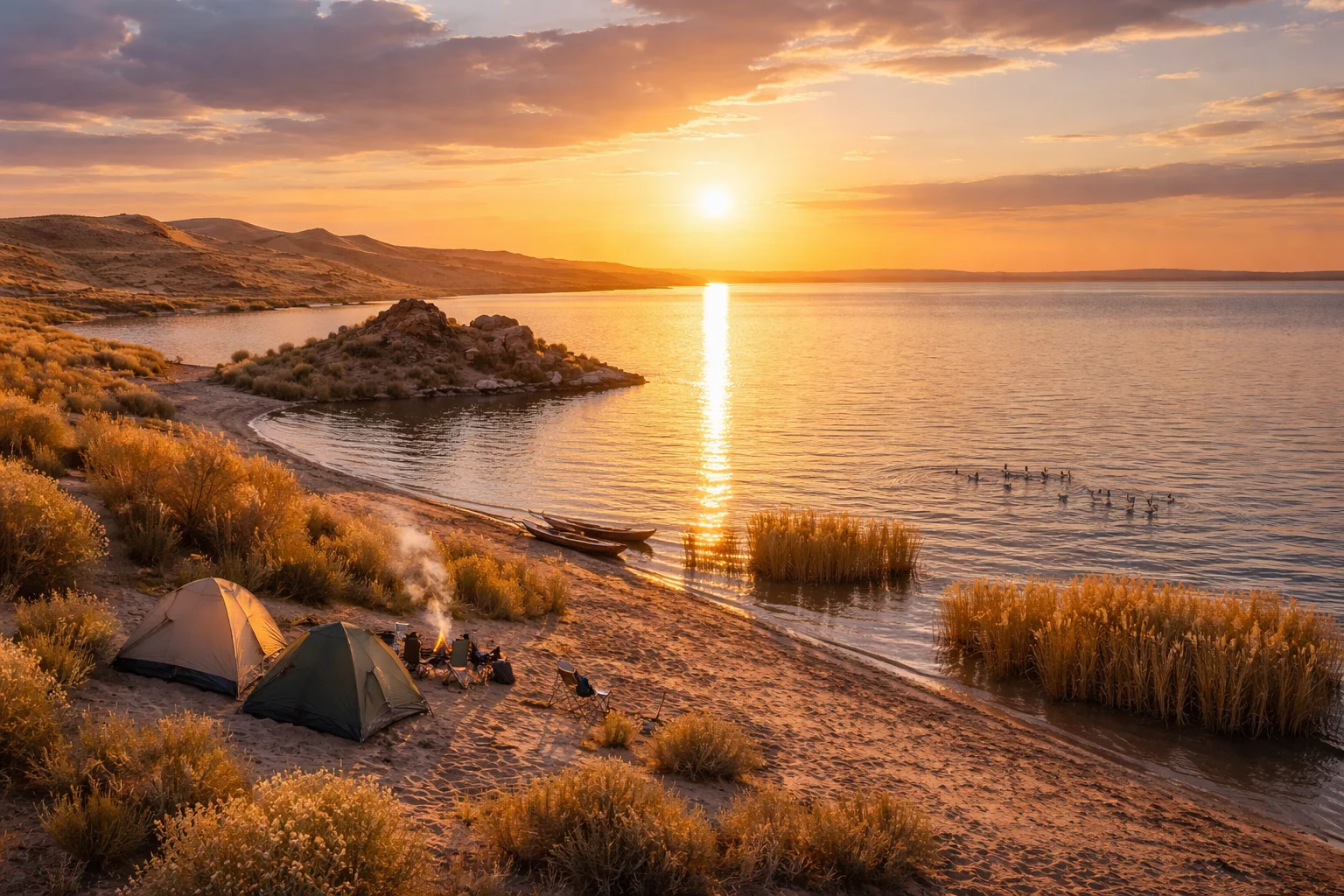
The turquoise waters created by a 1969 accident offer a unique contrast to the surrounding arid desert terrain.
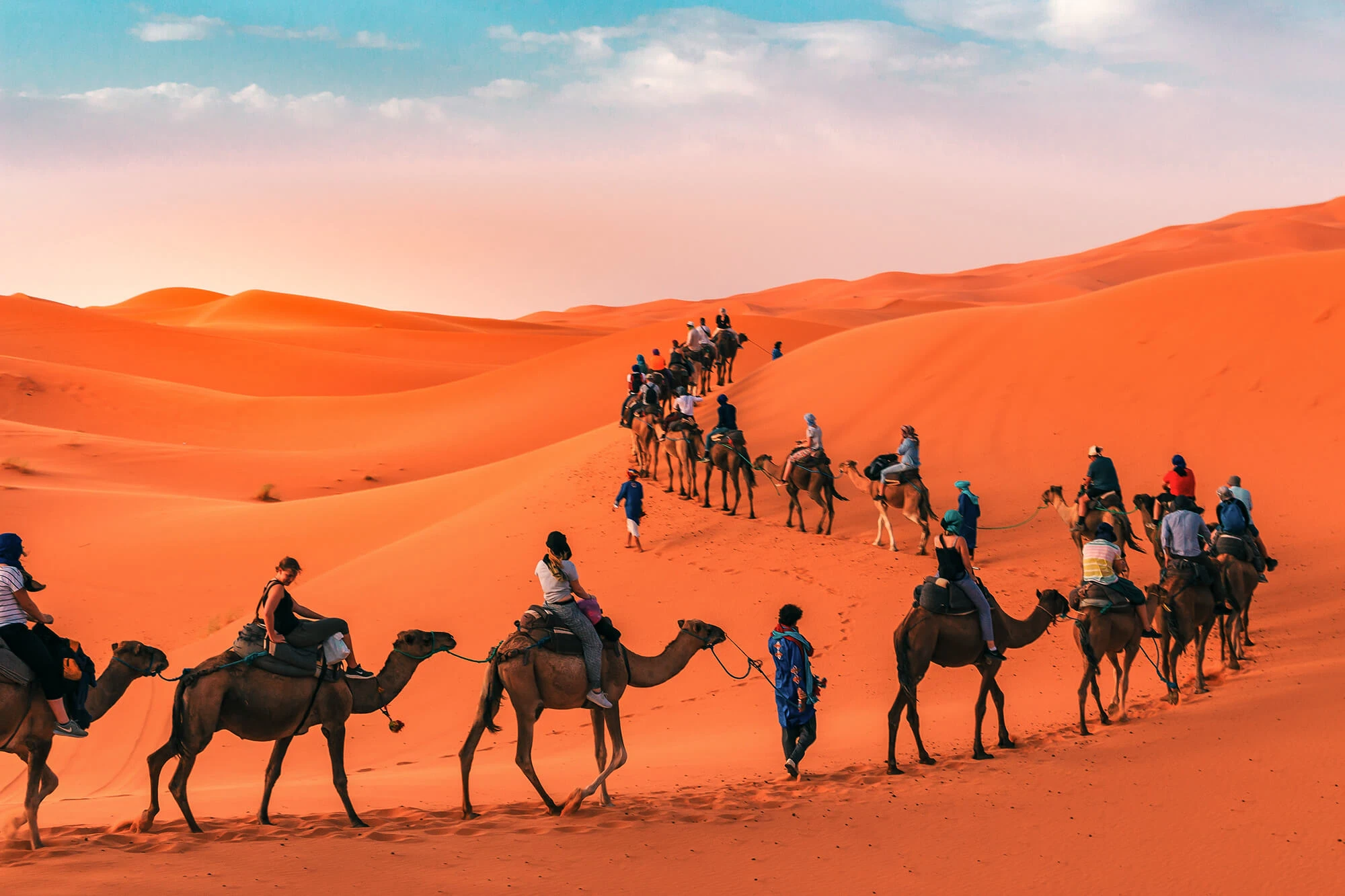
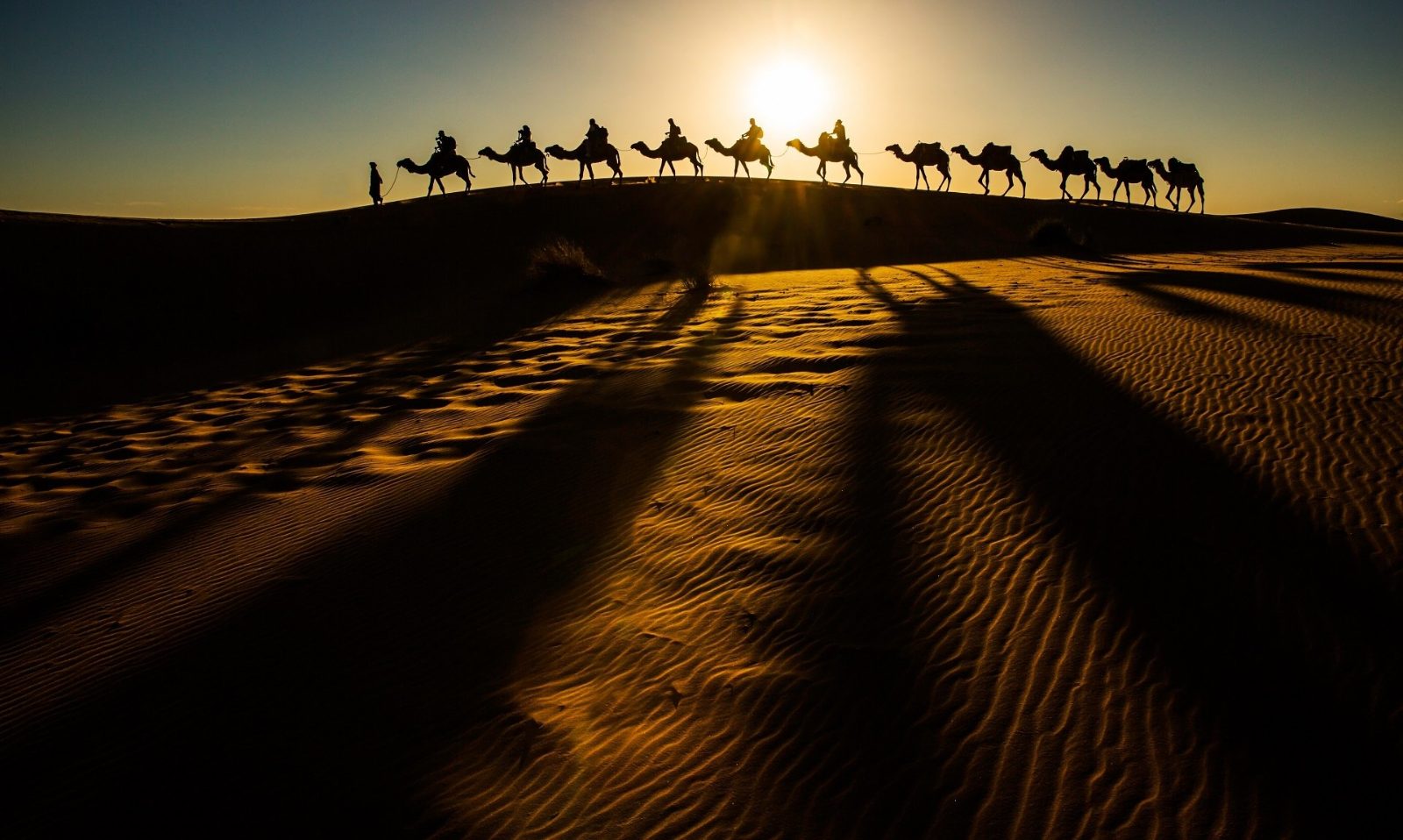
Trained Bactrian camels allow visitors to explore the desert landscapes surrounding the camp.
You arrive in late afternoon as the sun slants low over the Kyzylkum, casting the yurts in amber light. Your host, a herder whose family has summered here for three generations, shows you to your dwelling and pours green tea into porcelain bowls painted with pomegranate motifs.
You step outside and the lake stretches before you, its surface rippling silver and turquoise, rimmed by tamarisk thickets where herons nest. An hour before sunset you mount a Bactrian camel and ride north into the dunes, the animal's gait rocking you gently as the sand cools beneath its double-humped shadow.
Dinner is served at dusk around a low table inside the largest yurt. Mutton sizzles in cast iron, bread emerges from a clay oven buried in coals, and your host refills your bowl with kumis, the slightly sour mare's milk that herders drink daily. After the meal you walk to the lakeshore. The sky darkens, and within minutes a thousand stars emerge, their reflections trembling on the water. You hear only wind, the occasional bleat of sheep, and the distant call of a nightjar. By midnight the Milky Way bisects the dome of sky, and you understand why caravans paused here for centuries.
All the details about your upcoming adventure in one place
Lake Aydarkul stretches forty kilometers across the northern Kyzylkum Desert, a man-made reservoir born in 1969 when Soviet engineers diverted the Syr Darya River to irrigate cotton fields downstream.
The unintended result was an inland sea that now sustains migratory flamingos, pelicans, and cormorants where once only sand and saxaul shrubs survived. The lake sits seventy kilometers southeast of Nurata, a Silk Road town older than Samarkand, and its eastern shore has become a gathering point for seminomadic herders who pitch felt yurts each spring and autumn, maintaining a tradition that predates the reservoir by centuries.
Today Lake Aydarkul yurt camp and resort anchors a cluster of seasonal encampments near the village of El'tay, offering travelers a window into Karakalpak and Kazakh pastoral life without the logistical barriers that once kept the Kyzylkum inaccessible. The camps operate year-round, though summer and late spring see the highest occupancy as international visitors arrive for camel treks and birdwatching excursions. Each yurt is fitted with traditional shyrdak felt rugs, carved wooden furniture, and cotton bedding, yet most camps have added solar panels and composting toilets to meet modern expectations. The surrounding desert remains unlit, making the site one of Central Asia's premier dark-sky destinations. On clear nights the Milky Way arcs visibly from horizon to horizon, and guides point out constellations that Silk Road caravans used for navigation a millennium ago.
The cultural significance of the yurt itself cannot be overstated. These lattice-framed dwellings, called "uy" in Kazakh, were engineered over centuries to withstand steppe winds while remaining portable enough to dismantle in under an hour. The circular layout reflects cosmological beliefs: the central crown, or tunduk, symbolizes the sky, while the radiating roof poles represent the sun's rays. Guests at Lake Aydarkul yurt camp and resort sleep beneath these ancient geometries, their curved walls amplifying the sound of wind and the distant calls of shore birds. Meals are served communal-style on low tables, with mutton plov, fresh bread, and fermented mare's milk typical of the menu. The camps also coordinate camel safaris into the dunes north of the lake, where Bactrian camels—descendants of Silk Road pack animals—carry riders across ridges that shift shape with each season's wind.

On clear nights the Milky Way arcs visibly from horizon to horizon, and guides point out constellations that Silk Road caravans used for navigation a millennium ago.
Modest clothing is recommended when exploring nearby villages or historical sites. Comfortable, light-layered desert attire is ideal for the lake aydarkul yurt camp and resort.
Keep valuables in your sight at all times. Personal belongings should be stored within your assigned yurt at the lake aydarkul yurt camp and resort.
Photography is encouraged throughout the site. Please ask permission before capturing close-up portraits of local staff or residents in the area.
The resort is family-friendly with open spaces for children to explore. Supervise children closely near the water at lake aydarkul yurt camp and resort.
The terrain consists of natural sand and gravel paths. Accessibility may be limited for those with significant mobility issues at the lake aydarkul yurt camp and resort.
Full-board meals are often included in stay packages, typically featuring traditional Uzbek cuisine. Alcohol and soft drinks are generally available for extra purchase at the lake aydarkul yurt camp and resort.
Opening Hours
00:00–23:59
Address
El'tay, Kyzylkum Desert, near Nurata, Navoiy Region, Uzbekistan
Accessibility
Ground-level yurt access; contact local operator for specific mobility assistance
Best Arrival
09:00–18:00
Storage
Not available; keep belongings inside your private yurt
Navigation
Follow desert tracks; GPS coordinates recommended for lake aydarkul yurt camp and resort
Cancellation policies vary by accommodation type. Please verify specific terms during your booking of lake aydarkul yurt camp and resort tickets.
Recommended time
Half a day to overnight
Most guests spend a half day to experience camel trekking and landscape photography at the lake aydarkul yurt camp and resort. Visiting during the 09:00–18:00 window helps manage desert heat, though overnight stays are popular for stargazing and authentic Kyzylkum Desert immersion. You will find that lake aydarkul yurt camp and resort tours rarely involve long queues, as the vast geography naturally disperses visitors throughout the day. Consider booking lake aydarkul yurt camp and resort tickets in advance to secure accommodation options.
Crowd levels through the day
Aydarkul Lake emerged not by design but by disaster. In 1969, engineers diverted floodwaters from the Syr Darya River into the Arnasay Depression after downstream channels could no longer hold spring surges. The basin filled rapidly, submerging kilometers of steppe and forming a reservoir that stretched sixty kilometers across the Kyzylkum Desert. What began as an emergency spillway became Uzbekistan's second-largest lake, reshaping both ecology and livelihoods in Navoiy Region. By the mid-1980s, herders from nearby Nurata began moving seasonal yurts to the lake's northern shore. Felt tents that once sheltered families during winter pasture rounds were repurposed for the rare foreign researchers and adventure travelers crossing the desert. These informal camps offered little more than bedding and tea, but their proximity to the water and the novelty of desert hospitality drew interest. The collapse of Soviet infrastructure in the early 1990s pushed many families toward tourism as a survival strategy, and the lake aydarkul yurt camp and resort concept took root—modest clusters of yurts offering overnight stays with meals cooked over dung fires. Formal development arrived in the 2000s as Uzbekistan's government promoted Silk Road heritage tourism. Private operators consolidated scattered camps into permanent installations with timber platforms, solar panels, and vehicle access from the Nurata-Sentob road. The lake itself remained an accidental attraction—no temples, no monuments, only open water where emptiness had been. Camel treks and stargazing became the experiential anchors. By 2015, a network of camps operated under the camping.uz brand, standardizing yurt furnishings and introducing guided desert excursions. Today the site balances heritage performance with basic infrastructure, its history inseparable from the engineering accident that created the lake and the herding families who turned displacement into enterprise.
Syr Darya floodwaters diverted into Arnasay Depression, creating Aydarkul Lake as an emergency reservoir.
Nurata herders establish seasonal yurt camps on the northern shore for researchers and early travelers.
Collapse of Soviet economy pushes families to formalize hospitality services around the lake.
Government tourism initiatives lead to consolidated camps with permanent infrastructure and road access.
Camping.uz brand unifies operations, standardizing yurt accommodations and guided camel treks across multiple camps.
Stand on the highest sand ridge overlooking the Kyzylkum desert landscape to capture the vast horizon and the lake aydarkul yurt camp and resort from an elevated perspective.
Position yourself at the water edge to frame the calm surface of the lake against the backdrop of distant mountains, perfect for symmetric compositions during lake aydarkul yurt camp and resort tours.
Follow the trail used by local guides to photograph silhouettes of camels against the sprawling desert sands, a highlight for those booking lake aydarkul yurt camp and resort tour packages.
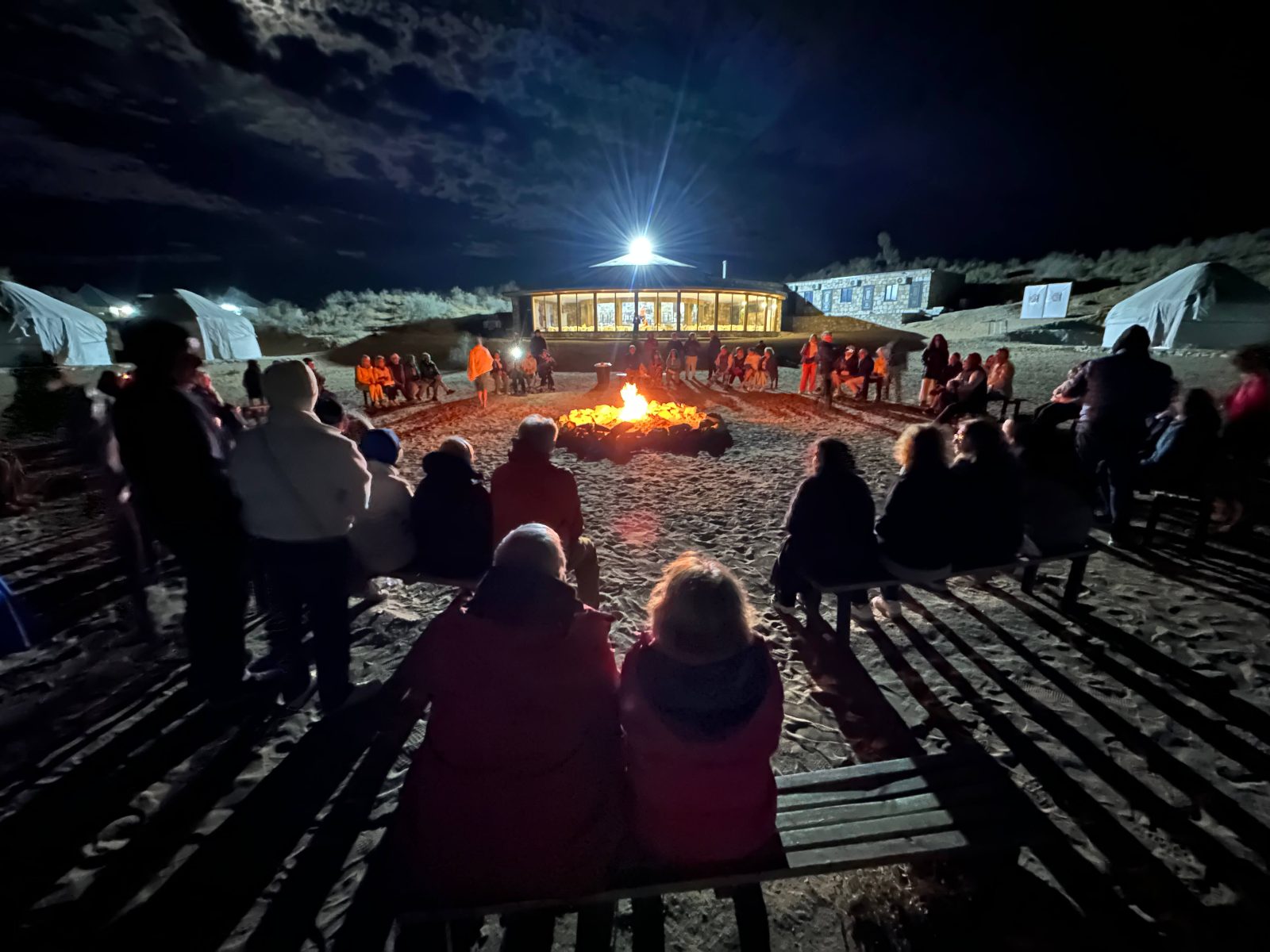
Capture the atmosphere of the evening social circle, where the warm glow of the fire contrasts with the deep blue desert twilight, ideal for guests with lake aydarkul yurt camp and resort tickets.
Visiting the lake aydarkul yurt camp and resort provides families with an authentic taste of nomadic life in the Kyzylkum Desert. Navigating this environment requires preparation for desert heat and communal sleeping arrangements.
The desert climate remains harsh, so bring high-SPF sunscreen, wide-brimmed hats, and lightweight long-sleeved clothing to shield children during lake aydarkul yurt camp and resort tours. Ensure hydration packs are filled before venturing out into the dunes.;Communal Sleeping
Dining at the lake aydarkul yurt camp and resort centers on authentic traditional cuisine served within the complex, as there are no external restaurants in the immediate vicinity. Most guests arrange meal packages through their lake aydarkul yurt camp and resort tours to ensure reliable service during their stay.
This central venue offers hearty Uzbek meals like plov, shashlik, and fresh nan bread cooked in a clay tandoor. It serves as the primary gathering point for breakfast, lunch, and dinner, especially for those holding lake aydarkul yurt camp and resort tickets.;Desert Oasis Refreshments
Everything you need to know for your journey
The site is open 00:00–23:59 daily.
There is a 0 UZS entrance fee, though accommodation and tour activities incur charges.
The best arrival window is 09:00–18:00 for optimal daylight activities.
Yes, children are welcome at the lake aydarkul yurt camp and resort.
Swimming is a popular activity, particularly from late spring to early autumn.
Most yurts are equipped with basic electricity for lighting and charging devices.
Yes, booking your stay at the lake aydarkul yurt camp and resort is highly recommended.
Mobile signal is often patchy; expect limited connectivity at the resort.
Bring sun protection, layers for the cool desert night, and personal toiletries.
Pets are allowed at the resort, though charges may apply.
Join thousands of happy travelers who have discovered this incredible experience
Book Your Experience Now