48 hr
Aydarkul Lake & Desert Yurt Camp Adventure
- Expert local guide
- Small group
- Skip-the-line access
- Free cancellation
Aydarkul Lake Tour — Desert Yurt Camps & Camel Treks
Where Kyzylkum dunes meet turquoise water, where nomad traditions shape your stay.
Compare fares, pick the fit — all bookings are mobile-voucher and eligible for free cancellation where shown.
48 hr
48 hr
48 hr
| Experience | Duration | Rating | Skip-the-line | Guide | Small group | Free cancel. | Price | |
|---|---|---|---|---|---|---|---|---|
|
Guided Experience
Most popular
Aydarkul Lake & Desert Yurt Camp Adventure
|
48 hr | ★ 4.9 | ✓ | ✓ | ✓ | ✓ | €172 | Book → |
|
Guided Experience
2-Day Desert Yurt Camp with Camel Trek & Aydarkul Lake
|
48 hr | ★ 4.5 | ✓ | ✓ | ✓ | ✓ | €173 | Book → |
|
Guided Experience
Two-Day Kyzylkum Desert Yurt Camp Experience
|
48 hr | ★ 4.1 | ✓ | ✓ | ✓ | ✓ | €155 | Book → |
Worth it for desert immersion seekers
The aydarkul lake tour delivers genuine value if you want raw desert experience beyond Uzbekistan's Silk Road cities. Entry to the lake itself is free, but the real draw is the multi-day yurt camp packages that bundle transport, traditional accommodation in the Kyzylkum Desert, camel trekking, and meals—typically spanning two days. You're paying for logistics and cultural immersion in a remote landscape where the turquoise lake meets sand dunes and nomadic heritage. The tours suit travelers who want to sleep under desert stars, ride camels at sunset, and experience yurt hospitality without arranging vehicles or guides independently. If your trip focuses only on Samarkand and Bukhara's architecture, the detour adds significant travel time. But for those craving contrast—open steppe, shifting sands, and nights far from city lights—these Aydarkul Lake tours justify the investment with an experience you cannot replicate elsewhere in Central Asia.
Bottom line: If desert culture and landscape matter as much as monuments, the aydarkul lake tour tours are among Uzbekistan's best-value immersive escapes.
They complement each other, though most visitors who do both call the aydarkul lake tour the more authentic desert experience.
|
Top pick Aydarkul Lake |
Charvak Reservoir | |
|---|---|---|
| Setting | Kyzylkum Desert | Tien Shan Mountains |
| Primary Vibe | Remote and nomadic | Active and recreational |
| Water Activities | Swimming and fishing | Jet skiing and parasailing |
| Accommodation | Traditional yurt camps | Resort hotels and cottages |
| Best Season | Spring or Autumn | Summer |
| Access Difficulty | Requires long desert drive | Easy drive from Tashkent |
| Entry Cost | 0 UZS (Free entry) | Varies by resort area |
| See tickets & prices |
Verdict: Choose Aydarkul lake tour tickets if you prefer silence and starlit desert nights, or select the mountain-backed Charvak Reservoir for water sports and mountain-resort energy.
Hand-picked experiences loved by thousands of travelers
2 days
Free Cancellation
Sleep under the stars in a family-run yurt, explore ancient Nurata, and experience genuine desert hospitality
2 days
Free Cancellation
Sleep under the stars in a traditional yurt and discover nomadic traditions in Central Asia's vast desert
2 days
Free Cancellation
Two-day desert escape with camel rides, starlit yurt stays, and Aydarkul Lake swimming
3 days
Free Cancellation
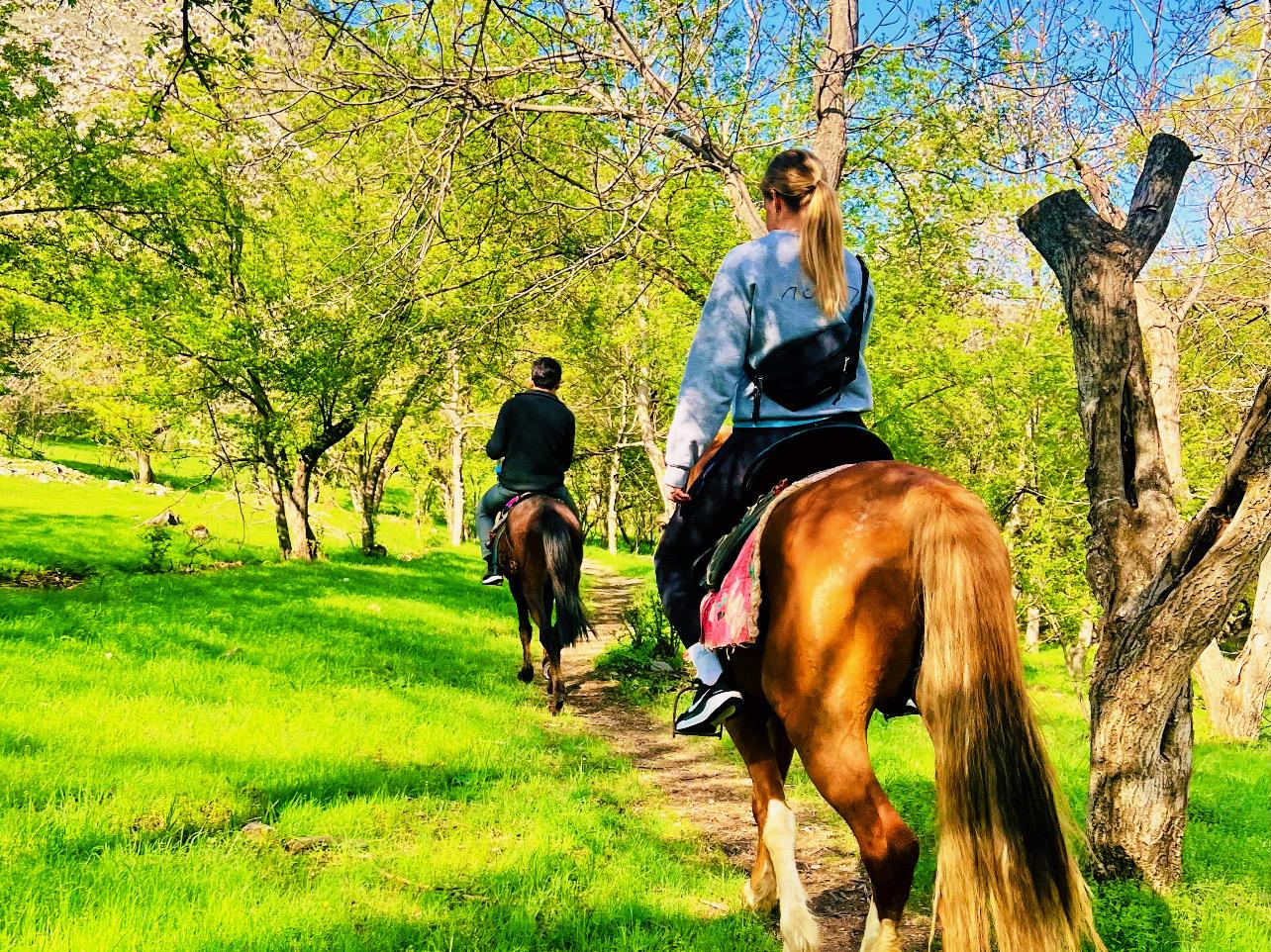
Journey deep into rural Uzbek life with mountain hikes, horseback trails, desert camping, and authentic village hospitality
2 days
Free Cancellation
Sleep in a traditional nomad yurt, ride camels across dunes, and listen to desert music under the stars
3 days
Free Cancellation
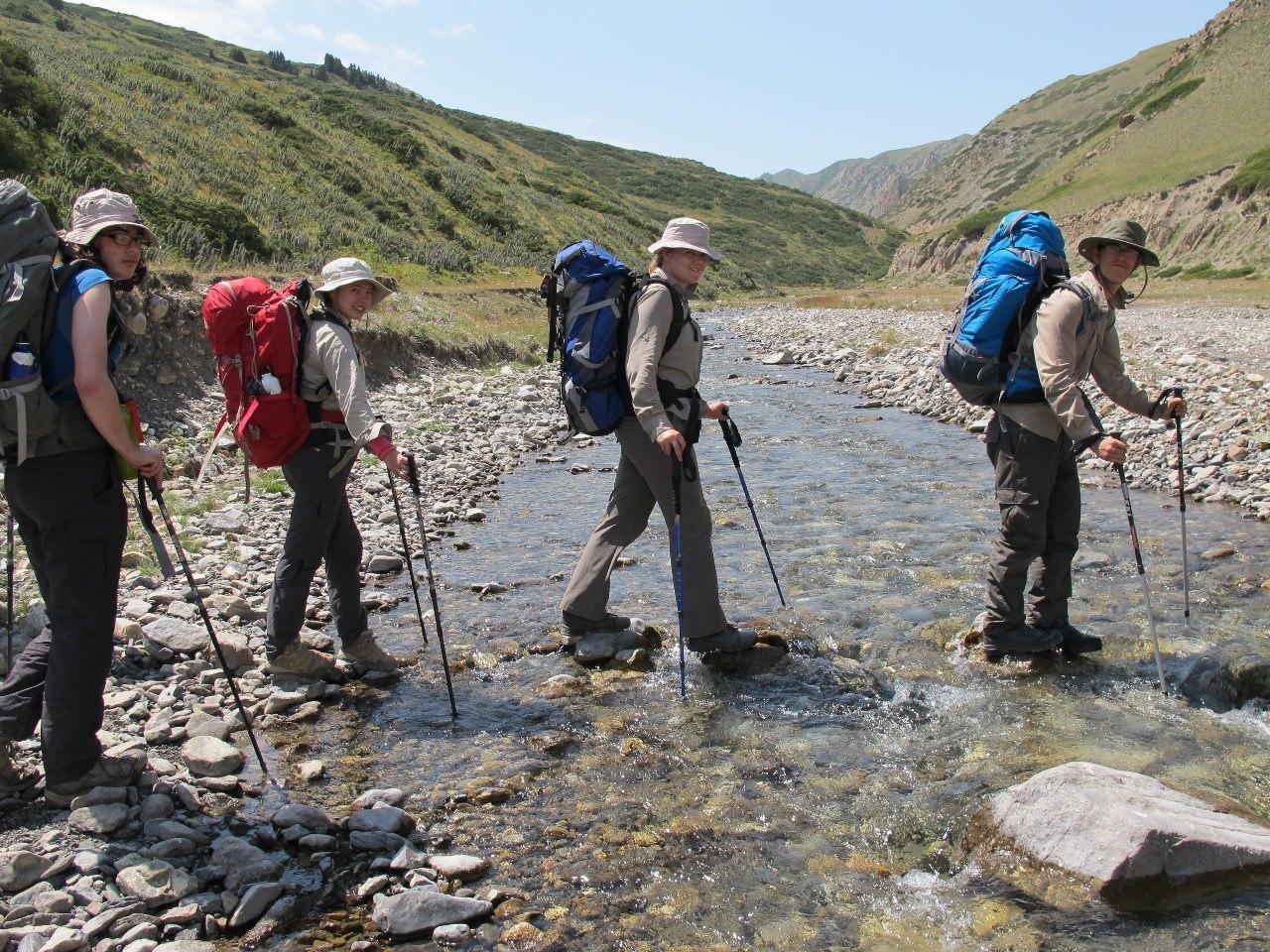
Sleep in a desert yurt, hike mountain villages, and experience authentic Uzbek hospitality on this unforgettable journey.
8 - 8.5 hours
Free Cancellation
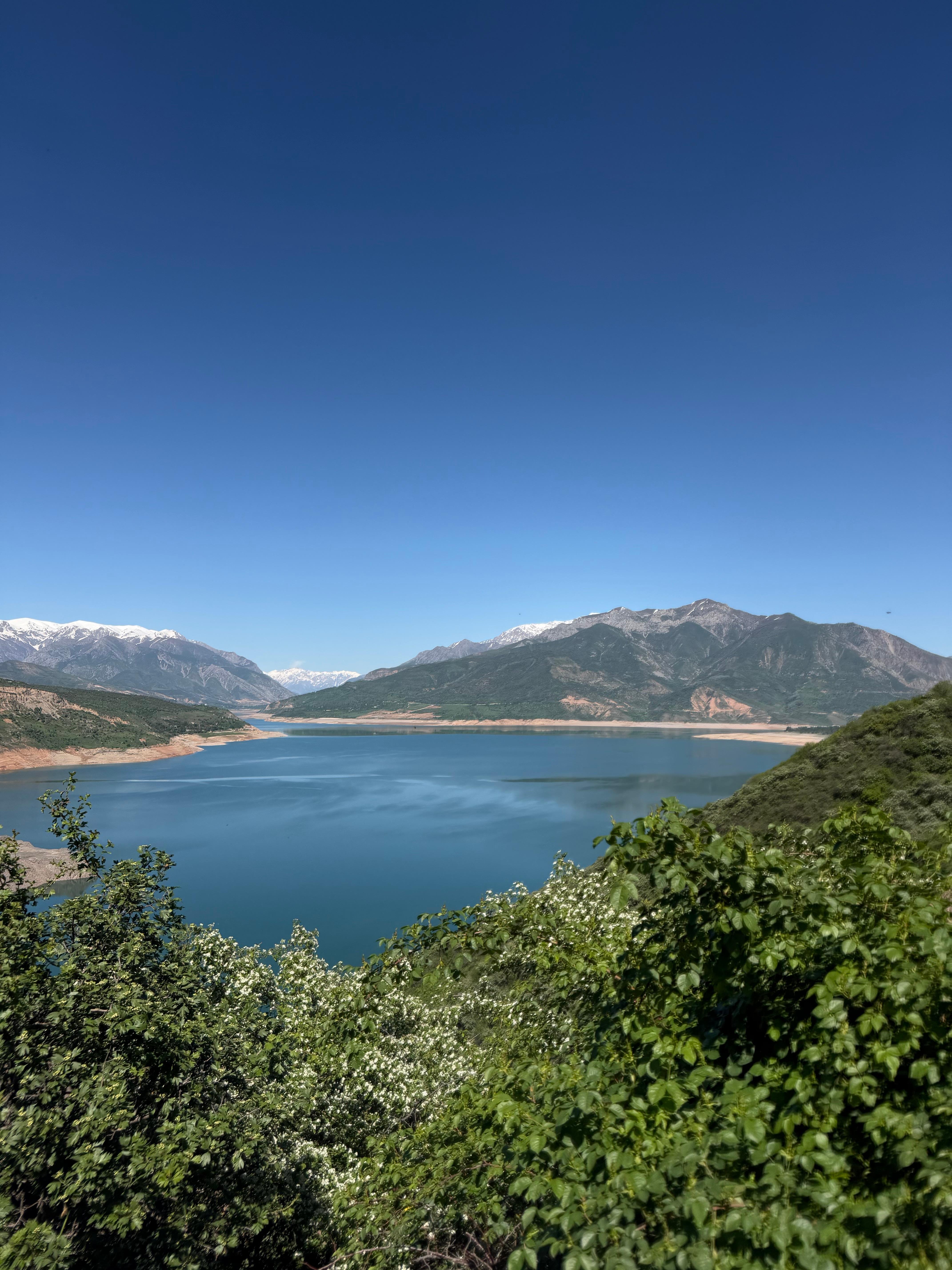
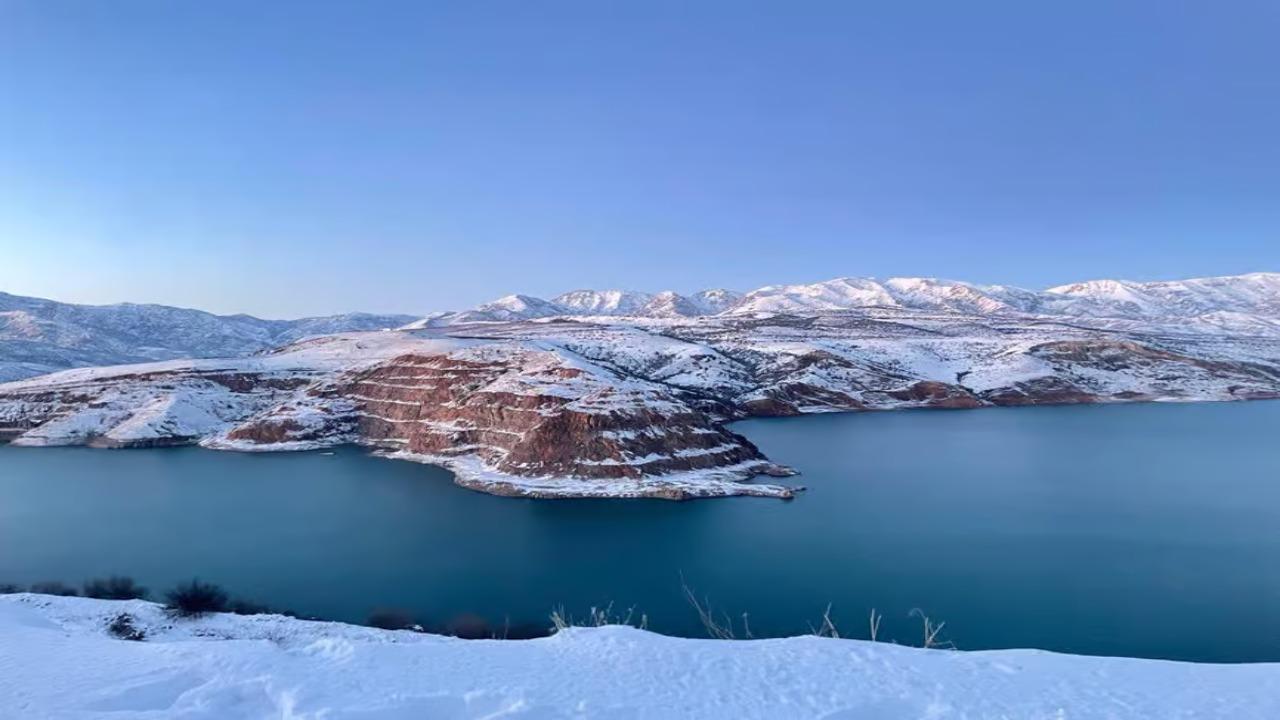
Full-day guided adventure through Uzbekistan's Western Tien-Shan peaks, alpine resorts, and turquoise reservoir
8 hours
Free Cancellation
Escape to Uzbekistan's alpine playground—cable cars, emerald valleys, and a shimmering mountain lake.
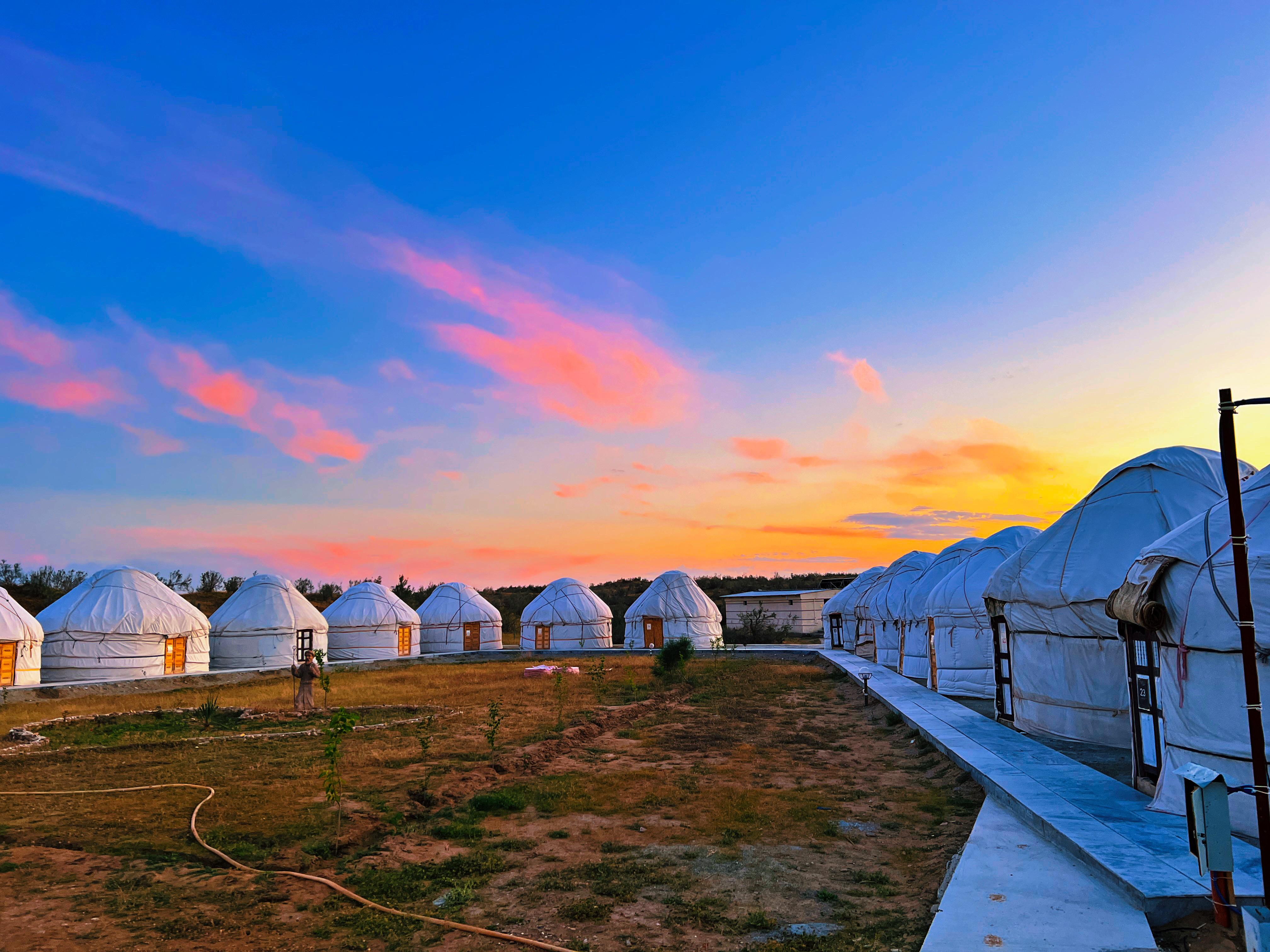
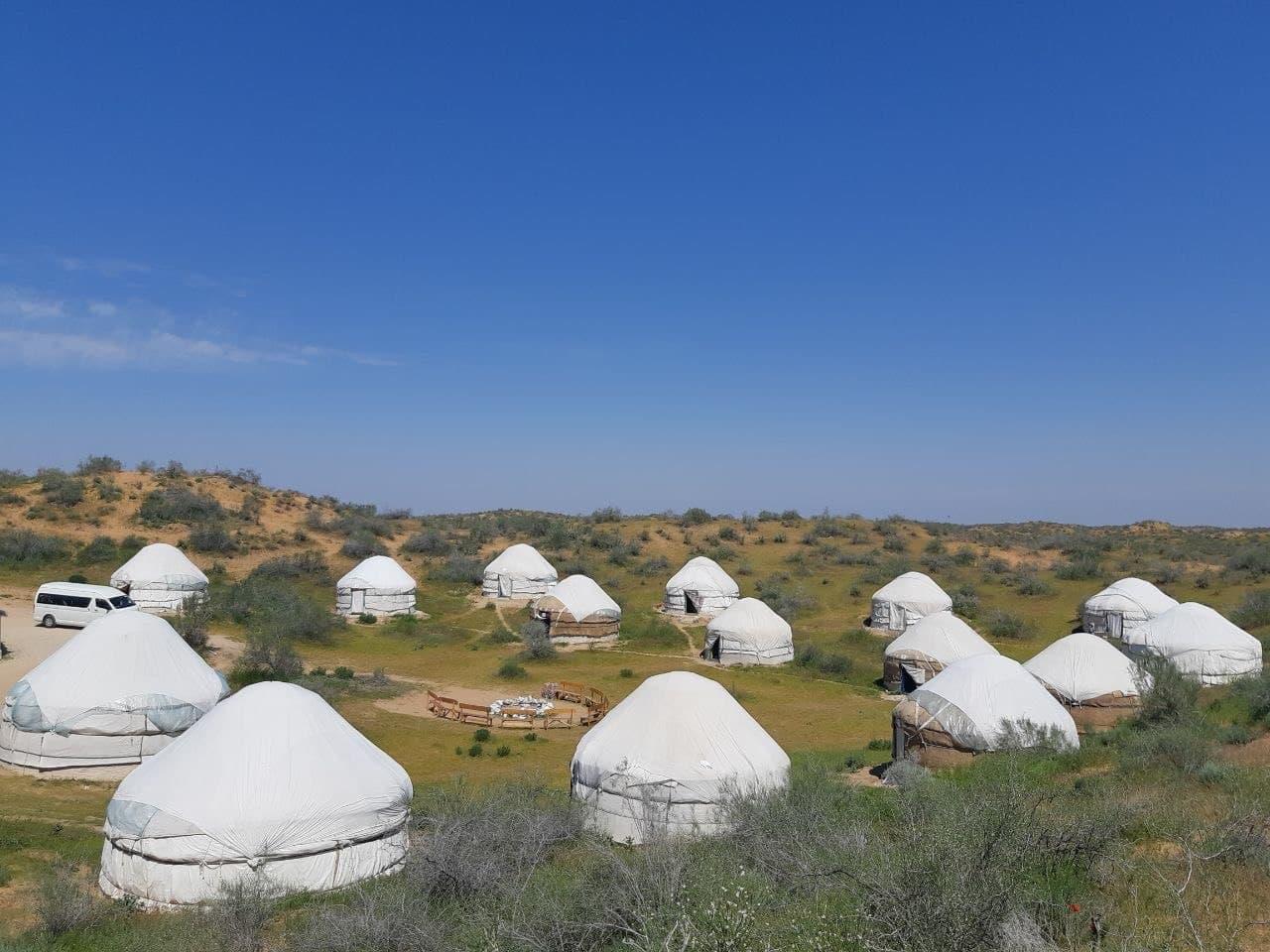
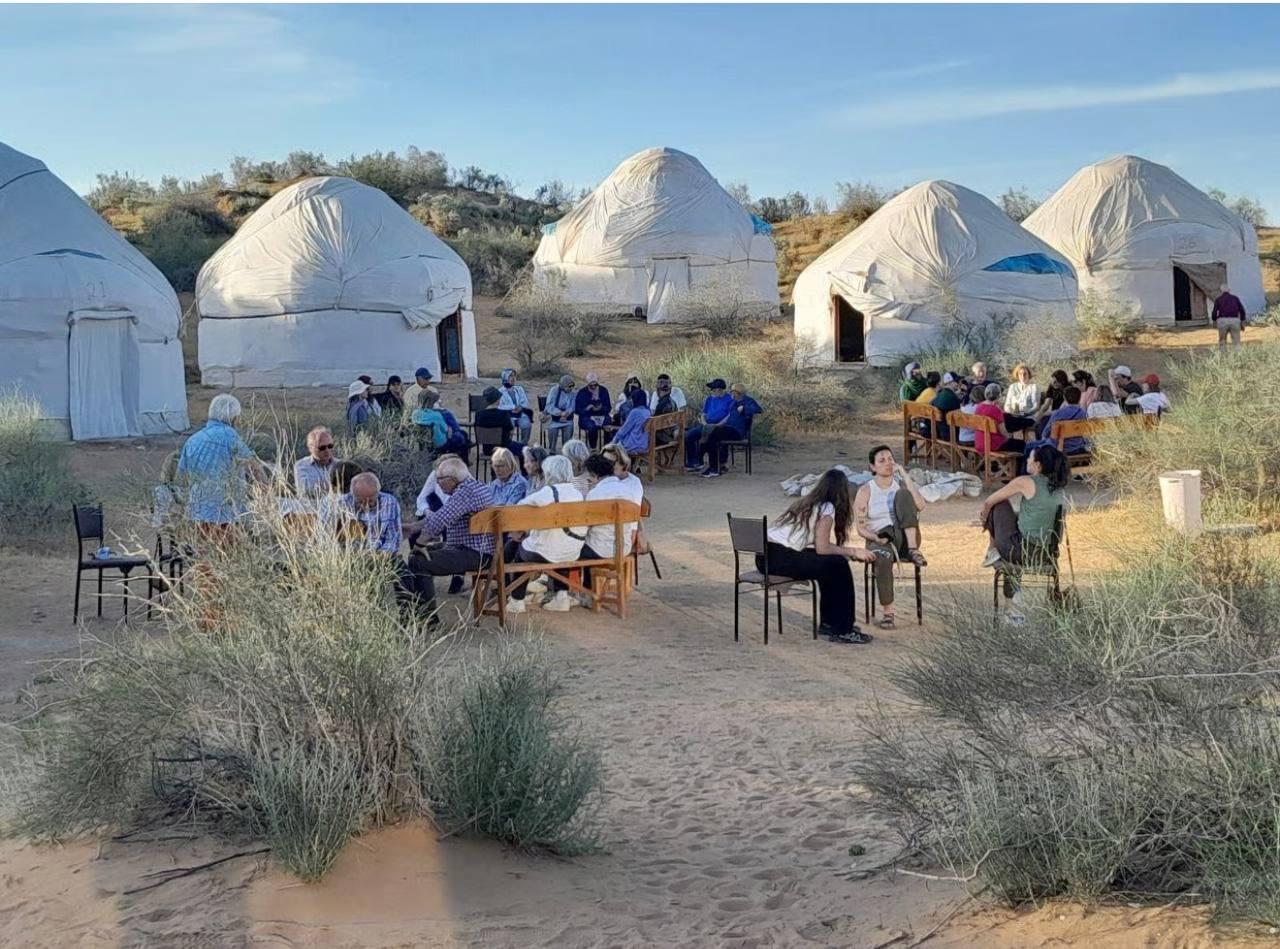
You arrive at the yurt camp mid-afternoon, when heat shimmers above the dunes and the lake stretches flat and turquoise to the eastern horizon. Your guide assigns you a felt-walled yurt; inside, wool carpets cover packed earth, and a low table holds a thermos of green tea and a plate of dried apricots.
You drop your pack and step back into the light.
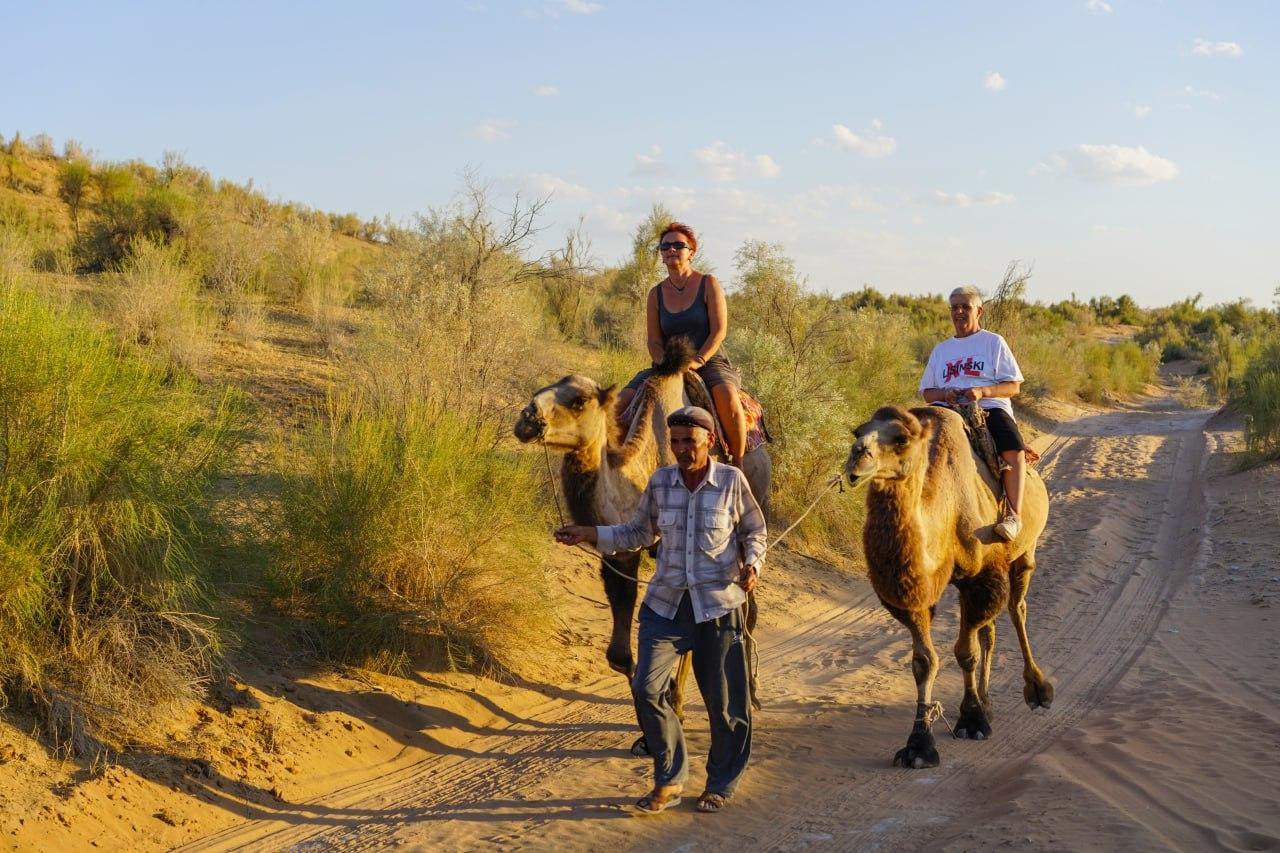
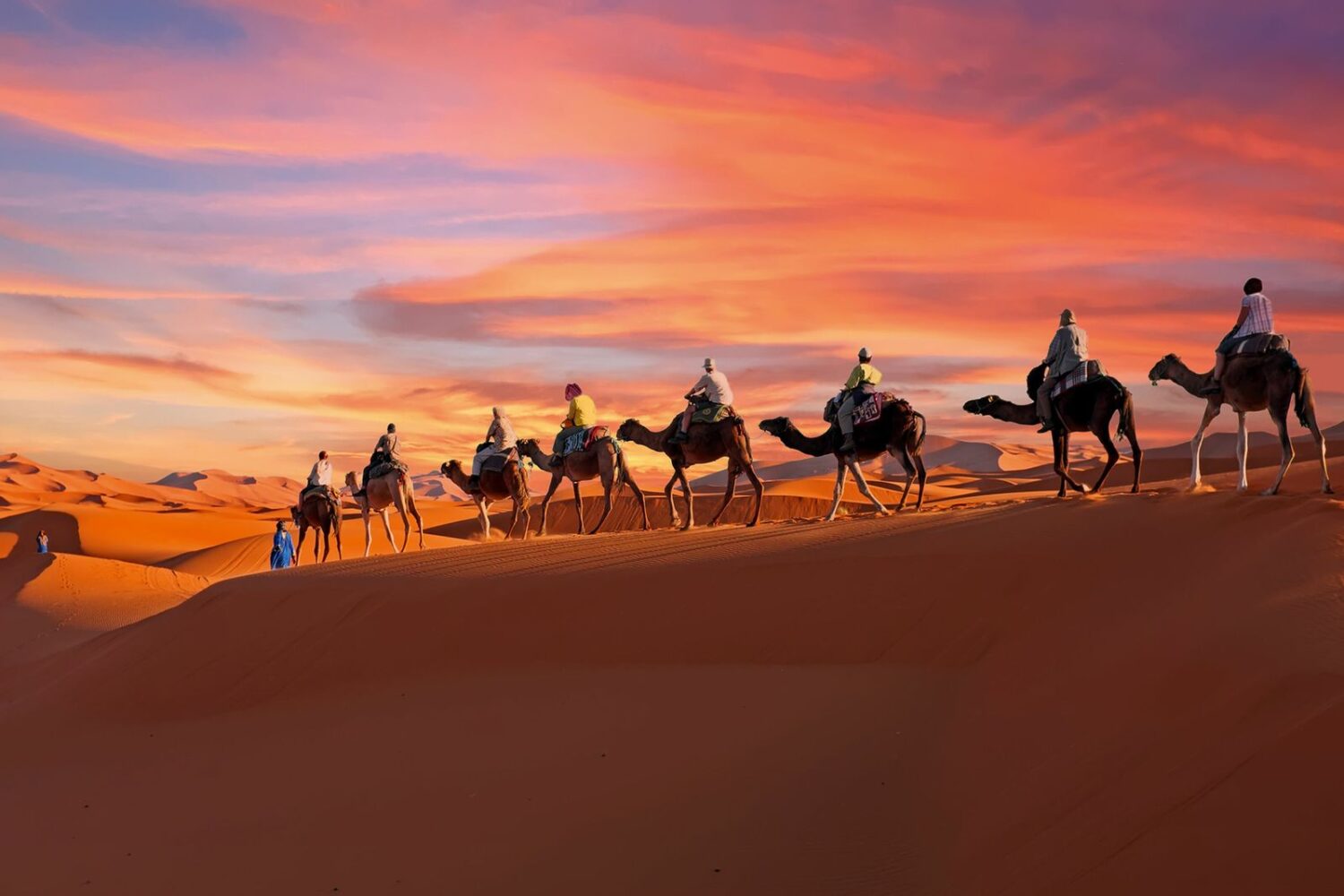
At four o'clock a handler leads a line of Bactrian camels from the corral. You mount and ride west into the Kyzylkum, the saddle swaying with each stride, the sand rippling in long windward ridges. The trek lasts forty minutes, ending at a dune crest where you dismount and watch the sun descend behind saxaul scrub. By the time you return to camp, smoke rises from the cookfire and the smell of lagman and grilled mutton drifts across the clearing.
Dinner is communal: you sit cross-legged on cushions inside a larger guest yurt, sharing platters with other travelers. Afterward, if the night is clear, someone tunes a dutar and the camp manager explains the constellations that guided nomad herders before GPS. You sleep to the sound of wind pressing against felt walls, and wake before dawn to watch pelicans lift from the reeds in formation.
All the details about your upcoming adventure in one place
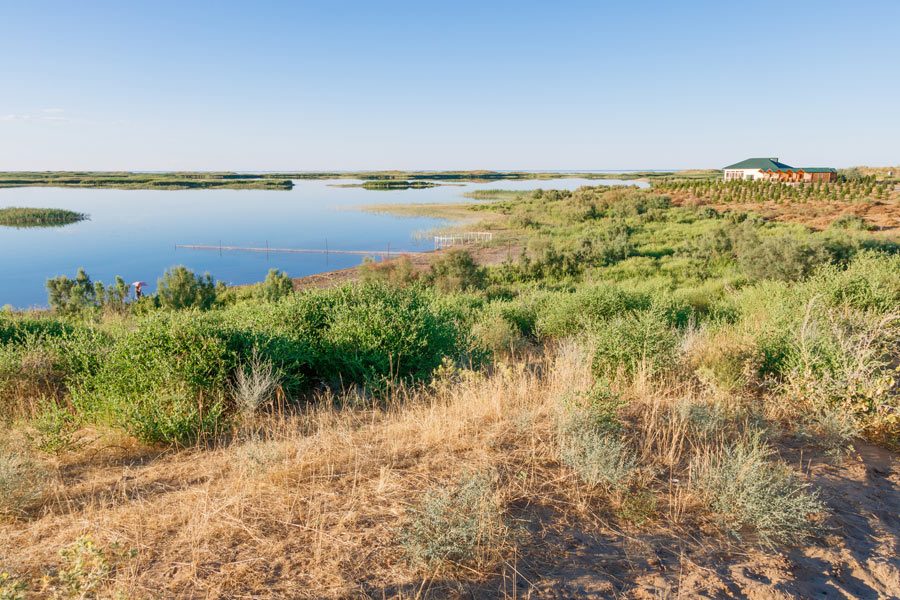
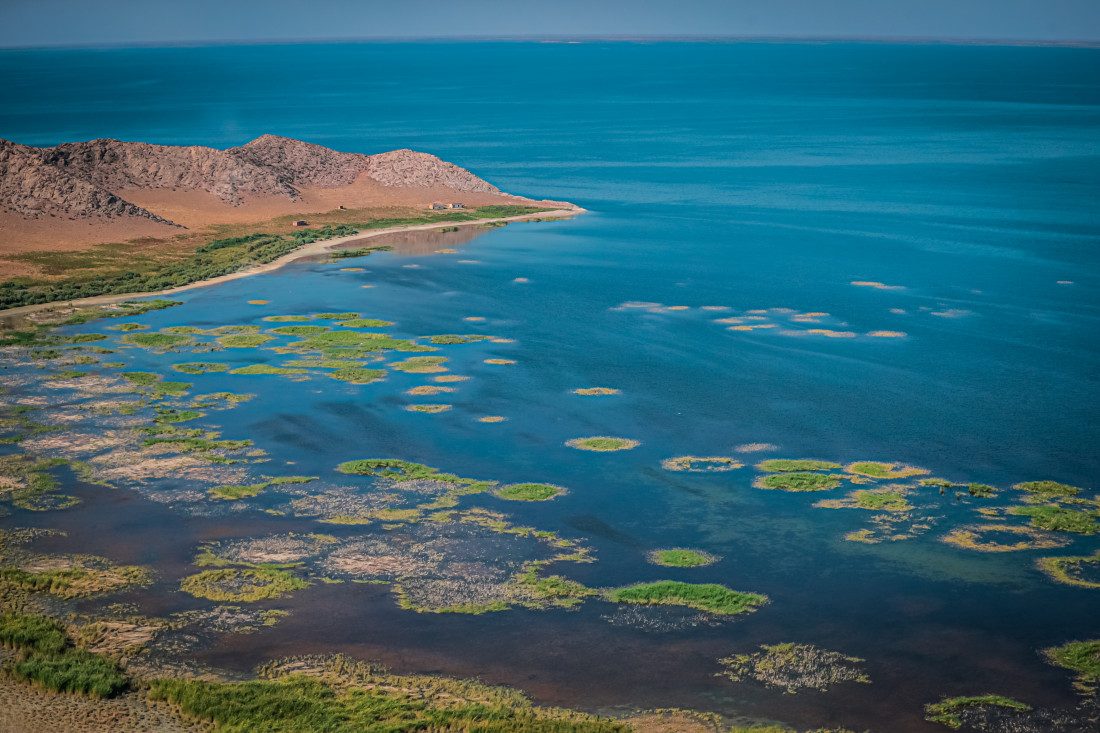
Aydarkul Lake occupies a shallow depression in the Kyzylkum Desert, born not from tectonic upheaval but from a Soviet-era irrigation miscalculation in the 1960s.
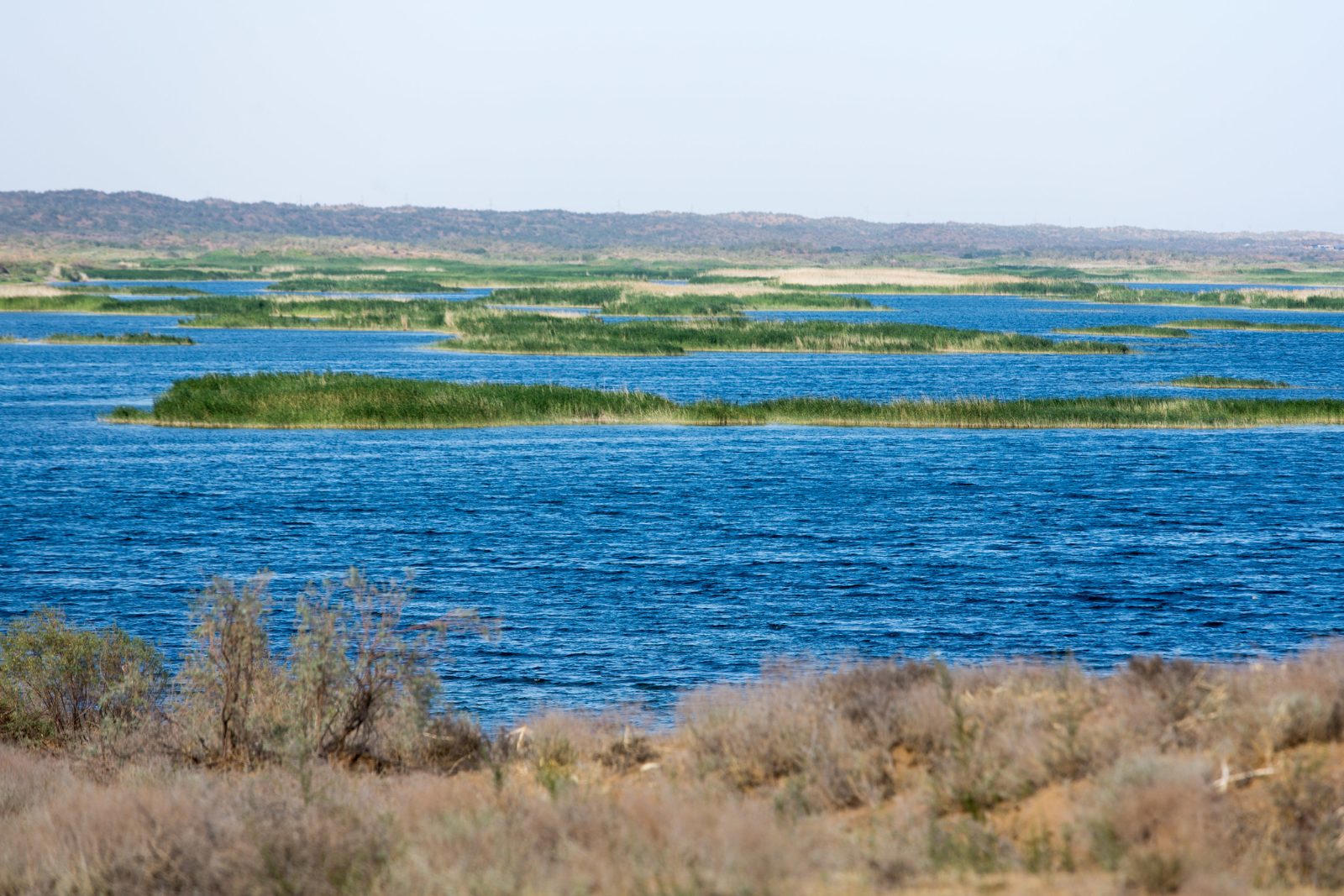
Engineers diverted Syr Darya waters to cotton fields across Jizzakh and Navoi regions; surplus runoff pooled in the Arnasay Basin, creating a 3,000-square-kilometer reservoir that shifts with seasonal inflow. The lake's western shore edges against wind-sculpted dunes, its eastern margin dissolves into salt marsh and saxaul thicket. Fishermen from Farish and Nurata districts now harvest carp and catfish from waters that, six decades ago, were dry gravel plain.
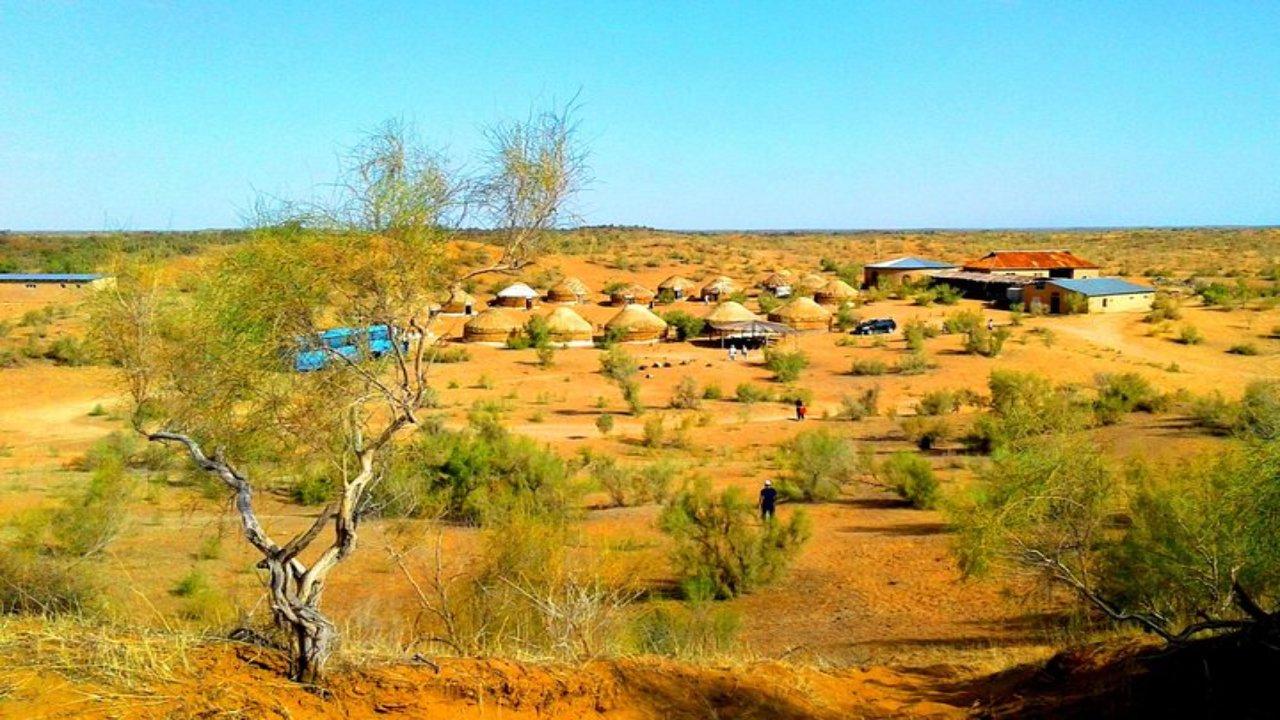
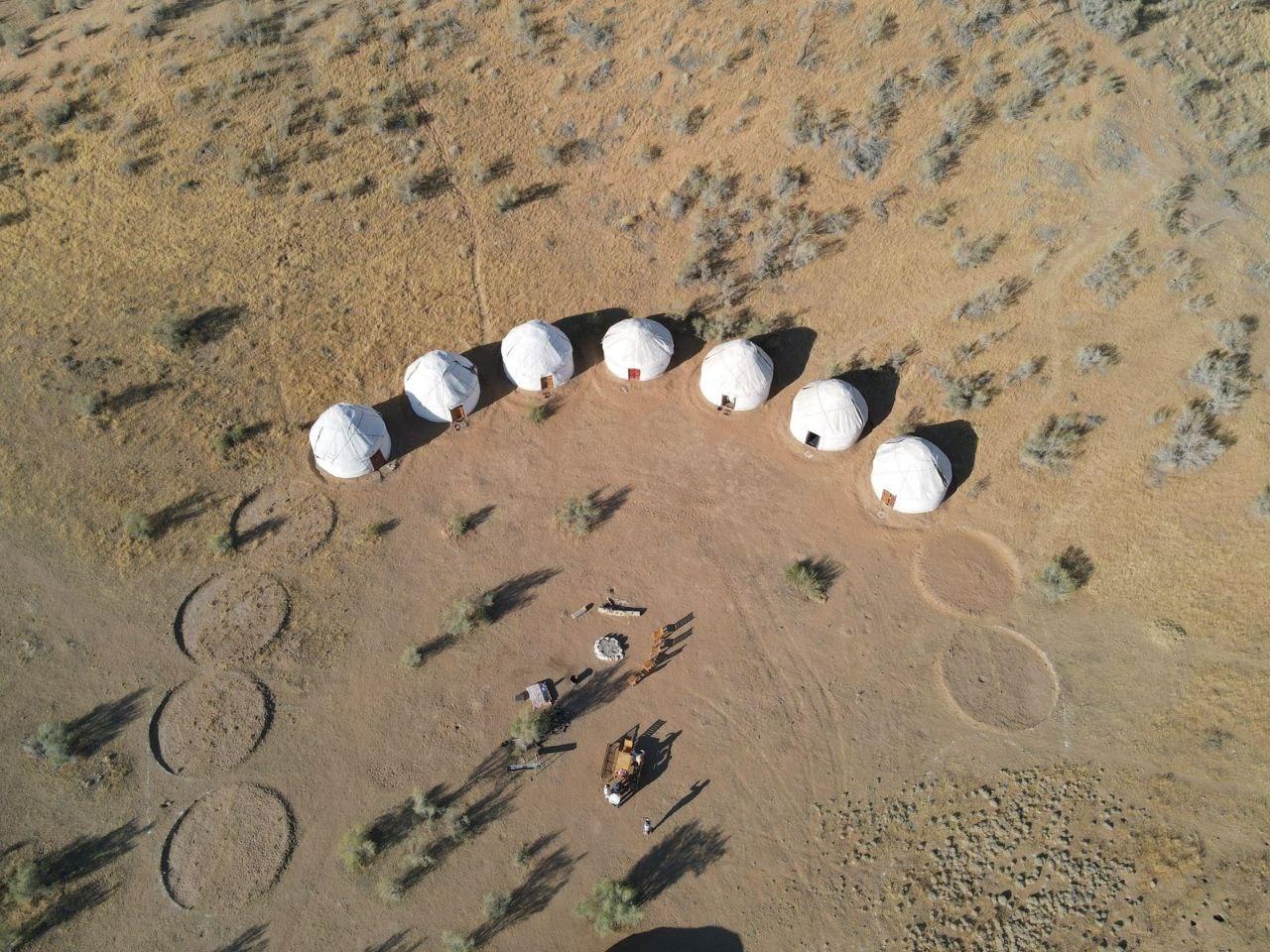
Today the lake anchors a niche sector of Uzbekistan's inland tourism, prized for its proximity to Nurata's ancient springs and its role as a staging ground for Kyzylkum camel treks. Most Aydarkul Lake tours follow a two-day arc: a morning departure from Samarkand or Bukhara, a four-hour drive north through steppe grassland, then an overnight stay in a traditional yurt camp pitched within sight of the water. The yurts themselves—felt-walled, lattice-framed structures borrowed from Kazakh pastoral tradition—are furnished with low tables, woollen rugs, and wood-burning stoves. Tour operators cluster their camps along the southwestern shore, where the dunes provide natural windbreaks and the afternoon light strikes the water at an oblique angle.
The lake's ecological value lies in its function as a stopover for migratory waterfowl. Spring and autumn bring waves of pelicans, cormorants, and grey herons; the reedy margins shelter breeding populations of marsh harriers and black-winged stilts. Ornithologists note the site's importance as a refuge in an otherwise arid corridor, though agricultural runoff periodically clouds the shallows. The surrounding Kyzylkum—Uzbekistan's largest desert, stretching 300,000 square kilometers between the Amu Darya and Syr Darya—supports sparse scrub vegetation and isolated saxaul groves. Bactrian camels, once wild across Central Asia, now serve tourism and transport roles; most Aydarkul Lake tour packages include a short camel ride across dune crests at sunset, a choreographed nod to Silk Road-era caravan routes that skirted this basin centuries before the reservoir existed.

The lake's western shore edges against wind-sculpted dunes, its eastern margin dissolves into salt marsh and saxaul thicket.
Dress in light, breathable fabrics to manage desert heat, but keep shoulders and knees covered if visiting local villages nearby. Sturdy footwear is essential for walking on soft, shifting sands during your aydarkul lake tour.
No formal security checkpoints exist at the lakeshore. Travelers on an aydarkul lake tour should keep personal belongings secure inside vehicles or designated yurt camp storage areas.
Photography of the desert landscape and birdlife is encouraged throughout your aydarkul lake tour. Respect the privacy of local residents and nomadic communities if capturing portraits in nearby settlements.
The lake is a popular spot for families, though facilities like changing rooms and toilets are basic. Plan your aydarkul lake tour with sufficient snacks and water for children, as amenities are limited.
The natural sandy terrain and remote location present challenges for wheelchair users. Most areas of the lake remain unpaved and primitive, so guests should plan their aydarkul lake tour with this natural accessibility level in mind.
Pack plenty of bottled water and snacks for your aydarkul lake tour, as no permanent restaurants exist directly on the beach. Most organized trips include traditional meals like plov or shurpa at nearby yurt camps.
Best arrival window
09:00–17:00
Address
Nurata District, Navoi Region / Farish District, Jizzakh Region, Uzbekistan
Site Terrain
Natural desert landscape with sandy shores
Peak Hours
Avoid midday heat; best light in morning
Storage
Not available; travel light
Navigation
Remote area; offline maps recommended
Bookings for any aydarkul lake tour typically allow cancellations up to 24-48 hours before departure for a full refund. As there is 0 UZS entrance fee for accessing the lake shore, there are no refunds applicable to site access.
Recommended time
4-6 hours
Most visitors allocate half a day for their aydarkul lake tour to enjoy the expansive shoreline and calm desert surroundings. You should plan for additional time if you intend to visit nearby yurt camps, as these provide deeper immersion into the local culture and salt-lake landscape. While there are no aydarkul lake tour tickets required to access the water, arriving early helps you avoid peak midday heat and the larger groups that arrive during the afternoon. Since this destination offers free entry, you will find that aydarkul lake tour tours typically focus on flexibility and relaxation by the water.
Crowd levels through the day
Aydarkul Lake owes its existence to a catastrophic failure in Soviet water management. In May 1969, record snowmelt in the Tian Shan mountains overwhelmed the Chardara Reservoir on the Syr Darya River, forcing engineers to open emergency spillways to prevent a dam collapse. Floodwaters surged westward into the Arnasay Depression, a natural basin in the Kyzylkum Desert that had remained dry for centuries. Within weeks, the depression transformed into a vast shallow lake covering more than 3,000 square kilometers. Soviet planners had not anticipated the volume of discharge, and the Arnasay system became an unintended permanent water body. The Aydarkul Lake tour industry emerged decades later, leveraging this accidental reservoir. Initial assessments treated the flood as a temporary problem. Engineers assumed the water would evaporate or drain naturally, allowing the basin to return to desert. Instead, continued irrigation runoff from cotton fields in the Hungry Steppe and periodic Syr Darya diversions maintained the lake's level. By the mid-1970s, hydrologists recognized that Aydarkul had become a stable feature. The Uzbek government began stocking fish species, including carp and pike-perch, to create a commercial fishery. Local herders adapted grazing routes, and the shoreline developed into a stopover for migratory birds, including pelicans and flamingos. The lake's salinity fluctuated with inflow patterns, creating ecological challenges for aquatic life. Tourism infrastructure arrived slowly. In the 1990s, after independence, yurt camps appeared near the southern shore, catering to Uzbek and Kazakh visitors seeking weekend escapes. By the 2010s, international tour operators began including Aydarkul Lake tours in multi-day circuits linking Bukhara, Samarkand, and the Nurata Mountains. Operators marketed the site as a desert oasis experience, emphasizing camel treks, overnight yurt stays, and birdwatching. The lake's water level has dropped approximately 40 percent since its peak in the 1980s, a result of reduced agricultural runoff and climate-driven evaporation. Shoreline retreat has exposed salt flats and altered access points, forcing tour operators to adjust routes. Despite its shrinking footprint, Aydarkul remains a key stop on Silk Road tour tickets itineraries, valued for its stark contrast to Uzbekistan's arid interior.
Stand on the edge of the receding water where the white salt crust meets the deep blue reservoir to capture the sharp color division. This spot offers a stark minimalist composition of the Kyzylkum desert landscape.;Golden hour;Aydarkul Lake salt flats
Located near the nomadic yurt camps, these sand ridges provide an elevated vantage point to photograph the vast expanse of the water against the rolling dunes. During an aydarkul lake tour, this is the prime location for capturing the golden ripples of the desert sand.;Before 09:00;Aydarkul Lake sand dunes
Position your camera at the periphery of the camp to frame the traditional felt structures with the vast lake water in the background. This perspective highlights the integration of nomadic culture with the remote nature of the region.;Mid-morning;Aydarkul Lake yurt camp
Walk along the southern edges where tall aquatic vegetation grows near the shore, providing a natural frame for shots of waterfowl or the distant horizon. This area requires careful footing but offers unique textures for your aydarkul lake tour tour.;Late afternoon;Aydarkul Lake reeds
An aydarkul lake tour offers families a remote escape into the Kyzylkum desert, where the vast turquoise water meets golden dunes. This destination provides a rare chance to disconnect, stay in traditional yurt camps, and observe native wildlife in a serene environment.
The sandy, uneven terrain near the shore makes strollers impractical; plan to use a baby carrier for younger children when exploring the area.
Infrastructure is limited with no official ticket office, so ensure you have sufficient water, sunscreen, and wipes, as modern baby-change amenities are rarely found outside of established yurt camps.
The destination is well-suited for school-aged children and teenagers who can appreciate the novelty of a yurt stay, camel riding, and spotting birds, though the remote location requires careful preparation for all ages.
Plan your arrival within the 09:00–17:00 window to enjoy the best light and moderate temperatures before the intense midday heat, keeping travel days short to account for the desert drive.
Most local aydarkul lake tour packages include traditional meals like plov cooked over open flames, but it is wise to bring preferred snacks and hydration to supplement these desert-style dining experiences.
Outdoor activities are the primary focus of an aydarkul lake tour, so it is recommended to check weather forecasts in advance, as the desert landscape provides little cover during inclement weather.
Dining options near aydarkul lake tour are limited due to the remote desert environment, making organized yurt camp meals the standard approach for visitors. Planning your meals through authorized aydarkul lake tour tours is essential, as there are no traditional restaurants directly on the shoreline.
$15-25 per meal for non-guests. These communal camps serve traditional Uzbek dishes like plov, shurpa, and fresh flatbread cooked in clay ovens. Reservations are required for walk-ins seeking this authentic nomadic experience during aydarkul lake tour tour visits.
$20-30. This established facility provides structured meal service for travelers who have booked their aydarkul lake tour tickets in advance. The menu emphasizes seasonal vegetables and local meats, providing a reliable dining solution far from urban centers.
Everything you need to know for your journey
There is 0 UZS entrance fee for accessing the lake shore. Any cost is associated only with your chosen aydarkul lake tour transport or camp stay.
The lake itself is open 24/7, but it is recommended to visit between 09:00–17:00 for the best light and cooler temperatures. Official support services often operate Mon-Fri 09:00–18:00.
The best window is during spring (April–May) or autumn (September–October) to avoid extreme heat. Avoid booking an aydarkul lake tour in July and August if you are sensitive to high temperatures.
Facilities are very limited; most tourists use the amenities provided at nearby yurt camps. There is no official public infrastructure at the lake shore during your aydarkul lake tour.
Yes, swimming is allowed in the brackish water. Ensure you stay within safe, designated areas during your aydarkul lake tour.
Pack high-SPF sunscreen, a hat, and plenty of water. It is also wise to bring a light jacket for the cool desert nights following your aydarkul lake tour.
Yes, it is a memorable experience for children, though be prepared for remote, rustic conditions. Always supervise children near the water during an aydarkul lake tour.
Travel time is approximately 4-5 hours by car from Samarkand or Bukhara. It is recommended to arrange private transport for your aydarkul lake tour.
Yes, the lake is a habitat for various bird species, including pelicans and eagles. Keep your camera ready throughout your aydarkul lake tour.
Join thousands of happy travelers who have discovered this incredible experience
Book Your Experience Now